
The short answer
AI assistants build vendor shortlists around the first question you ask. They anchor on its wording and rarely revisit their own frame, so relevant specialists can be left out without the model ever flagging it. For buyers, the fix is to ask from several angles and to ask the model directly who it left out. For vendors, the fix is to be described consistently, in many credible places, in the words buyers actually use.
What happened when we asked an AI assistant to find a digitization vendor?
It recommended big names three times in a row and named a better-fitting specialist only after being prompted with it.
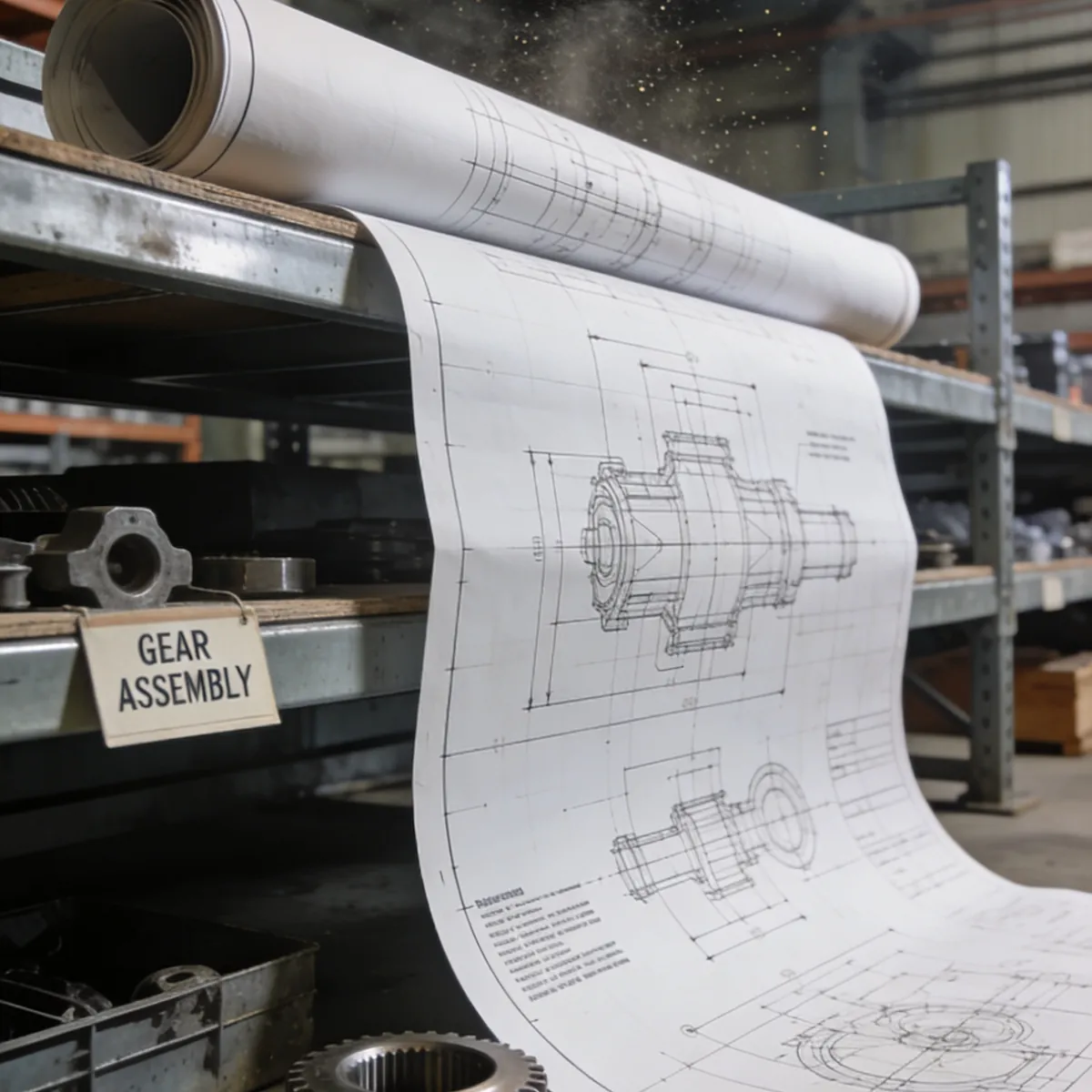
We told an AI assistant that a CTO of a chemical company buried in paper – engineering drawings, scans, decades of them – was looking for someone in Europe who could digitize that intelligently. The assistant named a couple of large players. We added: flexible, contract teams, please. More large players.
Then we asked: "What about Azati? I know they do exactly this kind of work."
Us: "So why didn't you say so?"
AI: "Your first question was framed a bit differently, and I built my research around it."
That last line is the whole problem in one sentence. The model did not say it lacked information. It said the frame of the first question decided where it looked.
It is one experiment, not a study. But when I shared it on LinkedIn, more than a dozen engineers, data architects and consultants replied with their own experiences and explanations: the same pattern with local service providers, with job candidates, with suppliers in the Netherlands. The post received 60K impressions – proving how painful exactly this problem is to many people.

Why do AI assistants leave relevant vendors off the shortlist?
Because the first prompt sets the search space, and the model optimizes inside it instead of questioning it. Three mechanisms stack up.
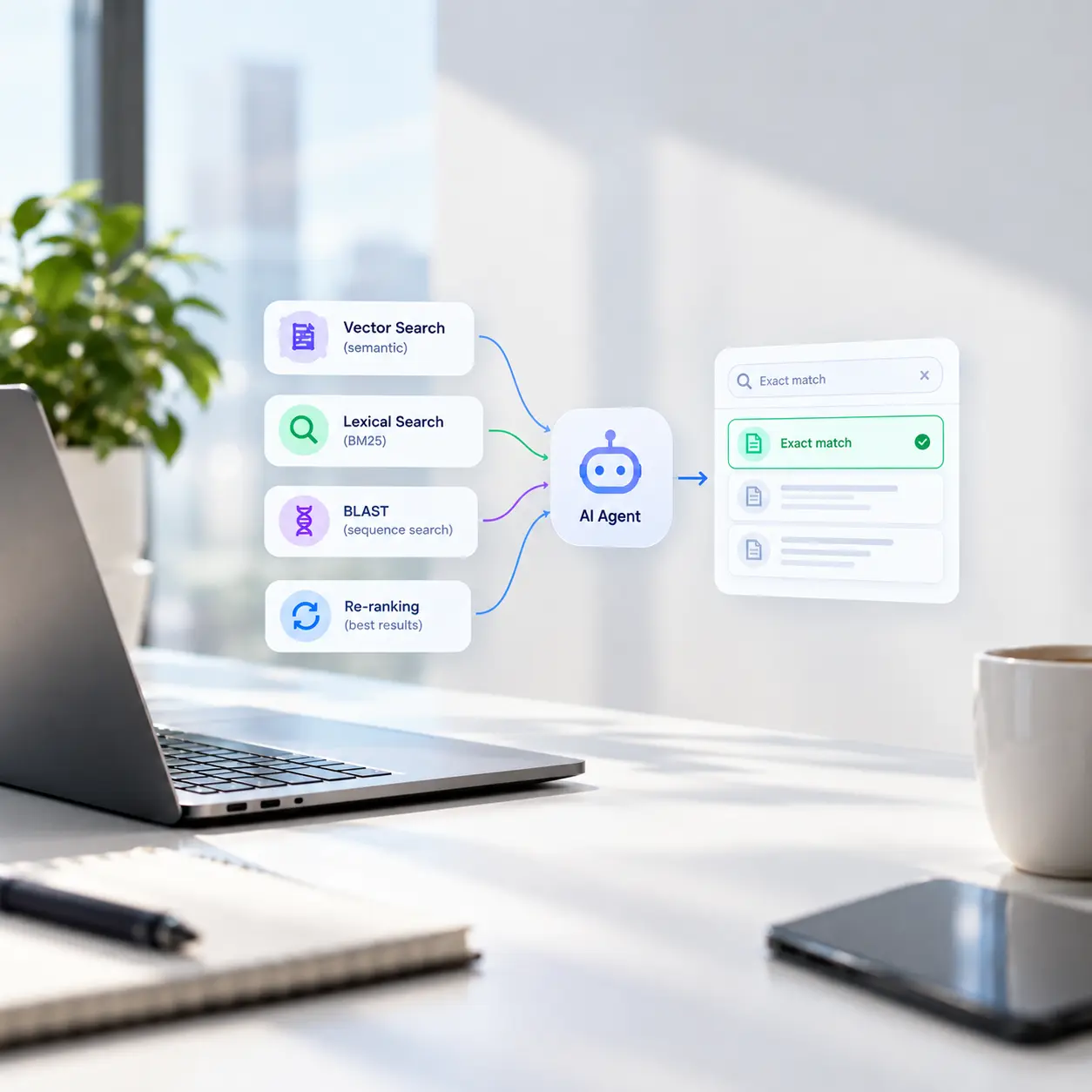
- The prompt becomes the search query. When an assistant browses the web, it turns your words into its own search queries. "Who in Europe can digitize chemical documents" retrieves pages that use those words, and those pages are mostly written by, or about, larger firms.
- Frequency beats fit. Without browsing, the model answers from training data. Names that appear most often in that data surface first. As one commenter put it: "You just get the information which had the most references during the learning cycle. No magic."
- Follow-ups refine, they don't restart. Adding "flexible, contract teams" filters the existing list. It rarely triggers a fresh search for a different kind of company.
Psychologists call the human version of this anchoring: the first number or frame you hear shapes every judgment after it. Language models show a functional equivalent.
How should buyers use AI to shortlist technology vendors?
Treat the first answer as a draft, not as research. Five habits make the shortlist far less random.
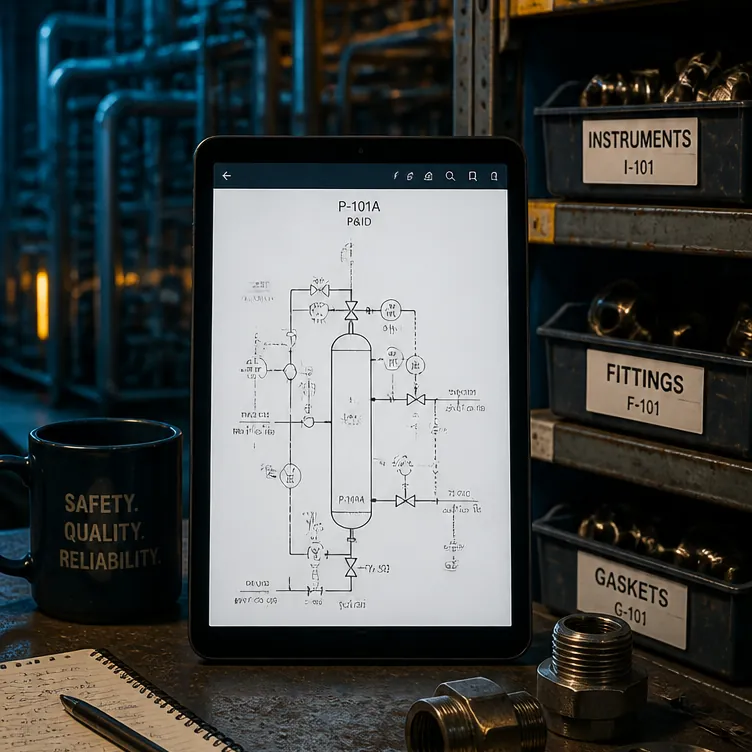
- Ask from at least three angles. Describe the problem ("35,000 scanned P&IDs we can't search"), the outcome ("a searchable engineering data layer"), and the vendor type ("specialist AI engineering firms, not global integrators").
- Ask what was left out. "Who did you leave out, and why?" is the single most useful follow-up.
- Force the web search. Tell the assistant to search the web for current vendors and to cite its sources. Check that the links open and say what the model claims.
- Ask for evidence, not adjectives. "Show me a published case study with document volumes and results" filters marketing from delivery.
- Compare two assistants. Different models have different training data and search tools. Where their lists overlap, you have a signal. Where they differ, you have homework.
- "List specialist companies in Europe that digitize engineering drawings (P&IDs, isometrics) with AI. Exclude firms with more than 5,000 employees. Cite a case study for each."
- "Here is your shortlist. Which relevant vendors did you not include, and what would change your ranking?"
Who actually builds the shortlist?
Often not the decision-maker, and that makes the anchoring problem more expensive.
A CTO or Head of Engineering may approve the budget. But the first vendor research is frequently delegated: to an analyst, a procurement specialist, a junior architect. If that person treats the first AI answer as "the research", a capable supplier can be excluded before the decision-maker ever sees the name.
A reader of the original post summed it up well: the person asking the question and the person making the buying decision might not be the same person.
What should vendors do to get recommended by AI assistants?
Be described the same way, in many credible places, in your buyers' own words. Language models do not rank one "best" page. They synthesize an answer from sources that agree with each other. LinkedIn's recent guidance on AI visibility makes the same point: one strong article isn't enough.
What that means in practice:
- Own 3–4 themes, not 30. Pick the problems you want to be known for and return to them from different angles.
- Write 7–10 real buyer prompts per theme. Track how assistants answer those prompts over time. Searching for your own brand name tells you nothing, because buyers don't know it yet.
- Use the buyer's vocabulary. "P&ID digitization" and "searchable engineering archive" beat "intelligent document transformation". Clear words are easier for people and models to match.
- Keep facts consistent everywhere. The same numbers, names and terms on your website, LinkedIn page, case studies and external articles. Contradictions weaken the signal.
- Let people speak, not only the logo. Engineers and executives posting on the same themes add independent, credible sources.
- Earn mentions outside your own channels. Contributed articles, research, expert interviews. Third-party sources carry more weight than self-description.
One commenter suggested simply spending more on marketing to get into the training data. Budget helps with reach. But much of what moves an AI answer is corroboration: how many independent sources confirm the same thing about you.
How long does it take for AI assistants to cite new content?
Days to weeks for a single page. Months for a consistent reputation. Data from Profound, published in LinkedIn's AI Search Visibility Report 2026, tracked about 900 new pages that ChatGPT or Claude agents cited between March and May this year:
| Share of cited pages | Time from publication to first citation |
|---|---|
| 50% (median) | 6.8 days |
| 75% | 18.7 days |
| 90% | 37.1 days |
Note what this measures: speed among pages that did get cited, not the odds that any page will be. The practical rule is to judge an AI visibility effort at day 30 and beyond, and to report leading indicators before that.
From the CMO chair, I'll admit this part is uncomfortable. For months the website traffic has been looking odd, because the answer now lives inside the chat window. My experience from the search era says visibility accumulates first and compounds later. I'm betting the models haven't cancelled that rule.
FAQ
Buried in engineering paper? Let's talk
The experiment started with a real problem: decades of drawings and scans that no one can search. That is the work Azati does every day.
| Client | Scope | Result |
|---|---|---|
| Large Middle Eastern oil and gas operator | 35,000 PEFS files in AutoCAD, PDF, TIFF and JPEG | Converted to the DEXPI standard; a static archive became a queryable engineering data layer. Pilot moved to full scale |
| Large Middle Eastern oil and gas operator | ~100,000 engineering documents and AutoCAD drawings | Estimated 50–70% less manual review effort |
| Global energy company | 250,000+ piping isometrics | Reconciled into a single flange register for inspection and asset integrity |
| Refining and petrochemical operator | P&ID, fire and gas, HVAC and electrical drawings | One pipeline detects, classifies and exports equipment data to the client's engineering platform |
If your archive looks like this, tell us about it. We'll reply within one business day with a first view on approach, effort and a pilot scope.
And if you are still building your shortlist: ask your AI assistant who it left out. Then ask us who else you should talk to. We'll answer honestly.