
Three years ago we ran an experiment on ourselves.
We took our own company — 300+ engineers, 24 years old, 380+ production systems shipped — and built an AI project that sat in the middle of Azati and actually ran things. Not bolted on the side. In the middle.
So we started building it. On ourselves. Sample size: one company. Guinea pig: also us.
I’ll be honest with you, because you’ve run projects too and you’d smell it if I wasn’t: for roughly the first 24 of 30 months, it went sideways. Only the last 6 have pointed the right way. That’s about an 80% wrong-direction rate before it clicked, which, weirdly, is almost the exact industry number. We’ll get there. This is the story of the one mistake that taught us the most, and the machine we built after.
The Day We Accidentally Rebuilt a CRM
The mistake that taught us the most looked exactly like good work.
We needed somewhere to keep our deals. Sales closes a deal; the deal has to live somewhere. Simple. So we asked our developers to build it.
Our developers are good. So they did the thing good developers have done for about 20 years: designed the data, built the tables, made a screen to type deals into, then a few more screens. It all worked.
One problem. They’d built a CRM.
We already had one. There are something like 40 companies selling them. Ours was a perfectly nice CRM. It just wasn’t within a mile of what we asked for.
Here’s the part that kept me up at night — and yes, I did the math at 2am. Zero people did anything wrong. The developers wrote good code. The reviewer approved good code, because he ran the exact same habits they did. Six weeks later we had a lovely CRM nobody wanted, and if you replay all ~30 steps, you cannot find the one where somebody slipped. The error rate was 0%. The outcome was still wrong. That combination, 0% mistakes and 100% wrong answer, is the whole point.
Why Do Most AI Projects Fail?
Most AI projects don’t fail because the model is dumb. They fail because the humans building them still think in old shapes — and you can show it in numbers.
Start with the big one. RAND studied this and found more than 80% of AI projects fail — twice the failure rate of normal, non-AI IT projects. MIT’s 2025 report went harder: 95% of company gen-AI pilots returned zero measurable impact. And S&P Global found 42% of companies scrapped most of their AI in 2025, up from 17% the year before. High, and getting worse.
Now the good part. When RAND and MIT dug into why, the answer wasn’t “the model.” It was people, problem-framing, and workflows — the plumbing and the habits, not the brain. The tools stall because they don’t learn from or adapt to how the company actually works. That’s exactly what broke for us, over and over. We wrote up the field version — why AI pilots die around day 90 — because we kept watching it happen, on ourselves and on clients.
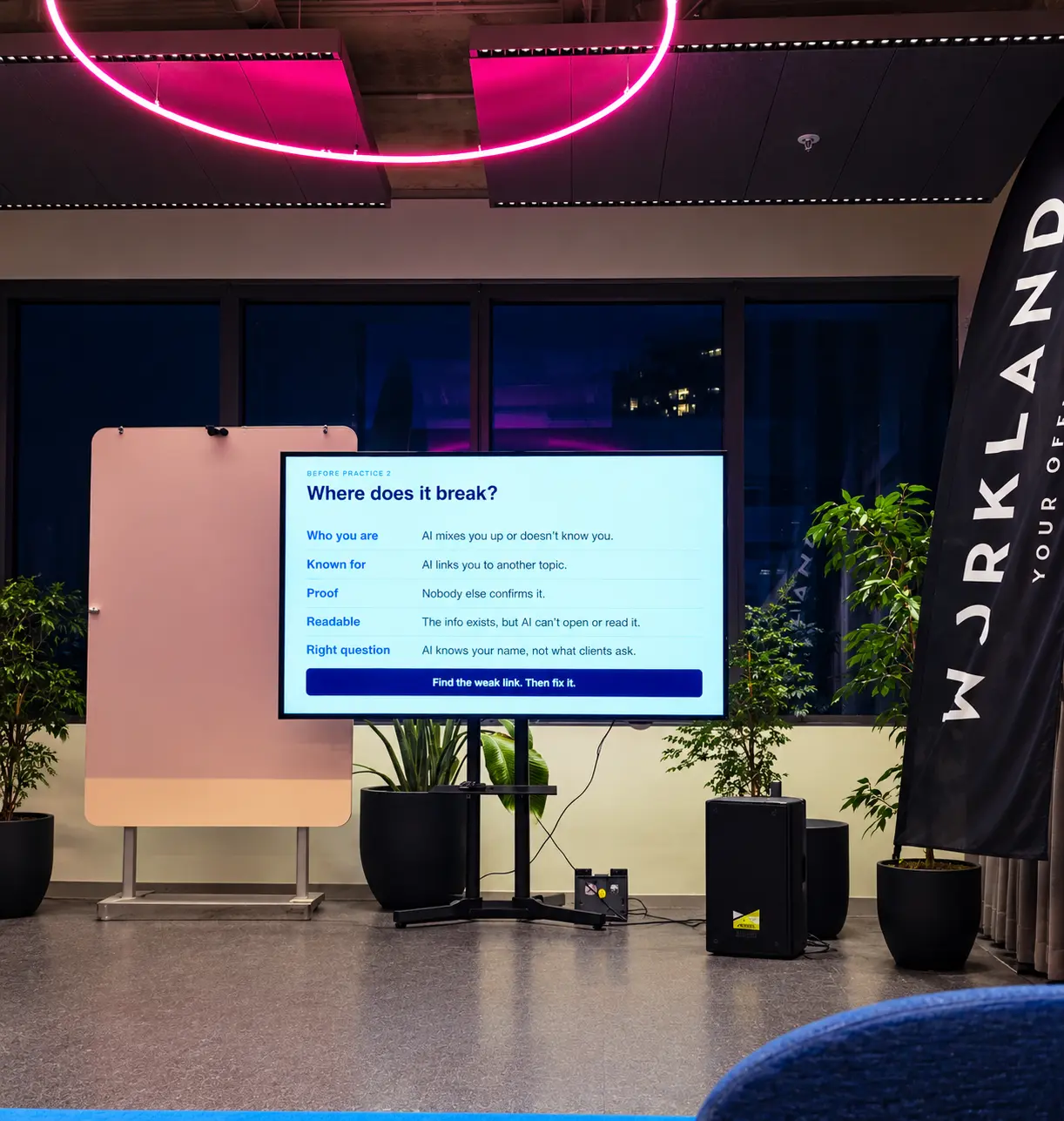
So here’s my favorite number, and it isn’t from a tech company at all. It’s from psychology. Researchers had people log what they did all day, and about 43% of everything a person does is habit — same action, same place, barely any conscious thought (Wood, Quinn & Kashy, 2002). Almost half your day runs on autopilot. Your developers’ day too. My day too. These are good engineers whose whole job is changing — and the autopilot doesn’t know that yet.
And habits don’t reroute on command. When scientists measured how long it takes to build one new habit, the average was 66 days, with a range of 18 to 254 (Lally et al., 2010, UCL). Two hundred and fifty-four days. To change one small thing. Now picture asking 300 people to change how they think about building software, all at once.
That’s the number that made us realize AI is an operating model, not a technology, and that most AI projects fail after launch, not before. Because the old habits are dangerous precisely because they work. Nobody ships something broken. They ship something good that solves the wrong problem, and it sails through review because the reviewer is running the same 43%-autopilot as everyone else.
What Is an AI Harness?
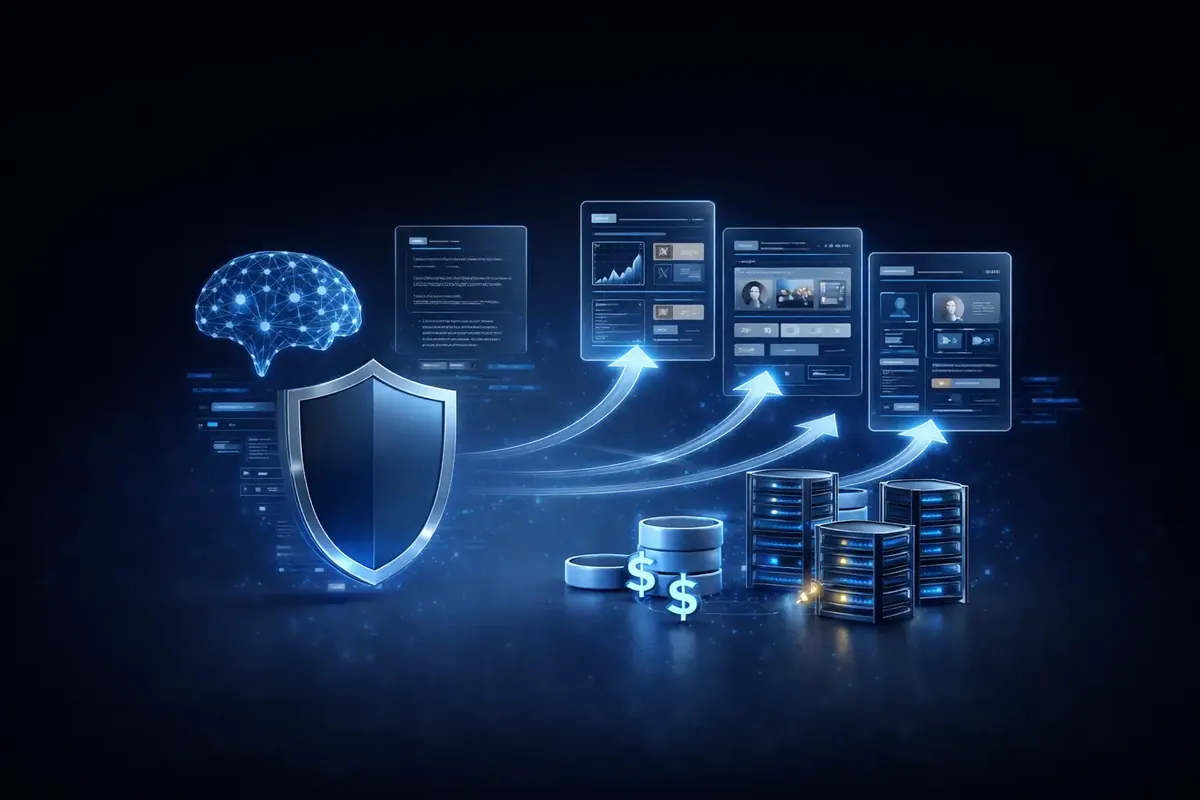
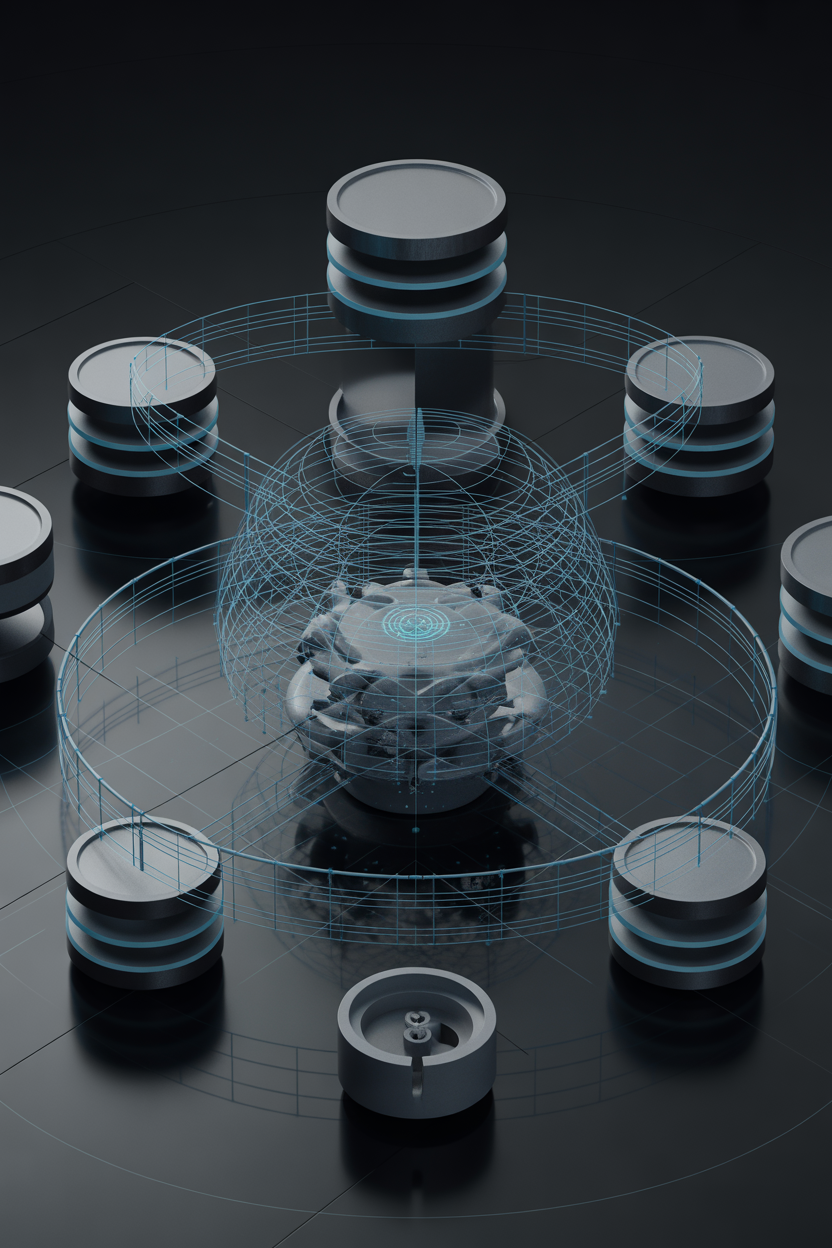
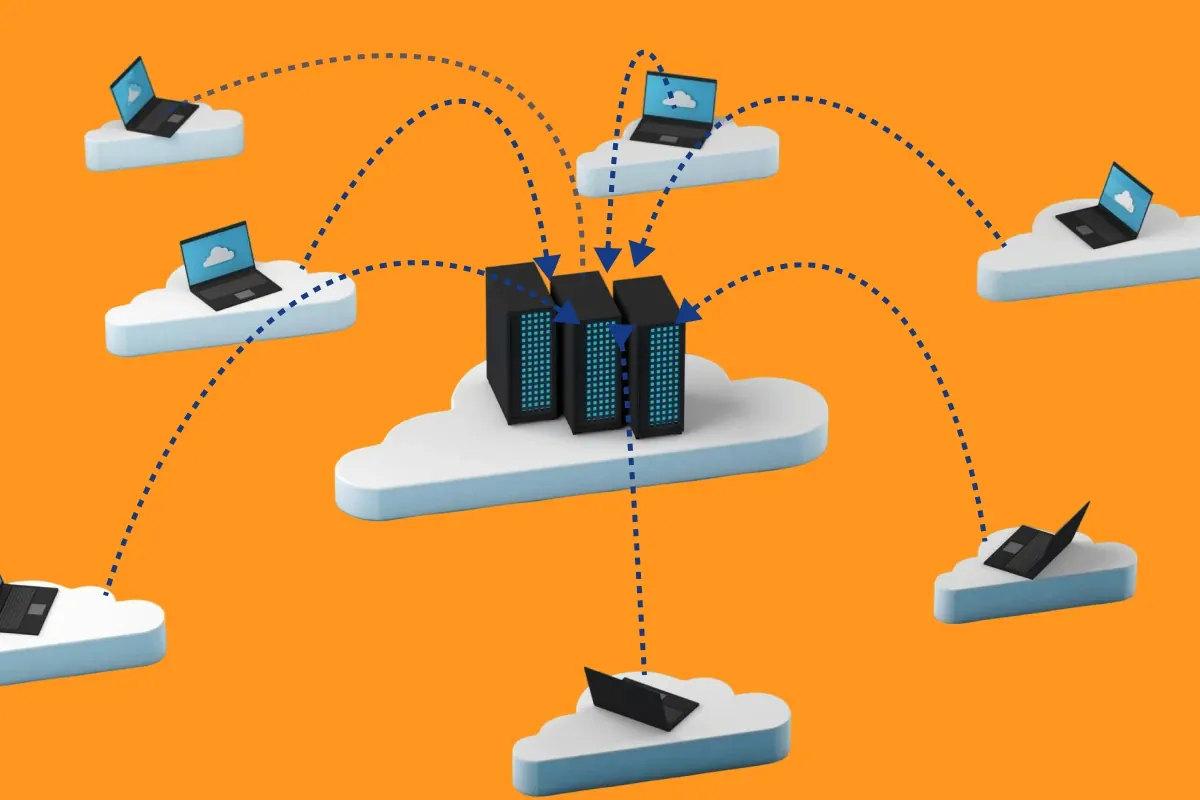
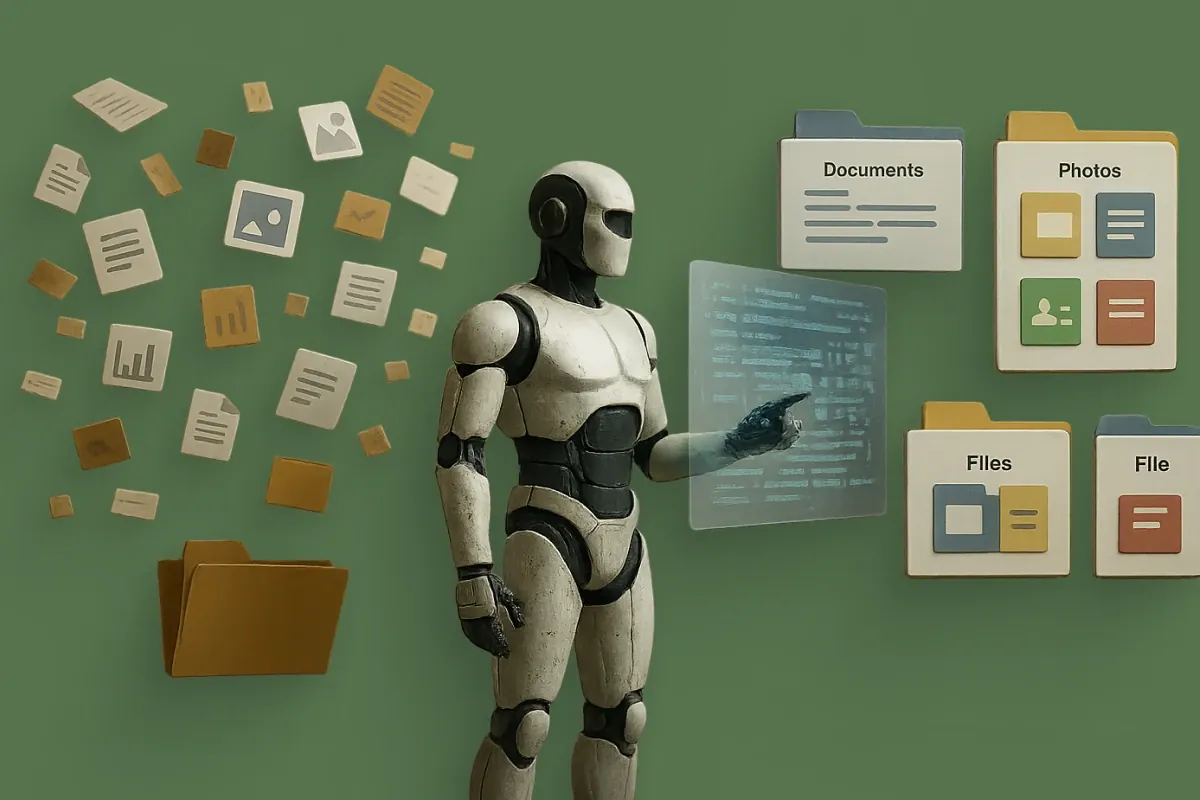
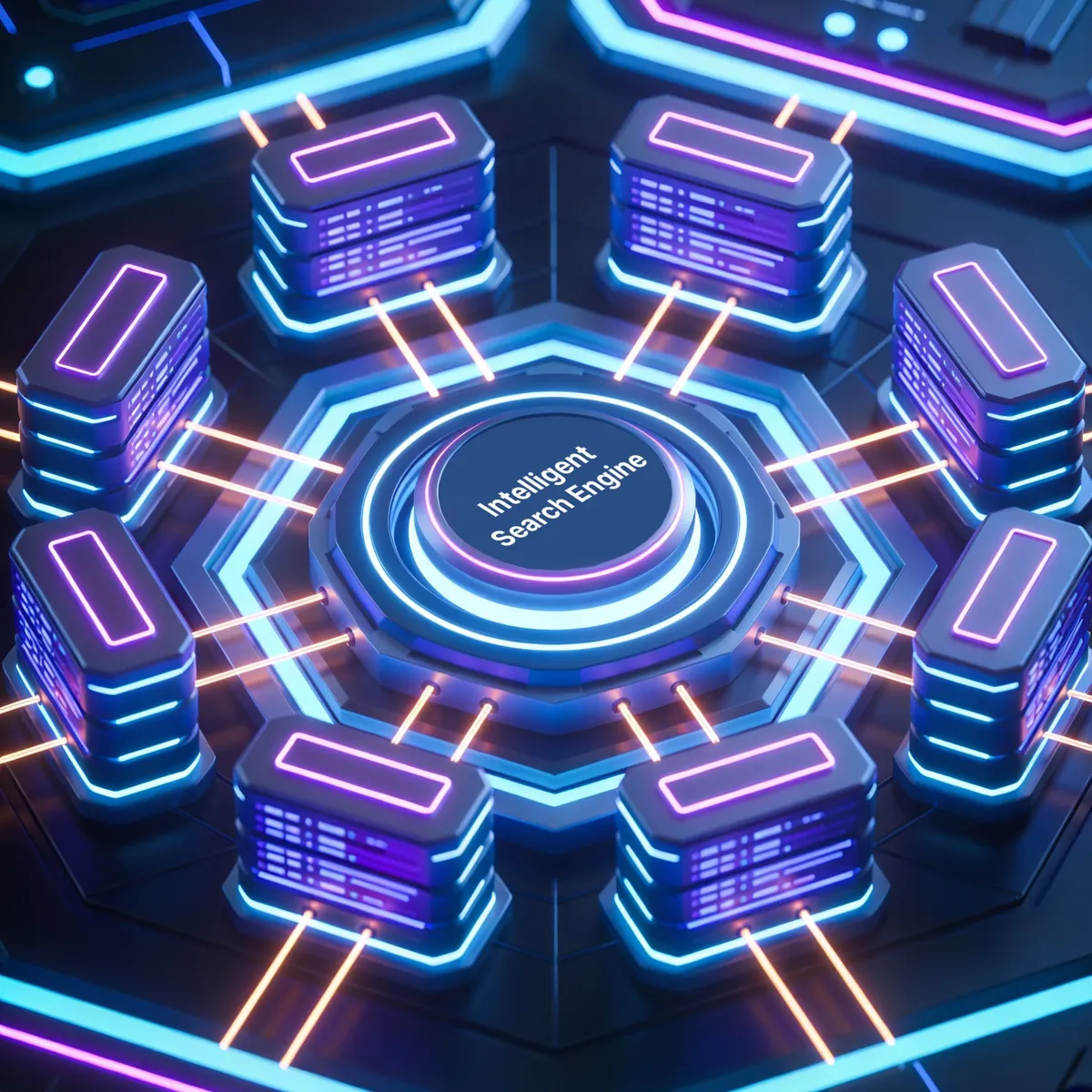
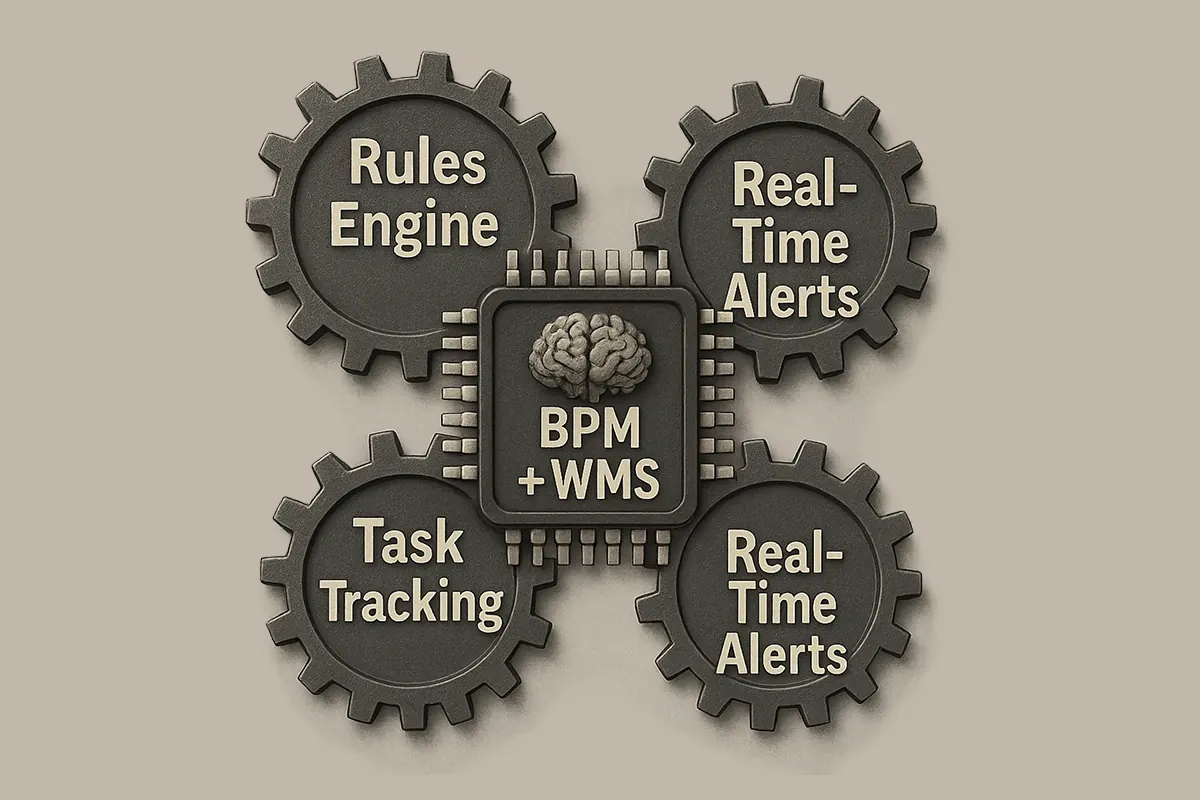
An AI harness is one smart layer that sits on top of all your existing systems and does the actual thinking — while your old tools become the place the facts are stored.
So we stopped trying to replace everything. Here’s the idea we landed on, and it’s simple enough to draw on a napkin.
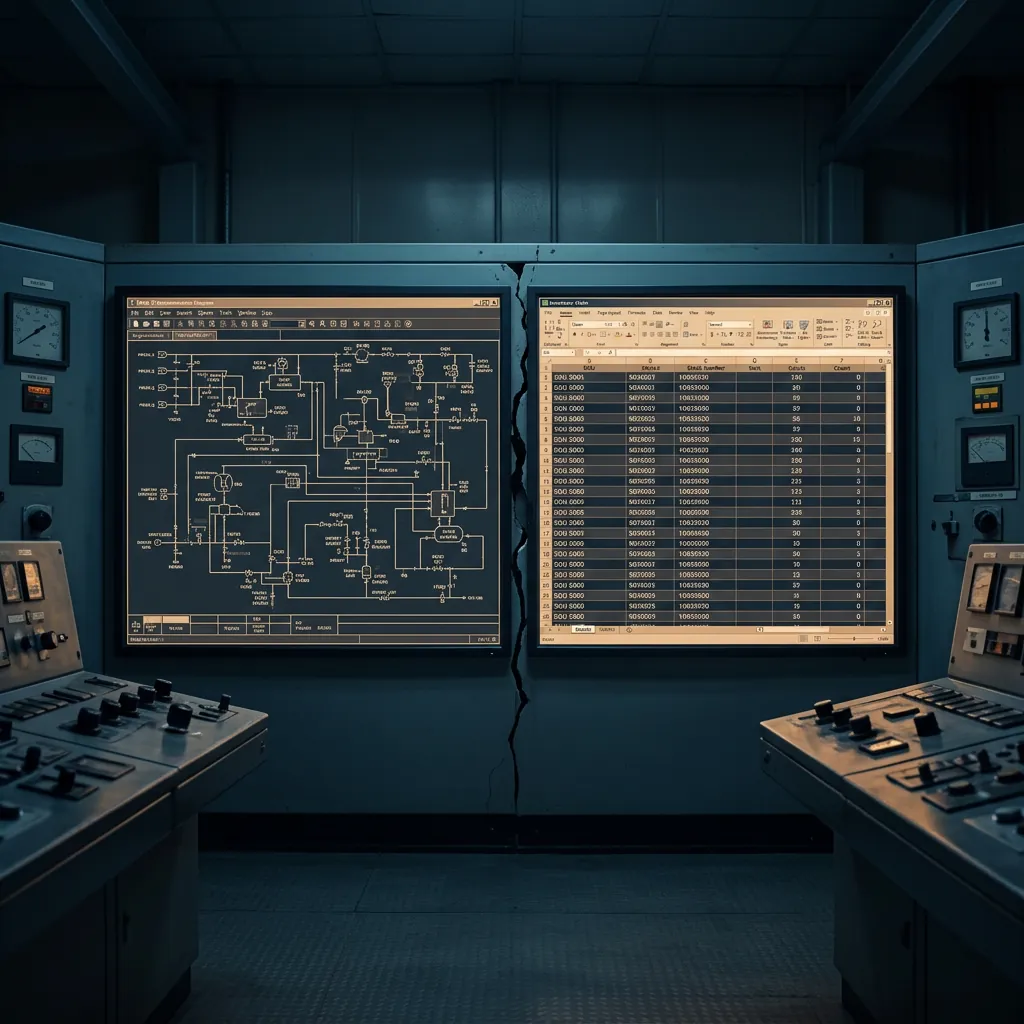
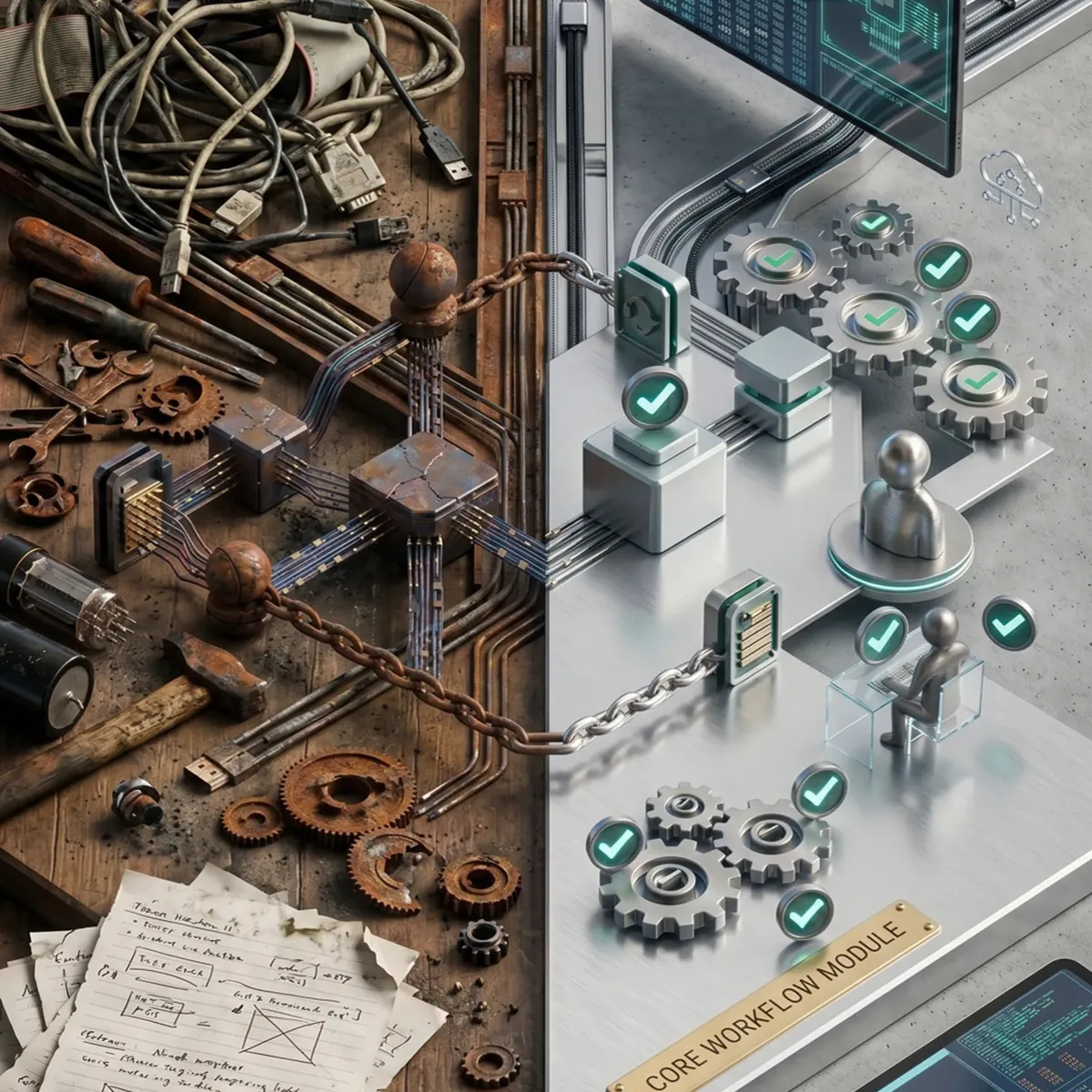
Keep all your old systems. Your CRM. Your billing. Your HR files. But they stop being the boss. They turn into storage — boxes where the facts sit and wait. It’s the same “no rip-and-replace” idea we use when we drop AI on top of a bank’s existing claims and underwriting systems instead of rebuilding them.
Then you put one new thing on top. One brain that can open every box, understand what’s inside, and actually do things with it. That one thing is the harness. It’s the heart of the company: where the work happens, and where knowledge piles up instead of leaking out the door every time someone quits. We’d built brains over big data before — including one that reasons over 50M+ documents — but never one meant to run a whole company.

We’re not the only ones who landed here, and I’d rather point at that than pretend we invented the word. In June 2026, Gong — a big revenue-software company — launched something they call a Revenue Harness, and they described the problem almost the way we would: generic AI tools break in real life because they’re missing context, rules, and a human keeping watch. They’re right.
The difference is just how much ground it covers. Theirs runs the sales team, because that’s what they sell. Ours had to run a whole company — sales, money, hiring, delivery — because we weren’t building a product to sell. We were trying to run a business, and a business has a finance department.
How Is ACOP Built?
ACOP — Advanced Company Operations Processor — is the AI operating system we built to run our own company, made of a few parts that each do one clear job.
That’s a very serious name for something we mostly figured out by bumping into walls. Here’s what’s actually inside.
| Part | What It Does |
|---|---|
| The Harness (orchestration core) | The boss. Every request goes through here. It decides what needs to happen and who does it. |
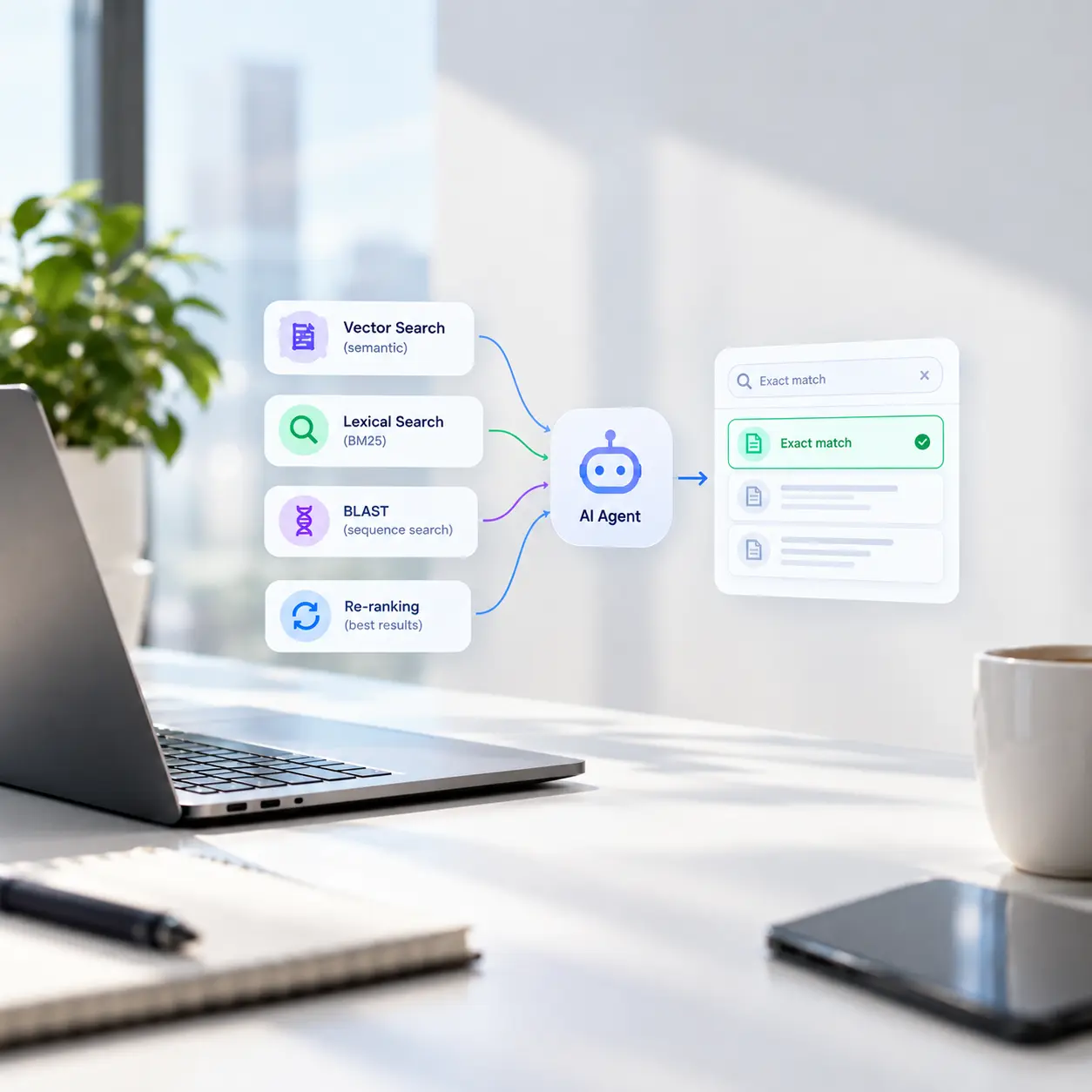
| Company Brain (knowledge plane) | The memory of the whole company. A map of how deals, people, projects and clients connect, plus a way to search everything by meaning, not just keywords. |
| Domain Rooms (MCP servers) | Our real systems, turned into rooms the harness can enter: Deals, Billing, Talent, Projects and CV matching. Five today. Add more without rebuilding anything. |
| Guardrails (policy gates) | A guard at every door. The harness can enter the billing room, but the guard checks: are you allowed to do this? Should a human say yes first? That’s how you let AI near real money and still sleep. |
| Agentic Memory (layered recall) | The harness remembers. What you did, what got decided, which rule applied last time, actual memory it can recall and consolidate. |
| Generative UI (on-demand screens) | Screens that appear only when you need them, built on the spot. No giant dashboard to learn. |
| Chat (the front door) | You talk to it where you already talk: Telegram, WhatsApp, Google Chat. Ask a normal question, get a real answer. |
What Is a MetaHarness?
A MetaHarness is a second agent whose only job is to watch the harness and make it better over time — you never talk to it directly.
This is my favorite part.
There’s a second robot. Its only job is to watch the first robot work. It never talks to you — your messages never flow through it. It just studies how the harness behaves, spots where it’s weak, and improves its instructions and its rules.
Most software is exactly the same on Friday as it was on Monday. This part is what makes ACOP get a little smarter over time, on purpose, in a way we can measure. Not someone secretly tweaking prompts at midnight — a real, watchable loop. Measurable. Improvable. Checkable.
Why Did We Build This Instead of Buying It?
We built ACOP for two honest reasons: nobody was selling it yet, and we were exactly the right size to try.
The first reason is pure luck. When we started, nobody was doing this. If anyone was, they were very quiet about it.
The second is size. Big companies probably won’t try this, because they’re slow and running experiments on yourself gets expensive when you’re huge. Tiny companies don’t have enough real problems to make it worth it. Three hundred people is close to perfect — big enough that the problems are real, small enough that if it all goes sideways, everyone just goes back to doing it by hand on Monday. That safety net is the whole reason we could afford to try.
What Did It Cost?
ACOP cost a six-figure number over three years — expensive, and worth it, mostly because we now know where every wall is.
Roughly a six-figure number, spread over three years. Not seven. And honestly, nobody here tracked it to the penny, so take that as my estimate, not an audited line.
Was it expensive? Yes. Clearly.
Was it worth it? Most of our company learned to build things the new way earlier than they otherwise would have, and that’s already showing up in the work we do for clients. And doing it a second time costs far less — because the expensive part was walking into all the walls, and we’ve done that now.
Does This Work for a Small Business?
Yes — a small business is where a harness like ACOP helps most, because it takes on the day-to-day operational coordination you’d otherwise need a whole ops team for — the kind most small companies can’t staff.
In a small company, the facts are scattered everywhere. Some in the CRM. Some in a spreadsheet. Some in billing, some in chat, some in one person’s head. So the boss spends half the week asking around: what’s happening with this deal, who’s free, why did that number change, who can we put on this project?
With a harness, you just ask. In plain words, in the chat app you already use.
- Which clients need attention this week?
- Who’s free to staff this new project?
- Why did billing change for this team?
- Which projects are overloaded?
The harness figures out what it needs, goes and reads your real systems, and comes back with a real answer — not a generic tip, an answer about your company, with the receipts. You don’t hire a whole operations team. You don’t learn a dashboard. You just ask.
The unglamorous half of making this work is the plumbing underneath — which is why we treat the data foundation and AI-readiness and the custom ML and GenAI engineering as the real job, not the demo.
Where Is ACOP Today?
Not finished. A pile of experiments — some working well, some not — that only started heading the right way six months ago.
Some parts work really well. Some don’t. Six months of going the right way, after two and a half years of drifting the wrong way.
I’d rather tell you that than write one of those case studies where everything worked perfectly. You’d know. You’ve run projects too.
The walls were the product. We walked into all of them — so the next build, maybe yours, doesn’t have to.
Questions People Ask Us About ACOP
What is ACOP?
ACOP (Advanced Company Operations Processor) is the internal AI operating system Azati built to run its own company. It connects one AI orchestration core, a harness, to a company’s real systems for sales, billing, HR, projects and hiring, so people can run daily operations by chatting in plain language instead of clicking through separate tools.
What is an AI harness?
An AI harness is a single orchestration layer that sits on top of all of a company’s existing systems and does the reasoning and coordination. The old systems become storage for the facts; the harness reads them, remembers past decisions, follows rules, and takes actions on the user’s behalf.
How is this different from adding a chatbot to our CRM?
A chatbot answers questions about one system. A harness acts across all of them. It connects to sales, billing, HR and project tools at once, remembers what happened before, checks permissions at every step, and can actually prepare or take an action, not just describe one.
What is a MetaHarness?
A MetaHarness is a self-improving meta-agent that observes the harness and upgrades its prompts, rules and configuration over time. User traffic never flows through it. It runs as a separate control plane, turning improvement into a measurable, observable loop rather than manual prompt-tweaking.
Is it safe to let AI near billing and payroll?
Yes, when every system sits behind guardrails. In ACOP each domain is a separate module with its own policy gate that checks permissions and can require a human to approve an action before it happens. The AI operates only inside the limits it’s explicitly given.
Do you have to replace your existing software?
No. ACOP keeps existing systems and turns them into connected data sources behind a single harness. Each system becomes a module you can switch on or off, so you deploy only what you need and add more later without rebuilding the core.
How much did it cost and how long did it take?
Azati spent roughly a six-figure sum over three years, most of it on trial and error. The system started moving in the right direction only in the last six months. Building a second one costs far less, because the expensive part — learning where the hard problems are — is already done.
Who is ACOP for?
ACOP is designed for small and mid-sized companies that have real operational complexity but can’t staff a full revenue-operations, HR-operations or business-intelligence team. It gives them AI-assisted operational coordination through the chat apps they already use.