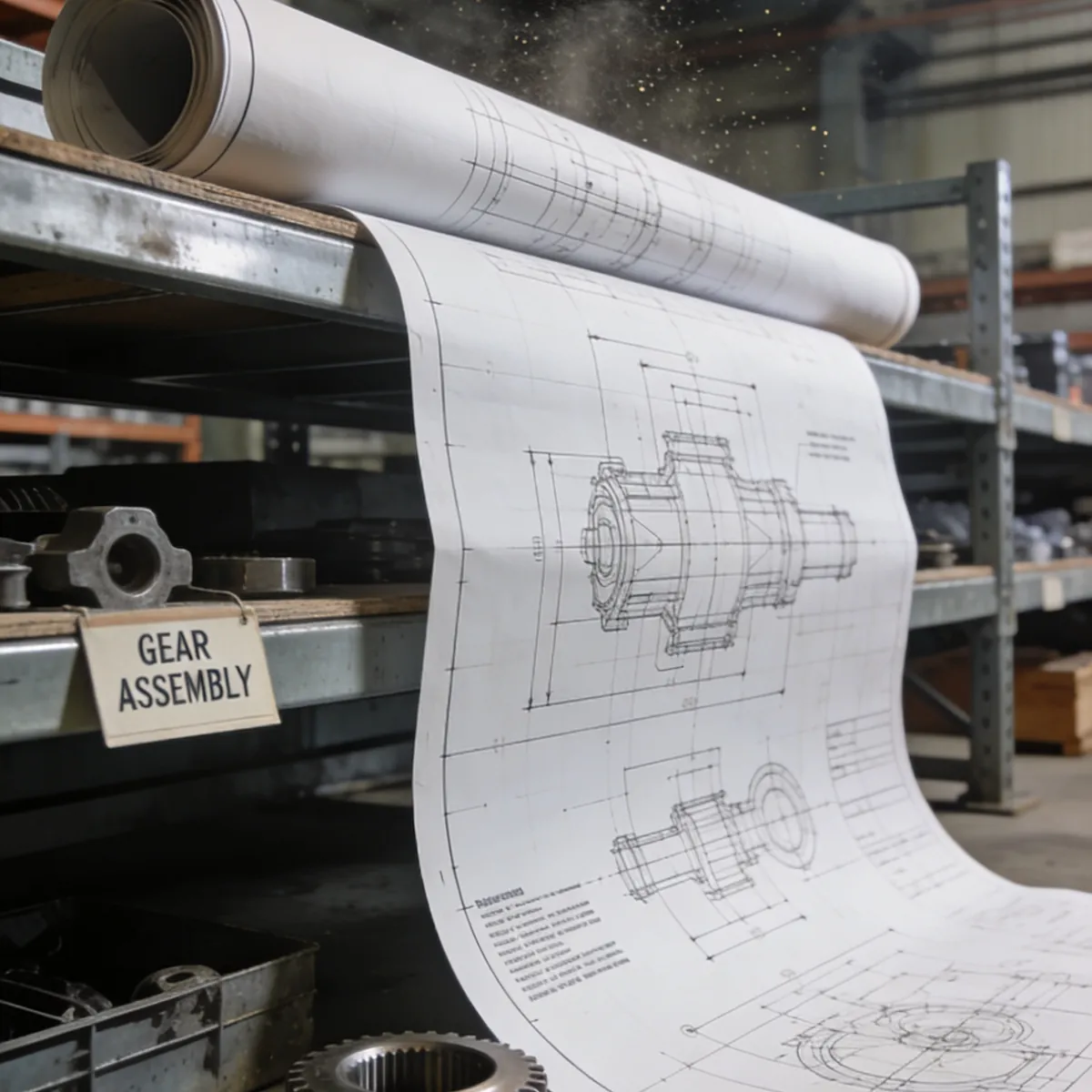

A Saudi Arabia oil and gas operator completed a full criticality classification of 200,000 inventory items, extracted directly from 50,000 P&ID documents.
Asset criticality classification is the process of identifying which spare parts and materials are essential to an operation, based on the engineering systems they support, not on purchasing history or how often they happen to be reordered. Without it, an inventory optimisation model can only be as accurate as the guesswork sitting underneath it.
This is the sixth article in a series on engineering data in asset-intensive industries. The fifth called itself the final one. A completed project in Saudi Arabia made clear there was a step still missing, the one that has to happen before optimisation, not after it.
The Question Inventory Optimisation Skips
Most inventory optimisation conversations start with a stock reduction target: ten percent, fifteen percent, a dollar figure attached to a percentage. Almost nobody asks the question that has to be answered first, do you actually know what’s in those 200,000 lines, or are you about to run a model against a guess?
Manually classifying a materials master at that scale is not a project most teams finish. By the time the review is done, the plant configuration has usually changed again. The Saudi Arabia operator’s review was completed, not flagged as in progress, not a pilot still running. Completed, using a digital approach, on a dataset a manual team would still be working through years later.
Why Your ERP and Your P&ID Tell Two Different Stories
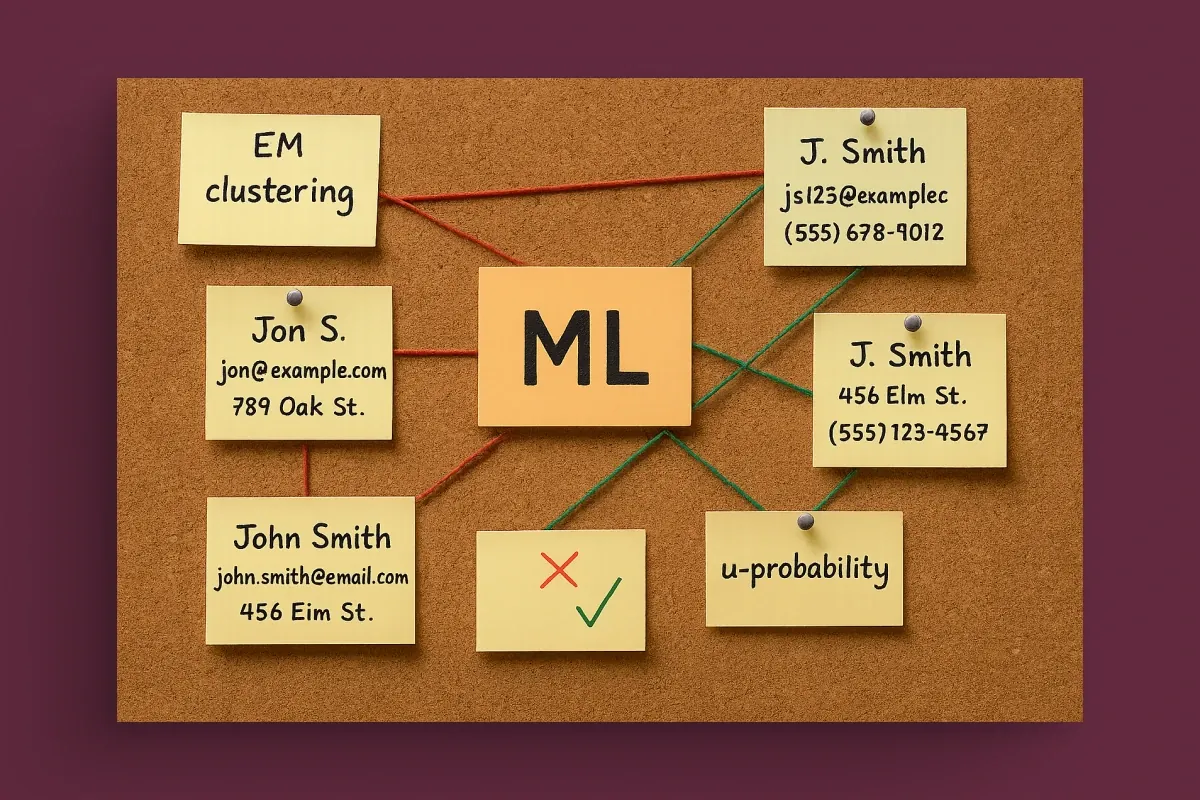
A materials master built up over a decade reflects a decade of different people, naming conventions, and levels of diligence. The same physical part can appear under three different descriptions across three plants. A genuinely critical spare can sit in the system as a part number and a quantity, indistinguishable from a box of cable ties, because nothing in the record says otherwise.
Inventory optimisation models, min/max levels, reorder points, demand forecasting, are mathematically straightforward once the inputs are reliable. The complexity was never in the model. It’s in the data the model depends on.
| Parameter | Engineering record (P&ID) | Inventory record (ERP / materials master) |
|---|---|---|
| Created by | Project team / EPC contractor | Procurement / operations team |
| Carries | System role, connections, functional context | Description, quantity, reorder level |
| Updated when | Engineering changes something | Procurement moves stock |
| Knows criticality? | Yes, implicitly, in system context | Only if someone manually carried it over |
Running an optimisation model against a materials master that never inherited that engineering context doesn’t produce obviously wrong answers. It produces confident-looking answers built on an unreliable foundation. The reorder point calculation runs. The dashboard updates. The numbers feel real because they came out of a system, but the system never checked whether the underlying classification was correct in the first place.
What Classification at Scale Actually Requires
The Saudi Arabia project worked because the classification didn’t depend on memory of what the plant looked like three years ago. It came from the engineering documentation itself.
Every P&ID carries information a materials master typically doesn’t: what system the tagged equipment belongs to, what it connects to, what role it plays in the process. That context is exactly what’s missing when a materials master is built from procurement records alone, procurement knows what was bought and when, but not always what it was for or how it fits into the operation it supports.
Extracting tag data from 50,000 documents and mapping it against 200,000 SKUs requires processing P&IDs at a volume and consistency manual review can’t sustain: the same drawings, read the same way, every time, without the inconsistency that creeps in when five different reviewers interpret five different drawing standards on five different days.
The output isn’t a cleaner spreadsheet. It’s a materials master that can actually support an optimisation model, because the classification underneath it reflects what the equipment is, not just what was ordered.

Evidence from the Field
This case sits alongside others from the same project family, at different points in the same underlying problem.
| Project | Scale | Outcome |
|---|---|---|
| Automated criticality analysis, Saudi Arabia | 50,000 documents; 200,000 SKUs | Criticality review completed digitally and consistently, at a scale no manual process could match |
| Inventory optimisation, Southeast Asia | 730,000 SKUs; 20 plants; USD 315M stock | Target: 10% stock reduction (USD 31M). Blocked by classification, not commercial factors |
| Cross-operator reconciliation, UK & Australia | 2.3 million items | 19 weeks of engineering time spent on reconciliation before optimisation could even begin |
In every case, the sequence was identical: classification problem first, optimisation problem second. Organisations that tried to reverse that order, applying optimisation logic before the underlying data was classified, generated recommendations operations teams couldn’t trust and didn’t act on.
Why This Step Gets Skipped
Most organisations don’t skip classification because they underestimate it. They skip it because of where it sits in the project timeline. Classification is unglamorous, doesn’t produce a dashboard on day one, and competes for budget against initiatives that arrive with a headline number already attached.
An inventory project pitched as "reduce stock by 10%" gets funded faster than one pitched as "classify the materials master properly first." The second is the prerequisite for the first to mean anything, it just doesn’t have the same pitch.
The consequence tends to surface later, usually when optimisation recommendations start contradicting what operations teams already know on the ground. Trust in the exercise erodes from that point, and the project either stalls or gets re-scoped back to the beginning, the step that should have come first.
What This Means for Your Materials Master Right Now
If your last full classification review predates your most recent ERP migration, the numbers your system produces today carry forward whatever assumptions were baked in at that point, multiplied across every transaction since.
This is worth checking before committing to a stock reduction target. Not because the target is wrong, but because hitting it on unclassified data and missing it on properly classified data lead to very different outcomes. One quietly creates risk somewhere in the network. The other is just a number that needs revisiting.
The practical first step isn’t a platform decision. It’s an honest answer to one question: when was your materials master last reviewed against your actual engineering documentation, not updated in the ordinary course of business, but reviewed, line by line, against what the drawings say the plant actually contains.
For most organisations, the honest answer is longer ago than they’d like.
Frequently Asked Questions
What is asset criticality classification?
Asset criticality classification is the process of identifying which spare parts and materials are essential to an operation, based on the engineering systems they support. It is typically derived from engineering documentation such as P&IDs, rather than from purchasing history or reorder frequency alone.
Why do inventory optimisation models produce unreliable results?
Models like min/max levels and reorder point calculations assume the underlying item descriptions and criticality values are accurate. If the materials master hasn’t been classified against engineering documentation, the model’s output looks precise but is built on an unverified foundation.
How long does it take to manually classify a large materials master?
For datasets in the hundreds of thousands of SKUs, manual classification is generally not feasible within a useful timeframe. By the time a review team finishes working through the catalogue, the plant configuration has often changed again, making parts of the review outdated before it’s complete.
What’s the first step before running an inventory optimisation project?
A data audit: confirming whether the engineering tag register is current, whether it’s linked to the materials master, and what attribute coverage exists on both the engineering and inventory sides. This diagnostic defines the actual scope of work before any optimisation model is run.
About This Series
This article continues a series on engineering data in asset-intensive industries:
- Intelligent Document Processing for Utilities and Infrastructure Operators — February 2026
- When Engineering Data Becomes an Execution Risk — March 2026
- Why Document AI Isn’t Enough for Regulated Engineering Workflows — May 2026
- MRO Inventory Optimization Starts with Engineering Data — May 2026
- The Drawing Knows. The Warehouse Holds. Nobody Connected Them. — June 2026
- 200,000 SKUs and Nobody Knows Which Ones Matter — June 2026