Engineering & Manufacturing Digital Transformation Services

Modernize engineering data, legacy software, and manufacturing systems to improve engineering productivity, reduce modernization risk, and enable Digital Twins, AI, and connected operations

Azati helps industrial organizations modernize engineering and manufacturing workflows by transforming fragmented information into connected digital assets that power better decision-making, operational efficiency, and long-term innovation. From engineering drawing digitization and legacy system modernization to intelligent manufacturing apps and Digital Twins, we help transform incrementally and extend existing systems while building the digital foundation for future innovation.

23+
years delivering enterprise software solutions
Enterprise-scale
engineering data modernization and AI initiatives
Europe & USA
trusted delivery partner for industrial organizations

Engineering data powers every modernization initiative

Every modernization initiative begins with engineering information. Digital Twins, AI, connected manufacturing, predictive maintenance, PLM, and collaboration all depend on accurate engineering data. Yet, decades of knowledge often remain trapped in drawings, CAD files, scanned documentation, legacy software, and disconnected repositories.

Signs your organization is ready for engineering digital transformation

Engineering leaders

  • Engineers spend too much time searching for technical documentation
  • Legacy drawings and disconnected systems slow engineering change

Manufacturing leaders

  • Production, quality, and maintenance systems operate in silos
  • Legacy software limits operational visibility

Digital transformation leaders

  • AI initiatives lack structured engineering data
  • Existing enterprise systems cannot support future modernization

The Engineering Transformation Pyramid

  1. Engineering Information Sources

    Paper Archives • Legacy Systems • Scanned Files • Tribal Knowledge

  2. Structured Engineering Data

    Drawings • CAD • P&IDs • BOMs • Documents • Metadata

  3. Modern Engineering Applications

    PLM • PDM • Engineering Portals • Collaboration • CAD

  4. Connected Manufacturing Operations

    MES • ERP • Asset Management • Quality • Analytics

  5. Continuous Innovation

    AI • Digital Twins • Predictive Maintenance

From engineering information to business value

  1. Legacy Engineering Information

    • Drawings
    • CAD
    • P&IDs
    • Specifications
    • Maintenance Records
    • Technical Documents
  2. Engineering Data Modernization

    • Digitization
    • OCR & Computer Vision
    • CAD Conversion
    • Data Structuring
    • Metadata Extraction
    • Knowledge Management
  3. Connected Enterprise

    • PLM
    • ERP
    • MES
    • EAM
    • Engineering Portals
    • Asset Management
  4. Operational Intelligence

    • Engineering Search
    • Workflow Automation
    • Analytics
    • Manufacturing Visibility
    • Collaboration

Engineering & manufacturing modernization services

Engineering transformation extends well beyond software modernization. Azati helps organizations modernize the entire engineering information lifecycle.

Engineering data and drawing modernization

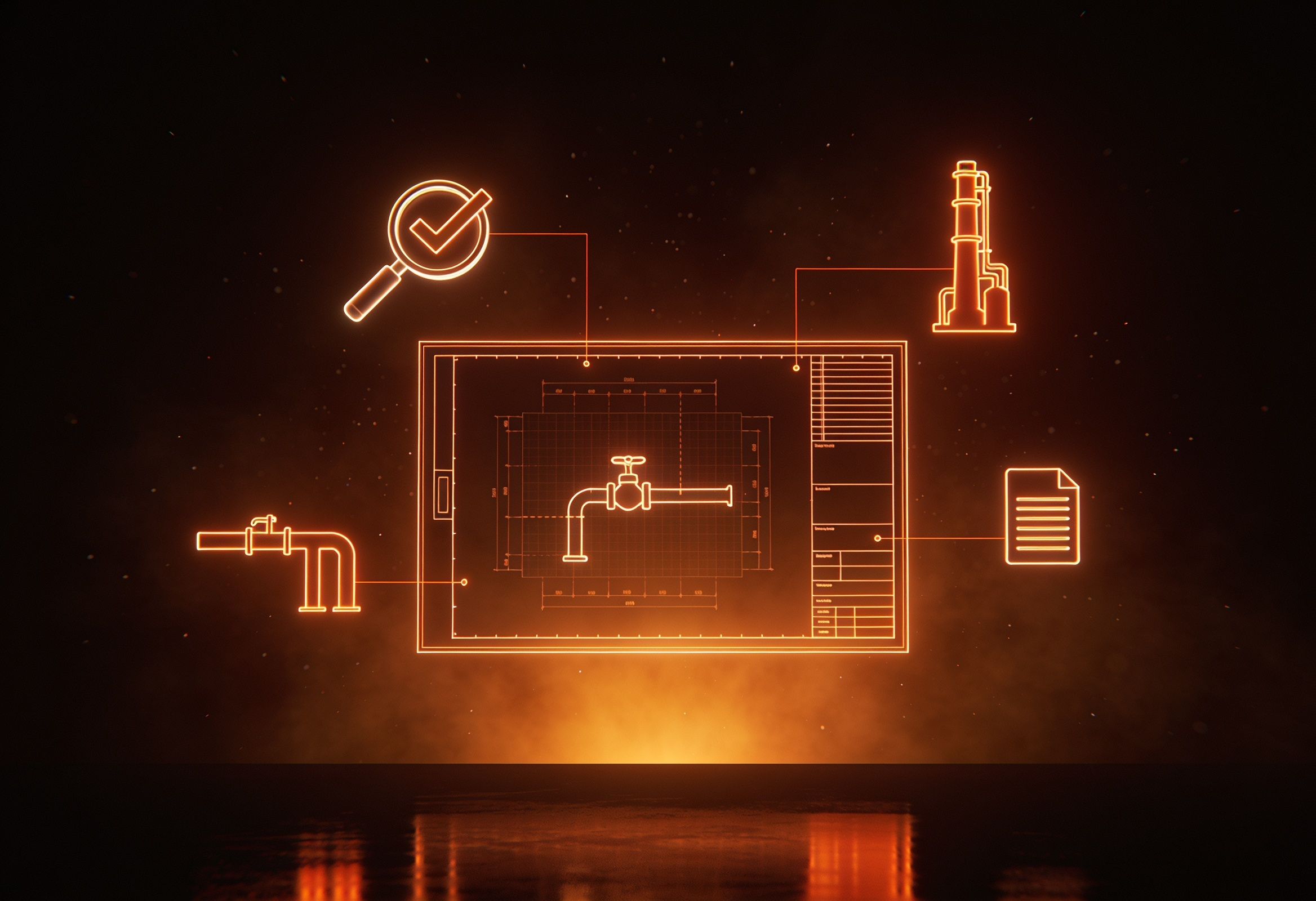
Transform legacy engineering drawings, CAD files, P&IDs, technical documentation, and equipment records into structured digital assets supporting engineering collaboration, PLM, Digital Twins, maintenance, and AI initiatives.

Engineering knowledge management

Create searchable engineering knowledge platforms that connect documentation, specifications, operational procedures, maintenance history, engineering standards, and institutional expertise into a single trusted source of information.

Engineering software modernization

Extend and modernize legacy engineering apps, desktop software, doc repositories, and operational platforms with modern architectures, cloud technologies, AI-assisted workflows, and improved user experiences.

Manufacturing operations modernization

Improve operational visibility by integrating engineering information with manufacturing systems, quality management, maintenance operations, supply chain processes, and enterprise business applications.

Digital engineering platforms

Build connected ecosystems that support Digital Twins, engineering collaboration, asset lifecycle management, industrial analytics, and future AI initiatives.

AI-powered engineering automation

Introduce AI, Computer Vision, intelligent document processing, automation, and engineering assistants, which deliver measurable business value without disrupting established processes.

Who Azati helps

Every engineering and manufacturing organization has different modernization priorities. Azati tailors its approach to the business, operational, and technology challenges facing each type of organization.

Engineering-intensive organizations

Whether you design industrial equipment, develop complex products, operate large-scale facilities, or manage critical infrastructure, engineering information is one of your most valuable business assets.

Azati helps engineering-driven organizations modernize technical documentation, drawings, CAD data, P&IDs, workflows, and legacy software while building scalable foundations for Digital Twins, AI, and future innovation.

Best fit for:

  • Industrial engineering companies
  • EPC contractors
  • Heavy equipment manufacturers
  • Aerospace and defense suppliers
  • Utilities and infrastructure operators
  • Energy companies
  • Engineering consultancies

Build the engineering foundation for long-term digital transformation

Future AI, Digital Twins, and automation rely on high-quality engineering data. Modernizing this knowledge builds a foundation for faster innovation, better collaboration, and smarter decision-making. Whether updating legacy systems, digitizing documentation, or integrating platforms, Azati transforms your engineering information into a strategic business asset.

Evaluate my transformation potential

Azati delivers business outcomes that engineering leaders measure

Engineering modernization should improve business performance, not simply digitize existing processes. Azati helps organizations achieve measurable improvements across:

  • Engineering productivity

    Reduce time spent searching, validating, and managing engineering information while preserving institutional knowledge.

  • Operational efficiency

    Connect engineering, manufacturing, maintenance, and quality through integrated workflows and trusted data.

  • Lower modernization risk

    Extend existing platforms through phased modernization instead of disruptive replacement.

  • Foundation for AI and Digital Twins

    Create structured engineering data that enables future Digital Twin, industrial AI, predictive maintenance, and automation initiatives.

Azati's engineering & manufacturing transformation capabilities

Engineering transformation succeeds when engineering information, software, manufacturing systems, and operational processes evolve together. Azati helps organizations modernize each layer through practical, phased initiatives that reduce risk and deliver measurable business value.

Engineering data modernization

Transform legacy engineering drawings, CAD files, P&IDs, and technical documentation into structured digital assets that support engineering collaboration, PLM integration, Digital Twins, and AI.

Typical initiatives

  • Engineering drawing digitization
  • CAD conversion and modernization
  • P&ID recognition
  • BOM and metadata extraction
  • Engineering archive modernization

Business value

Expert insight

Baryslau Yaravy, Head of AI Engineering at Azati

I studied industrial and mechanical engineering before moving into software, and I spent time close to manufacturing, automotive, and heavy machinery. That background changes how I think about AI systems: I'm less interested in benchmark accuracy and more interested in whether the system holds up under real operational conditions — variable inputs, edge cases, integration failures, data drift over time.

Baryslau Yaravy
Head of AI Engineering, Azati

Let's discuss your engineering transformation strategy

Azati can help you identify the highest-value modernization opportunities:

  • Identify the highest-value modernization opportunities
  • Evaluate engineering data maturity
  • Prioritize initiatives based on business impact
  • Reduce implementation risk through phased delivery
  • Define a practical transformation roadmap
Discuss your project

Azati’s engineering & manufacturing services’ focus

  • Legacy engineering archive modernization

    Digitize decades of engineering documentation and transform fragmented archives into structured, searchable engineering knowledge that supports everyday operations.

  • Engineering drawing digitization

    Convert legacy blueprints, CAD drawings, P&IDs, electrical diagrams, piping isometrics, and technical documentation into modern digital engineering assets suitable for PLM, PDM, Digital Twin, and asset management initiatives.

  • CAD migration and conversion

    Modernize obsolete engineering files, migrate legacy CAD formats, and improve engineering collaboration without losing historical design information.

  • PLM & PDM data integration

    Connect engineering documentation with Product Lifecycle Management (PLM) and Product Data Management (PDM) systems to improve engineering governance, change management, and collaboration throughout the product lifecycle.

  • Digital Twin enablement

    Establish trusted engineering data foundations that support Digital Twins by connecting engineering drawings, asset information, operational records, maintenance history, and facility data.

  • Engineering knowledge search

    Enable engineers to locate drawings, specifications, equipment information, standards, and maintenance documentation through AI-powered search rather than manual repository navigation.

  • Engineering workflow modernization

    Automate engineering reviews, document approvals, technical validation, compliance workflows, and engineering change management while maintaining governance and traceability.

  • Industrial AI enablement

    Create structured engineering data that enables future initiatives, including predictive maintenance, industrial copilots, engineering assistants, operational analytics, and intelligent manufacturing.

Azati’s recent engineering data modernization engagements

Every engineering organization begins its transformation journey differently. Some start with legacy engineering drawings. Others with manufacturing software, Digital Twins, industrial AI, or connected operations. Across every engagement, the objective remains the same: transforming fragmented engineering information into trusted digital assets that support long-term operational improvement.

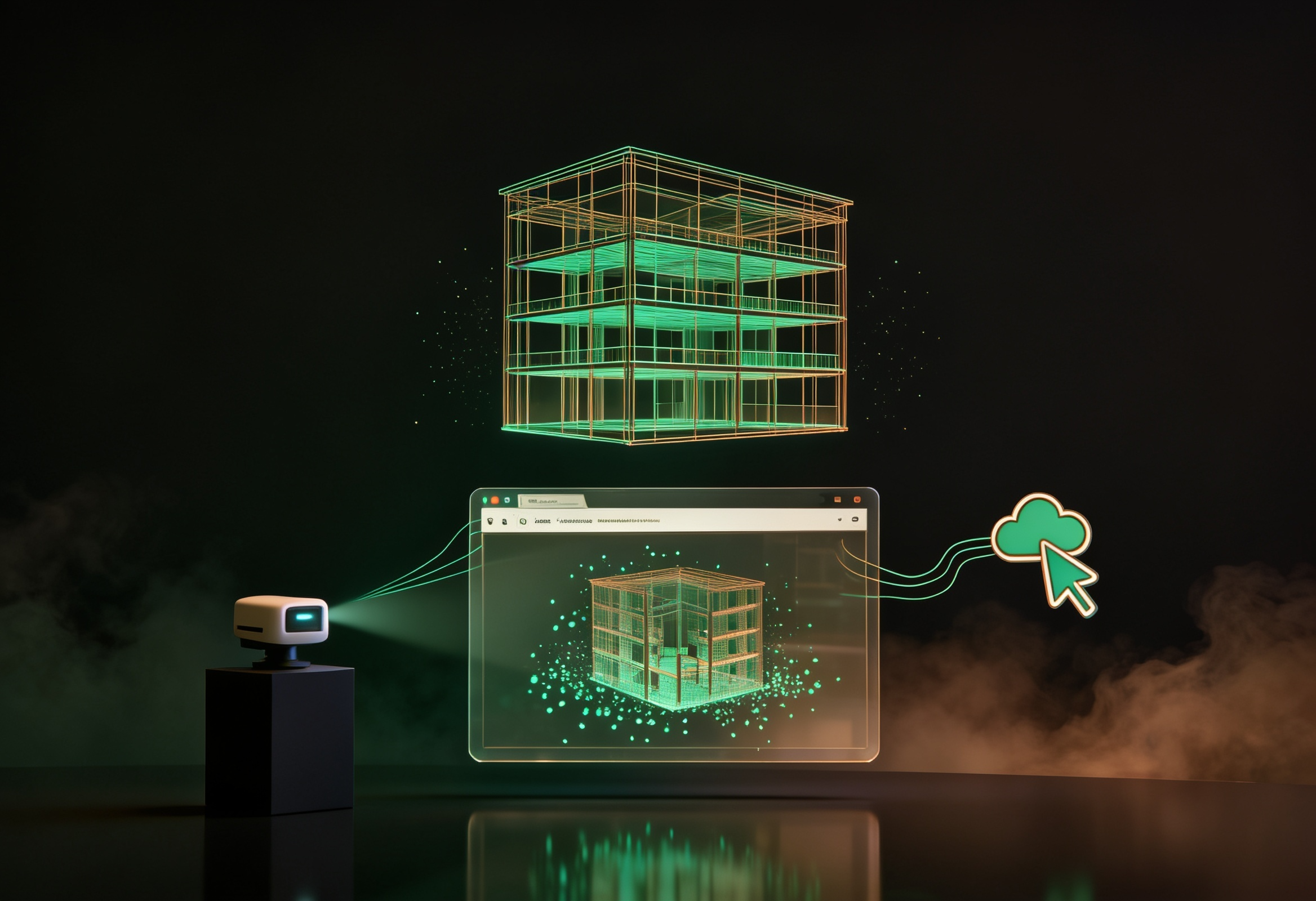
3D Digital Twin Platform for Building Inspection and Property Intelligence
Construction Technology & PropTech

3D Digital Twin Platform for Building Inspection and Property Intelligence

24 months of full-cycle product engineering
End-to-end scan-to-digital twin workflow from IoT device to browser
Cloud-native platform for processing and collaborating on large 3D building datasets
  • TypeScript
  • Angular
  • NestJS
  • AWS
  • Three.js
  • 3D digital twins

Business challenge

A US construction tech startup needed a SaaS platform to convert physical buildings into interactive digital twins. The solution required an end-to-end workflow, from IoT scanning and cloud processing to browser-based 3D visualization and real-time collaboration, that could scale efficiently and reliably.

Solution at a glance

Azati provided full-cycle engineering over a 24-month engagement, developing core components across the frontend, backend, cloud infrastructure, and 3D visualization stack. The resulting platform automated the complete journey from building scan upload through cloud processing to browser-based analysis and collaboration, creating a scalable digital twin solution for construction and property stakeholders.

How Azati solved the challenge

  • End-to-end scan-to-digital twin workflow: Developed the processing pipeline that transforms captured building scans into interactive digital twins, automating data ingestion, cloud processing, storage, and browser-based visualization.
  • Interactive building visualization: Built high-performance web interfaces that enable users to explore complex building models and point clouds, inspect assets, and interact with digital twins directly through a web browser.
  • Cloud-scale processing platform: Designed cloud services that orchestrate large-scale 3D data processing, manage asynchronous workloads, and optimize infrastructure for computationally intensive scan processing.
  • Collaboration and operational workflows: Implemented real-time collaboration, notifications, and integrations that allow distributed teams to monitor processing progress, review digital assets, and collaborate around shared building models.
  • Scalable cloud foundation: Modernized the platform's infrastructure through infrastructure automation, cloud optimization, monitoring, and deployment improvements, creating a maintainable foundation for continued product evolution.

Business outcome

  • Complete digital building workflow: Delivered an end-to-end platform connecting physical building scanning, cloud processing, browser visualization, and collaborative analysis within a unified SaaS environment.
  • Faster access to building intelligence: Enabled construction, inspection, insurance, and property stakeholders to analyze large digital building models directly in the browser without relying on fragmented desktop workflows.
  • Scalable cloud operations: Established a cloud-native processing platform capable of supporting increasingly large 3D datasets while improving operational reliability and infrastructure maintainability.
  • Improved collaboration: Enabled distributed teams to work simultaneously on shared digital building models through real-time collaboration and automated notifications integrated into existing communication workflows.
  • Strong foundation for product growth: Helped transform a technically ambitious product vision into a commercially viable digital twin platform by combining expertise in cloud engineering, browser-based 3D visualization, infrastructure automation, and SaaS product development.
AI-Powered Engineering Drawing Digitization and DEXPI Conversion
Oil & Gas

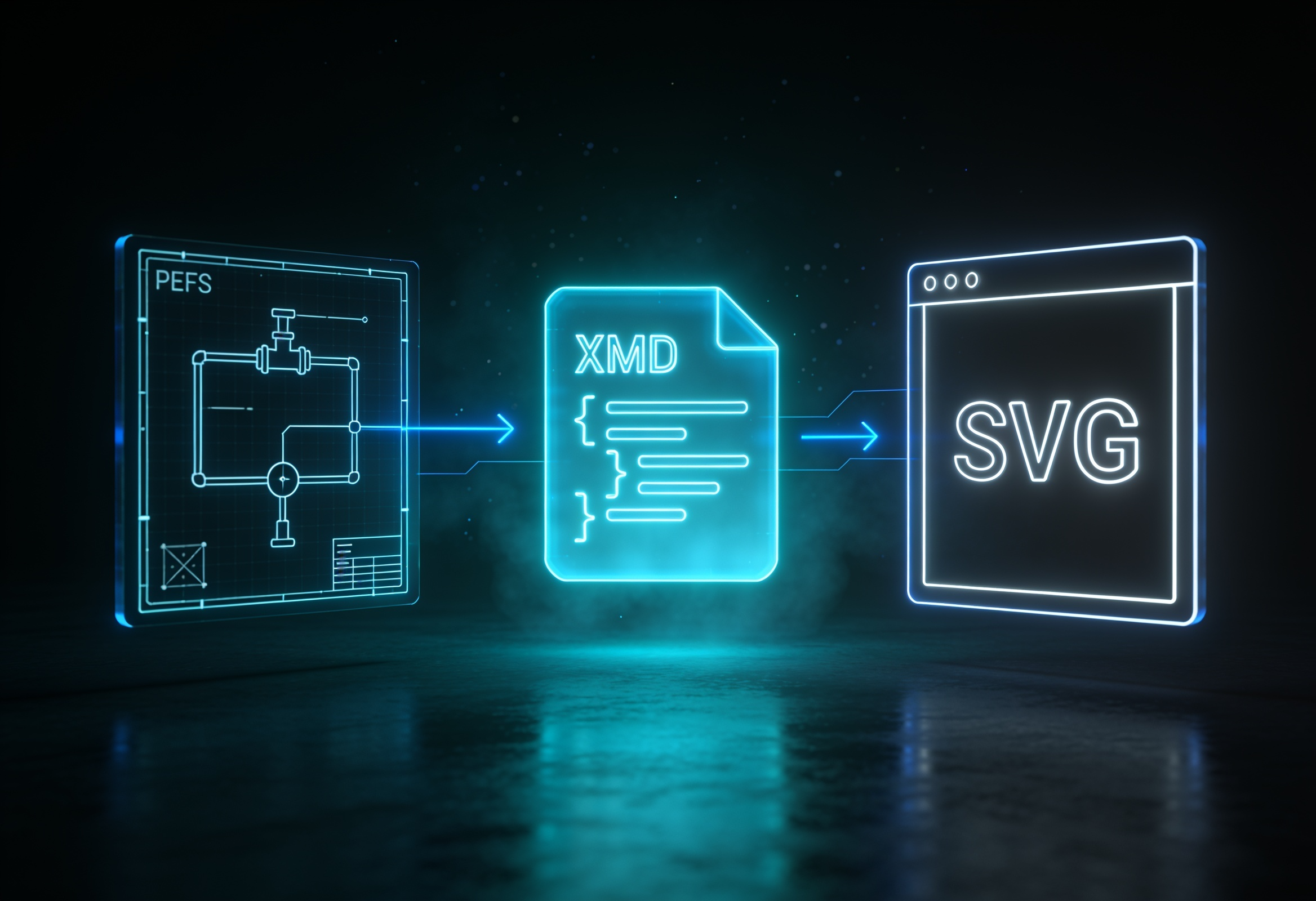
AI-Powered Engineering Drawing Digitization and DEXPI Conversion

35,000 engineering drawings transformed into searchable engineering data
60-80% estimated reduction in manual engineering effort
DEXPI industry-standard engineering data ready for enterprise integration
  • Python
  • Computer Vision
  • OpenCV
  • FastAPI
  • Oracle Cloud Infrastructure
  • Engineering document AI

Business challenge

An oil and gas operator struggled to utilize 35,000 static engineering drawings (PEFS) due to fragmented file formats (AutoCAD, PDF, TIFF), which hindered searchability, process tracing, and system integration. Manual reviews caused significant operational delays, creating a need for a scalable, automated solution to convert these documents into structured, machine-readable data while preserving engineering relationships and industry standards.

Solution at a glance

Azati’s AI-powered platform automates PEFS drawing processing, converts data to the DEXPI standard, and validates results for system integration. This transforms static archives into a searchable knowledge base that improves decision-making, streamlines workflows, and supports future digital twin initiatives.

How Azati solved the challenge

  • Multi-format engineering document processing: Developed an AI pipeline capable of processing engineering drawings from AutoCAD, PDF, TIFF, and JPEG formats, creating a unified workflow regardless of the original document source.
  • Engineering data extraction: Applied computer vision and OCR to identify equipment, instruments, engineering tags, and process elements while automatically associating textual information with corresponding engineering objects.
  • Process topology reconstruction: Built intelligent algorithms that reconstruct relationships between engineering components, transforming disconnected drawing elements into structured representations of process networks rather than simple collections of extracted symbols.
  • DEXPI-standard conversion: Converted engineering data into DEXPI-compliant models with automated validation, enabling direct integration with engineering platforms, asset management systems, and future digital engineering initiatives.
  • Continuous quality improvement: Implemented an iterative review and model refinement process that continuously improves extraction accuracy as additional engineering drawing types and conventions are processed.

Business outcome

  • Searchable engineering knowledge: Converted approximately 35,000 engineering drawings into structured engineering information, enabling engineers to locate equipment, process relationships, and engineering assets without manually reviewing thousands of documents.
  • Reduced engineering workload: Pilot results demonstrated an estimated 60-80% reduction in manual engineering effort by automating extraction, classification, topology reconstruction, and standards-based conversion.
  • Higher engineering data quality: Delivered validated engineering information in an industry-standard format, improving consistency, traceability, and confidence in engineering documentation.
  • Integration-ready engineering data: Produced DEXPI-compliant outputs that can be consumed directly by engineering platforms, enterprise asset management systems, and other downstream applications without requiring extensive custom transformation.
  • Foundation for digital engineering: Established the structured engineering data layer required to support future initiatives such as digital twins, predictive maintenance, engineering analytics, and intelligent asset management.
AI-Powered Engineering Document Verification and Data Quality Automation
Oil & Gas

AI-Powered Engineering Document Verification and Data Quality Automation

~100,000 engineering documents processed in production
50-70% estimated reduction in manual engineering document review
40-60% less time spent preparing engineering reporting data
  • Python
  • Computer Vision
  • FastAPI
  • PostgreSQL
  • Oracle Cloud Infrastructure
  • Engineering document AI

Business challenge

A major Middle Eastern oil and gas operator struggled with manually reviewing and reconciling massive volumes of engineering documents, leading to operational delays and errors. The client required a scalable, automated verification solution that integrated seamlessly with their existing engineering workflows.

Solution at a glance

Azati developed an AI-powered platform that automates the extraction and validation of technical documents and AutoCAD drawings, seamlessly integrating with the client's Knowledge Hub to streamline reviews without disrupting existing workflows.

How Azati solved the challenge

  • Intelligent engineering document processing: Built AI models capable of extracting structured engineering information from technical documents, engineering drawings, and AutoCAD files while accurately interpreting engineering notation, layouts, and technical relationships.
  • Automated engineering data verification: Replaced manual cross-checking by automatically validating extracted engineering information against existing enterprise records and highlighting inconsistencies requiring expert review.
  • AI-assisted engineering interpretation: Applied advanced AI techniques to interpret complex engineering documentation across varying contractor formats, improving extraction quality while adapting to evolving document types and engineering conventions.
  • Seamless platform integration: Integrated validated engineering data directly into the client's existing Knowledge Hub, allowing engineers to continue working within established processes without adopting additional software.
  • Continuous operational improvement: Designed an iterative processing pipeline that continuously expanded support for new engineering document types, refined extraction models, and accommodated evolving business requirements throughout the engagement.

Business outcome

  • Engineering verification at production scale: Processed approximately 100,000 engineering documents in production, demonstrating the ability to automate engineering documentation well beyond pilot environments.
  • Reduced engineering workload: Estimated manual engineering document review effort decreased by 50-70%, allowing specialists to focus on validating exceptions rather than manually reviewing every document.
  • Faster engineering reporting: Reduced engineering data preparation time for reporting by an estimated 40-60%, accelerating operational reporting and engineering decision-making.
  • Higher engineering data quality: Improved consistency and traceability by automatically validating engineering information against enterprise systems before it reached engineering teams.
  • Scalable engineering operations: Established an AI-enabled engineering document verification process capable of supporting increasing documentation volumes without requiring proportional growth in engineering resources, providing a foundation for future engineering automation initiatives.
Enterprise Data Platform Modernization for Trusted Business Analytics
Manufacturing & Chemicals

Enterprise Data Platform Modernization for Trusted Business Analytics

Dozens of analytical data marts and enterprise data pipelines delivered
Hundreds of interconnected data flows supported across enterprise systems
Thousands of analytical structures maintained and continuously enhanced
  • SQL
  • Python
  • dbt
  • Apache Airflow
  • Greenplum
  • Enterprise data engineering

Business challenge

Facing fragmented data across numerous operational systems, a chemical enterprise required a unified platform to provide consistent, trusted analytics. They needed a solution that could scale and evolve to support growing reporting requirements while maintaining data quality and consistency without disrupting existing workflows.

Solution at a glance

Azati partnered with the client to modernize and expand their enterprise data platform. By developing analytical pipelines and business-ready data products, Azati created a scalable foundation that improved access to trusted data and enabled the organization to evolve its reporting capabilities.

How Azati solved the challenge

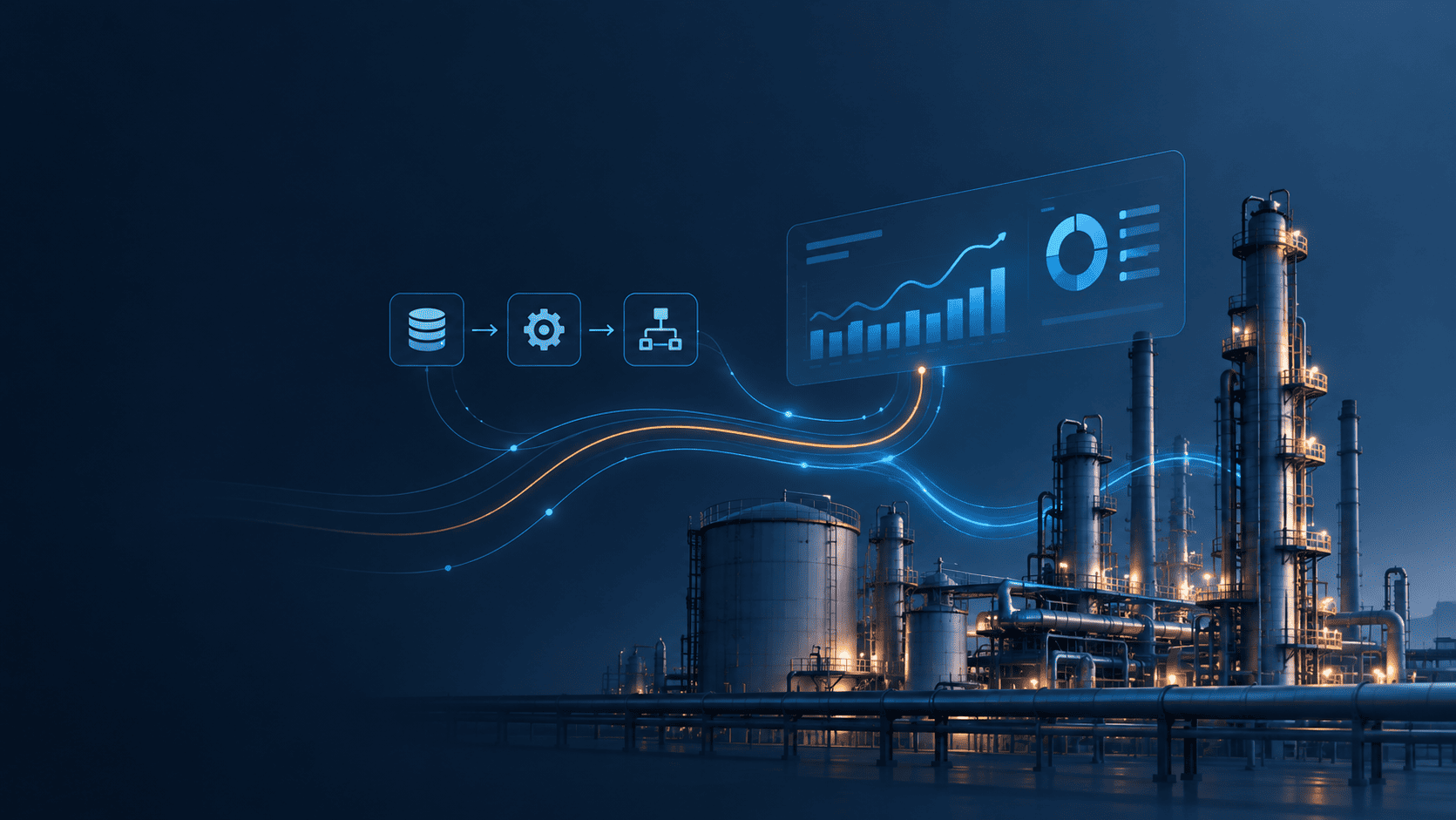
  • Enterprise data integration: Developed and enhanced data pipelines that consolidate information from multiple enterprise systems into a unified analytical environment, ensuring consistent data availability across reporting workflows.
  • Business-ready analytical data products: Built analytical data marts and curated datasets that simplify access to trusted business information, allowing reporting and analytics teams to work with business-ready data instead of complex operational systems.
  • Automated data processing: Implemented orchestration and workflow automation to streamline data ingestion, transformation, scheduling, and delivery across a large enterprise analytics ecosystem.
  • Platform optimization: Continuously improved processing logic, SQL transformations, and platform performance to support increasing data volumes and growing analytical complexity while maintaining operational reliability.
  • Continuous platform evolution: Worked as an embedded engineering partner, supporting the ongoing expansion of analytical capabilities, onboarding new business domains, and adapting the platform to evolving enterprise requirements.

Business outcome

  • Trusted business information: Strengthened the organization's ability to deliver consistent, reliable analytical data across multiple business functions, improving confidence in reporting and operational analysis.
  • Better operational visibility: Provided business stakeholders with easier access to curated analytical datasets, supporting faster monitoring, reporting, and data-driven decision-making across the enterprise.
  • Scalable analytics foundation: Established a maintainable data platform capable of accommodating new business systems, analytical requirements, and reporting initiatives without extensive architectural redesign.
  • Higher platform efficiency: Improved the performance and maintainability of enterprise data processing through continuous optimization of analytical pipelines and workflow automation.
  • Sustainable long-term modernization: Enabled continuous evolution of the enterprise analytics platform through embedded engineering support, allowing the organization to expand analytical capabilities while preserving platform stability and delivery continuity.
AI-Powered Industrial Inventory Optimization Platform
Oil & Gas & Petrochemicals

AI-Powered Industrial Inventory Optimization Platform

7 years of continuous product development and platform evolution
10-30% typical inventory reduction enabled through AI-assisted material normalization
Dedicated team providing long-term engineering, DevOps, AI, and QA support
  • Python
  • FastAPI
  • PostgreSQL
  • Kubernetes
  • AI-assisted inventory optimization

Business challenge

A major petrochemical operator faced rising costs from excess inventory, driven by inconsistent material nomenclature across systems that hindered reconciliation. The client required a centralized, on-premises platform to improve inventory visibility, reduce duplication, and enable long-term optimization.

Solution at a glance

Azati developed an enterprise inventory optimization platform that integrates warehouse management with AI-assisted material normalization. The solution enables users to search inventory, analyze stock, and identify duplicates to support optimization. For seven years, Azati has served as a dedicated partner, providing software development, AI engineering, DevOps, and QA to drive continuous platform evolution.

How Azati solved the challenge

  • Unified inventory management: Developed core platform capabilities that provide centralized visibility into warehouse inventory, enabling users to search materials, define operational scopes, build inventory scenarios, and monitor stock through business dashboards.
  • AI-assisted material normalization: Implemented AI models that automatically identify and normalize material nomenclature across multiple coding standards, reducing duplicate inventory records and improving consistency of enterprise inventory data.
  • Reliable enterprise operations: Built automated quality assurance processes covering business functionality and APIs, supporting continuous platform evolution while maintaining system reliability across ongoing releases.
  • Secure on-premise platform: Designed and maintained an enterprise platform operating entirely within the client's on-premises environment, supporting secure deployment, authentication, and operational stability without relying on public cloud infrastructure.
  • Long-term product evolution: Provided a dedicated multidisciplinary team responsible for continuous enhancement of platform capabilities, infrastructure improvements, AI functionality, and operational support throughout a seven-year engagement.

Business outcome

  • Better inventory visibility: Improved the organization's ability to understand actual inventory holdings by consolidating duplicate material records and providing a consistent view across multiple enterprise coding systems.
  • Lower inventory optimization effort: Reduced the manual reconciliation required to identify equivalent materials, enabling inventory optimization initiatives to focus on business decisions rather than data cleanup.
  • Foundation for inventory cost reduction: Established the data quality and inventory transparency required to reduce excess stock, optimize warehouse operations, and improve management of maintenance, repair, and operations (MRO) inventory.
  • Stable long-term enterprise platform: Supported continuous operation and enhancement of a business-critical inventory platform through seven years of uninterrupted engineering partnership and platform evolution.
  • Trusted engineering partnership: Demonstrated sustained delivery through the client's first and only outsourcing engagement for the platform, providing long-term continuity across software engineering, AI, DevOps, and quality assurance.
Multi-market Automotive Parts Distribution Platform Modernization
Automotive

Multi-market Automotive Parts Distribution Platform Modernization

2 embedded full-stack engineers supporting continuous platform evolution
4 business-critical external integrations across supplier, tracking, messaging, and document services
Multi-market platform supporting importers and dealer networks across multiple countries, currencies, and business rules
  • Laravel
  • Angular
  • PHP
  • TypeScript
  • PostgreSQL
  • AWS

Business challenge

A B2B automotive parts distribution platform needed to scale its product despite architectural limitations hindering new development. While an early database decision blocked a major initiative, the platform had to maintain continuous operation for active dealer and importer networks across multiple markets. The client required an engineering partner to modernize the live production platform without disrupting ongoing feature delivery or business continuity.

Solution at a glance

As an embedded partner, Azati modernized the platform architecture and extended functionality by resolving database issues, enhancing workflows, and integrating supplier ecosystems. This incremental approach removed technical bottlenecks and supported continuous business growth without disruptive rewrites.

How Azati solved the challenge

  • Platform architecture modernization: Identified architectural limitations affecting future product development, prepared an Architecture Decision Record (ADR) for stakeholder approval, redesigned the database schema, and implemented production-safe migrations without disrupting existing platform operations.
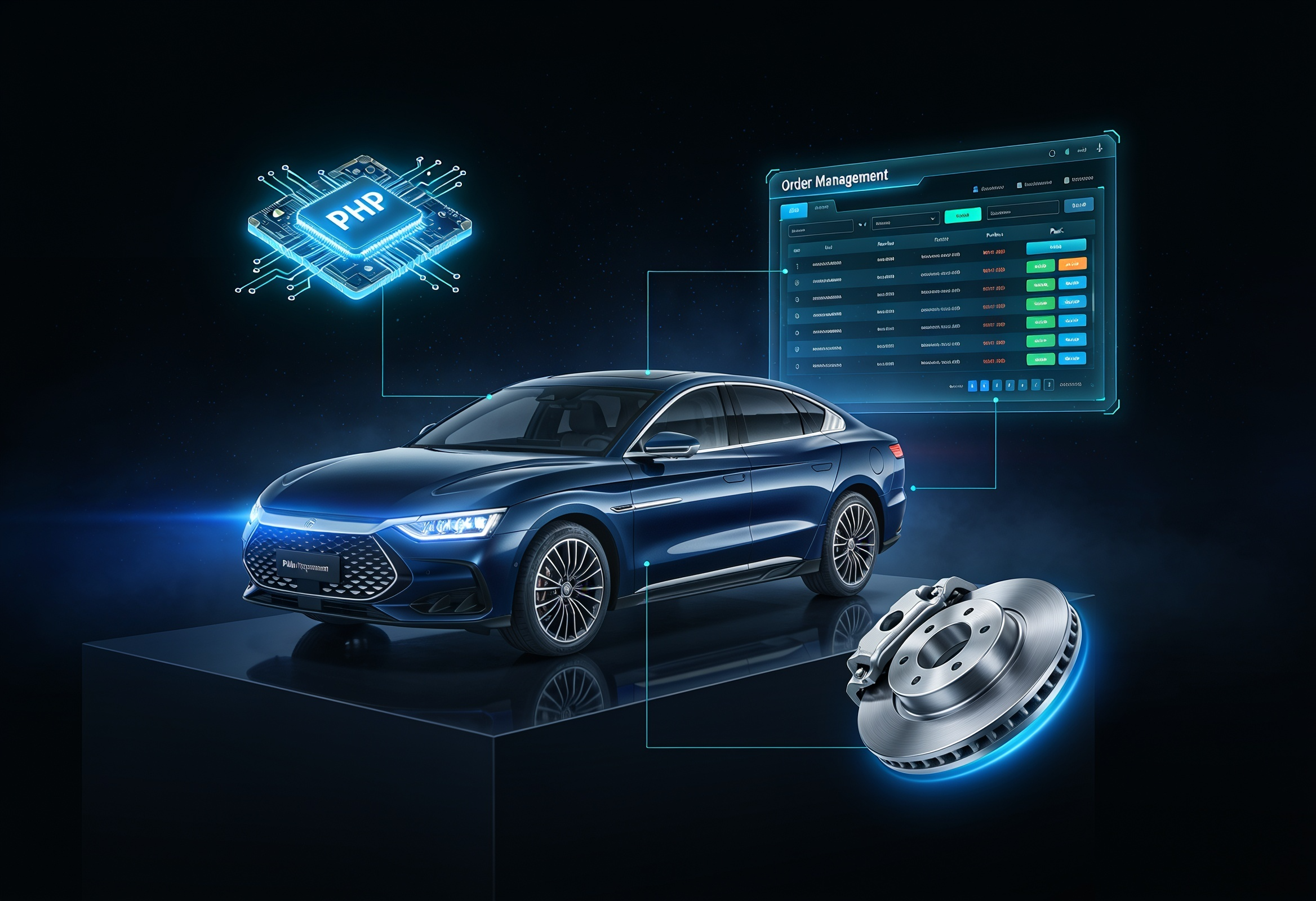
  • Dealer and importer platform development: Expanded core business functionality supporting dealer ordering, parts catalog management, pricing requests, credit orders, warranty handling, and order lifecycle management across multiple regional markets.
  • Supplier ecosystem integration: Integrated the platform with external supplier APIs, shipment tracking services, asynchronous messaging, and document generation services to automate ordering workflows and improve operational efficiency.
  • Multi-market platform evolution: Developed features supporting multiple countries, currencies, tax models, and regional business rules while maintaining a single scalable platform architecture.
  • Embedded product engineering: Worked as a long-term extension of the client's engineering team, contributing across backend development, frontend engineering, architecture improvements, API design, and continuous platform enhancement.

Business outcome

  • Architectural blocker eliminated: Removed a production database limitation that had prevented delivery of a major product initiative, enabling continued product roadmap execution without disruptive platform replacement.
  • Continuous product delivery: Modernized the platform while maintaining ongoing feature development, allowing the business to continue releasing functionality throughout the engagement.
  • Improved platform scalability: Established a stronger architectural foundation capable of supporting future business growth, new platform capabilities, and additional market expansion.
  • Better operational efficiency: Automated supplier interactions, strengthened dealer workflows, and improved integration between ordering, tracking, and document management processes.
  • Sustainable long-term platform evolution: Enabled continuous modernization through embedded engineering support, helping the client reduce technical debt while preserving platform stability, delivery velocity, and business continuity.
View all projects

Trusted engineering partner across Europe and the USA

Whether modernizing engineering archives in Europe, supporting manufacturing modernization in North America, or building industrial software for global engineering organizations, Azati combines engineering expertise with enterprise software development to deliver practical digital transformation programs.

Europe

Helping European engineering organizations modernize

European manufacturers are investing heavily in engineering efficiency, sustainability, digital product development, and industrial resilience. Our collaborative delivery model enables organizations to modernize incrementally while maintaining engineering governance and business continuity.

  • Modernize engineering documentation and technical knowledge
  • Extend the value of existing PLM, PDM, ERP, and engineering systems
  • Improve collaboration across distributed engineering teams
  • Build trusted engineering data foundations for Digital Twins and AI
  • Support secure, governed digital transformation initiatives
USA

Supporting engineering modernization in the USA

American manufacturers increasingly focus on accelerating engineering productivity, reducing time-to-market, improving asset performance, and scaling digital initiatives across multiple facilities. Azati supports these goals by helping organizations:

  • Modernize legacy engineering applications
  • Digitize engineering archives and technical documentation
  • Build connected engineering platforms
  • Introduce AI into engineering and manufacturing workflows
  • Scale digital transformation without replacing strategic enterprise systems

Why do engineering and manufacturing organizations choose Azati?

Engineering and manufacturing transformation projects succeed when organizations modernize engineering information, software, and operational processes together, not through isolated technology implementations. Azati combines engineering domain expertise, enterprise software development, AI, and industrial systems integration to deliver phased modernization programs that reduce risk while creating measurable business value.

  • Engineering-first modernization

    Successful digital transformation begins with trusted engineering information. Azati helps organizations modernize engineering drawings, technical documentation, CAD data, legacy applications, and engineering workflows before introducing new technologies, creating a reliable foundation for long-term transformation.

  • Incremental transformation with lower operational risk

    Replacing business-critical engineering systems is rarely the fastest or safest path. We modernize existing platforms through phased delivery, extending legacy applications, integrating new capabilities, and improving engineering workflows while maintaining operational continuity.

  • Enterprise software expertise across industrial platforms

    Our teams develop and modernize enterprise software that connects engineering, manufacturing, maintenance, quality, and business operations. We build solutions that integrate with PLM, PDM, ERP, MES, EAM, CAD, and custom industrial systems, enabling connected engineering ecosystems rather than isolated applications.

  • AI focused on measurable business outcomes

    We apply Artificial Intelligence where it delivers practical value: engineering document processing, Computer Vision, engineering search, workflow automation, quality inspection, and operational intelligence. Every AI initiative is designed to improve productivity, reduce manual effort, and support better engineering and manufacturing decisions rather than introducing technology for its own sake.

Azati’s engineering transformation approach

Every successful engineering modernization initiative follows a clear roadmap. Azati’s delivery framework reduces implementation risk while ensuring each phase contributes measurable business value.

  1. Discover

    We begin by understanding your engineering organization, not your technology stack alone. This assessment establishes where modernization will generate the greatest operational impact. Working closely with engineering, operations, and business stakeholders, we assess:

    • Engineering workflows
    • Existing systems
    • Engineering data landscape
    • Operational bottlenecks
    • Business objectives
  2. Assess

    Next, we evaluate the technical and organizational readiness of your engineering environment. The result is a practical transformation strategy based on business outcomes rather than technology trends. Together, we define:

    • Data maturity
    • Integration requirements
    • Modernization priorities
    • AI readiness
    • Delivery roadmap
  3. Implement

    Implementation follows a phased delivery model that minimizes operational disruption while delivering measurable improvements throughout the program. Depending on business priorities, modernization may include:

    • Engineering drawing digitization, workflow automation, and data platforms
    • Legacy app and manufacturing software modernization
    • PLM and enterprise integration
    • Digital Twin enablement
    • AI-assisted engineering applications

Start your engineering transformation with the right foundation

Whether you're modernizing engineering drawings, replacing legacy applications, improving manufacturing operations, or preparing for Digital Twins and AI, Azati can help you define a practical modernization roadmap. During an engineering transformation assessment, we'll identify:

  • Modernization priorities
  • Implementation risks
  • Quick wins
  • Integration opportunities
  • Recommended delivery roadmap
Schedule an engineering transformation assessment

Frequently asked questions

Azati helps organizations transform legacy paper drawings, scanned blueprints, P&IDs, CAD files, electrical schematics, and other engineering documentation into structured digital assets. Depending on your requirements, we combine Computer Vision, OCR, AI-assisted data extraction, engineering validation, and custom software to support engineering search, PLM integration, Digital Twins, and modern engineering workflows.

Yes. In many cases, replacing business-critical engineering systems is unnecessary and introduces significant operational risk. Azati helps organizations modernize legacy engineering applications incrementally by improving architecture, user experience, integrations, cloud readiness, and AI capabilities while preserving the functionality, data, and workflows that continue to support day-to-day operations.

Absolutely. Our engineering modernization initiatives frequently integrate with CAD environments, PLM and PDM platforms, ERP systems, Enterprise Asset Management (EAM), Manufacturing Execution Systems (MES), engineering document repositories, and custom enterprise software.

We develop integration solutions that connect engineering drawings, technical documentation, metadata, Bills of Materials (BOMs), and other engineering information with PLM, PDM, ERP, and related enterprise systems. Our approach focuses on preserving engineering relationships, improving data quality, and enabling seamless information exchange across the product lifecycle rather than simply migrating files.

Yes. We typically work as an extension of our clients' engineering, IT, and digital transformation teams. Our specialists collaborate with internal stakeholders throughout discovery, solution design, implementation, validation, and knowledge transfer, ensuring that new solutions align with existing engineering processes and organizational objectives.

Yes. We help organizations build the engineering data foundation required for successful Digital Twin initiatives. This may include digitizing engineering documentation, modernizing legacy systems, integrating engineering and operational data, and developing software platforms that connect engineering information with physical assets throughout their lifecycle.

Azati works with engineering-intensive organizations across manufacturing, automotive, energy, utilities, construction, industrial equipment, logistics, healthcare, financial services, and other sectors where complex engineering information, enterprise software, and operational processes play a critical role. Our experience spans engineering data modernization, industrial software development, AI, Computer Vision, Digital Twins, and enterprise application modernization.

Digital Twins depend on accurate, connected engineering information. By modernizing engineering drawings, documentation, asset data, and engineering relationships first, organizations establish the reliable data foundation required for successful Digital Twin initiatives.

Organizations managing large engineering archives, complex industrial assets, multiple facilities, long product lifecycles, regulated engineering processes, or legacy engineering systems typically realize the greatest value from engineering modernization initiatives.

Engineering digital transformation is the process of modernizing how engineering information is created, managed, shared, and used across an organization. It combines engineering data modernization, software modernization, process improvement, and intelligent technologies to improve collaboration, operational efficiency, and engineering decision-making.

Manufacturing digital transformation primarily focuses on production operations, shop-floor automation, and operational efficiency.

Engineering digital transformation focuses on the engineering information that supports those operations, including drawings, specifications, technical documentation, engineering software, product data, and engineering knowledge. The two are closely connected and deliver the greatest value when modernized together.

Last updated

Got a job for Azati? Let’s talk business!

This site is protected by reCAPTCHA and the Google Privacy Policy and Terms of Service apply.

What's next?

  • 1. Tell Us Your Story
    Describe your project. We come back within 24 hours with team availability and a rough plan. NDA on request before the first call.
  • 2. Get Your Roadmap
    Receive a detailed proposal with scope, team composition, timeline, and costs tailored to your goals.
  • 3. Start Building
    Azati aligns on details, finalize terms, and launch your project with full transparency.