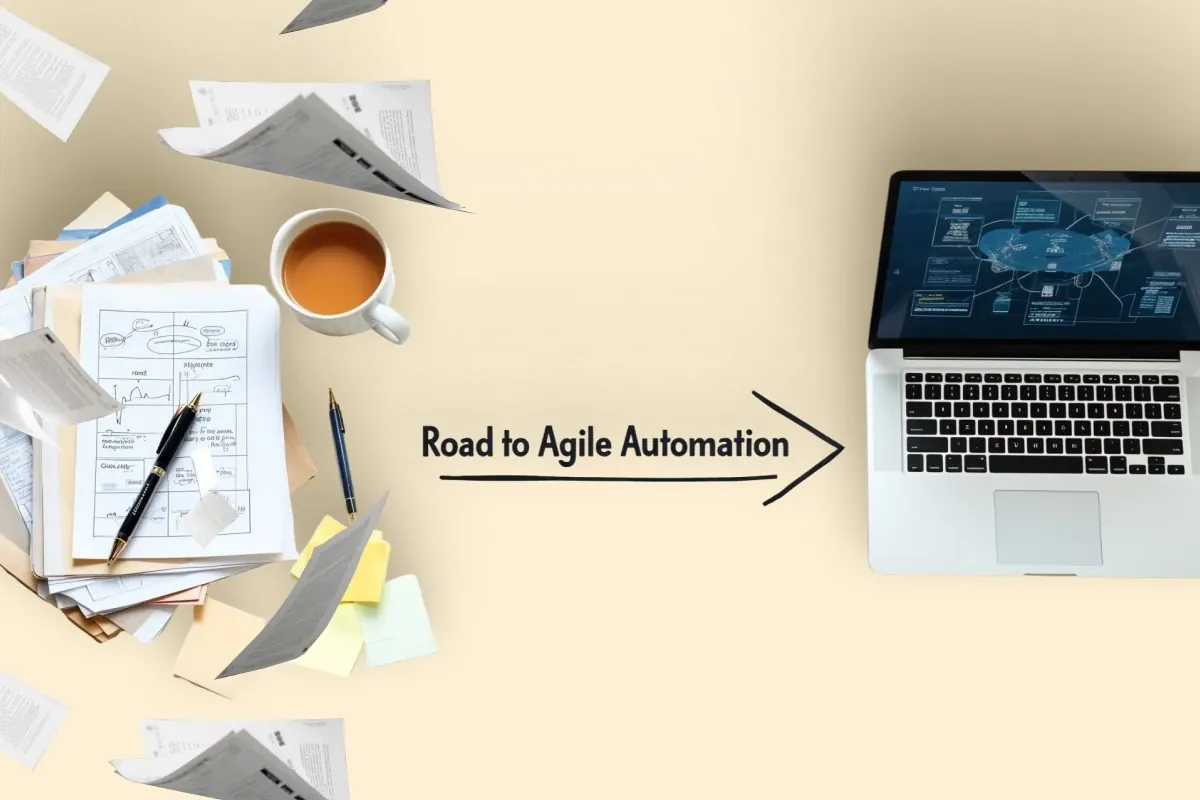

For the past decade, the core metric of success in insurance technology has been speed. The industry poured immense resources into accelerating front-end interactions: deploying fast submission portals, setting up basic robotic process automation (RPA) for intake, and building slick digital interfaces for brokers.
And in many ways, the investment worked. Workflows became more digitized. However, as carriers rush to inject LLMs and advanced AI integrations into their underwriting and claims pipelines, an uncomfortable reality has emerged: accelerating a bad decision doesn't protect your loss ratio – it destroys it.
The hard truth is that AI itself will not be your long-term competitive advantage. Much like the adoption of computers decades ago, AI is rapidly becoming a commodity, a baseline expectation. The real differentiator won't be the technology you buy, but how your people use it, and how deeply it is wired into your real, messy business logic. If an automated system processes a claim or evaluates a risk based on fragmented, unverified data, it simply scales operational leakage. Strategy without fast, precise delivery is just a draft.
The illusion of automation on fragmented architectures
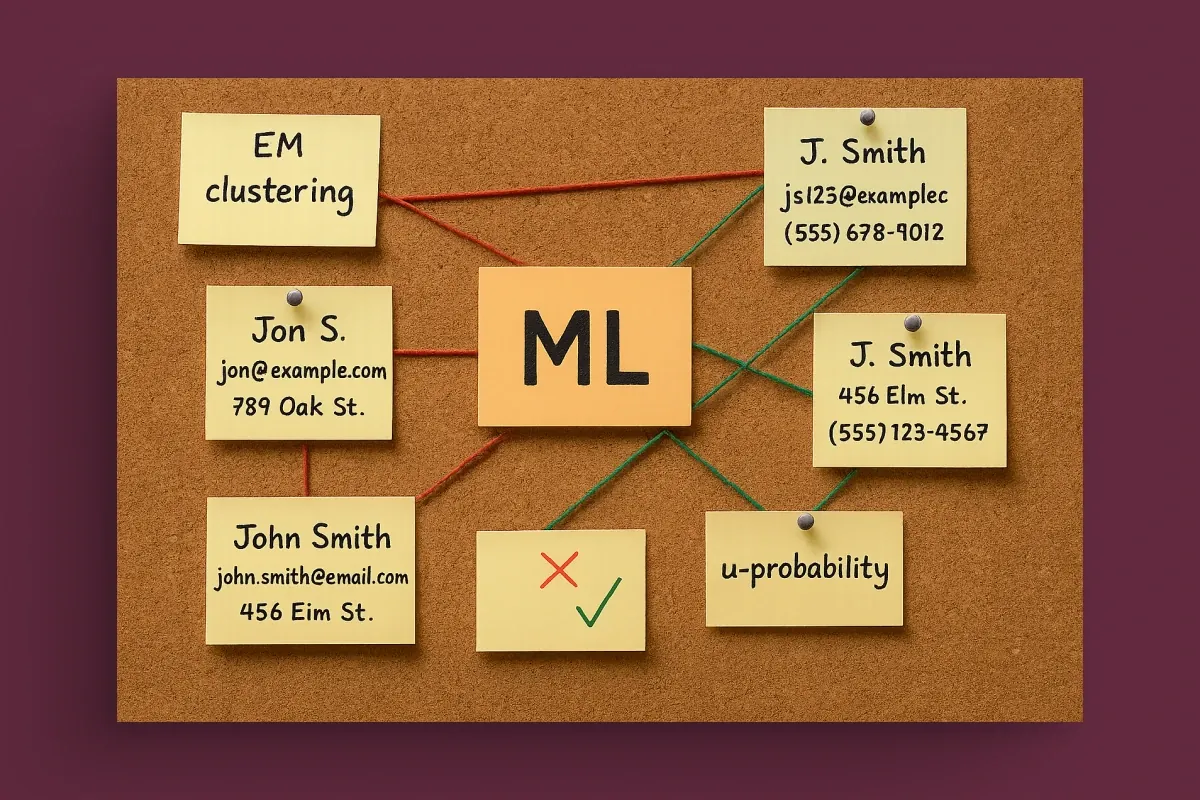
The average insurance carrier handles dozens of disconnected data streams feeding into their core premium and claims processes. This data is often locked away within disparate legacy core systems, undocumented databases, or regional software setups.
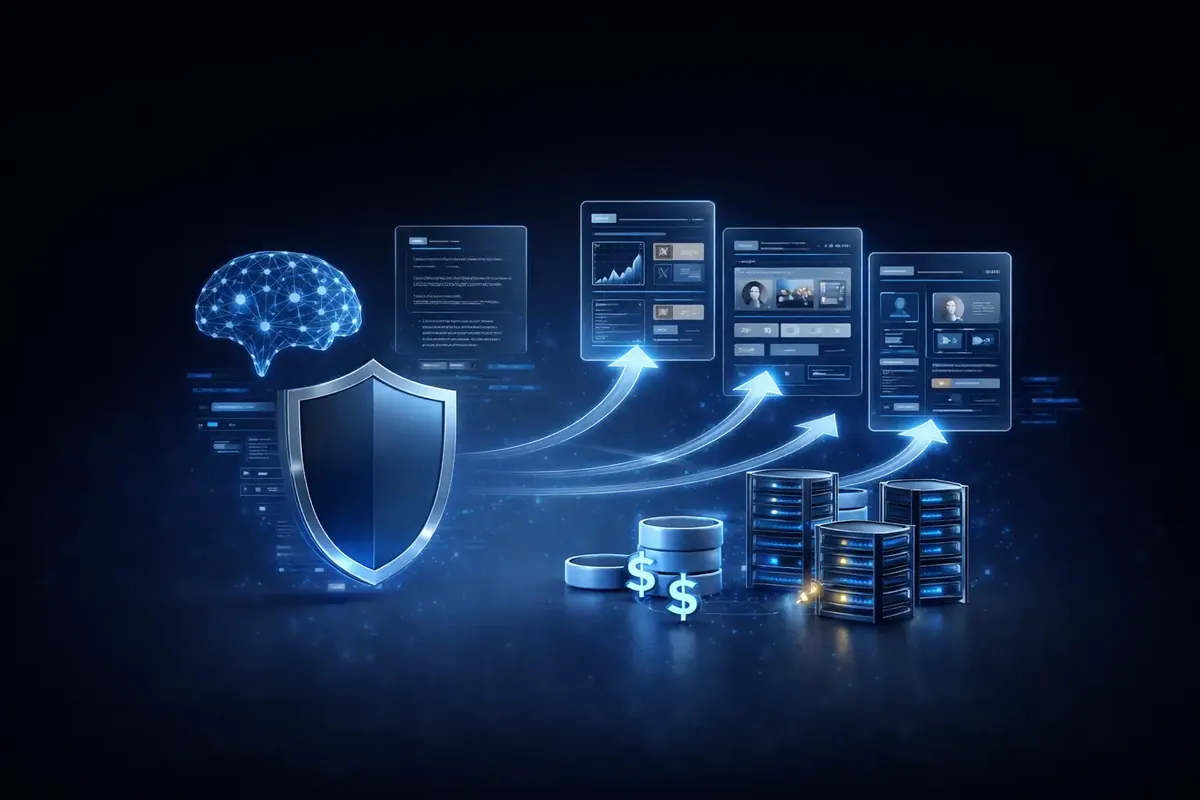
Furthermore, insurance is shifting from an annual renewal exercise to a continuous data business – a year-round conversation powered by real-time analytics. If your tech stack is fragmented, you cannot support this proactive, predictive model. When advanced AI models are layered directly onto a broken architecture, several issues systematically disrupt production performance:
- Data Re-keying and Duplication: Manual data intervention remains shockingly high because disparate systems do not share standardized API structures, forcing internal teams or brokers to act as manual data bridges.
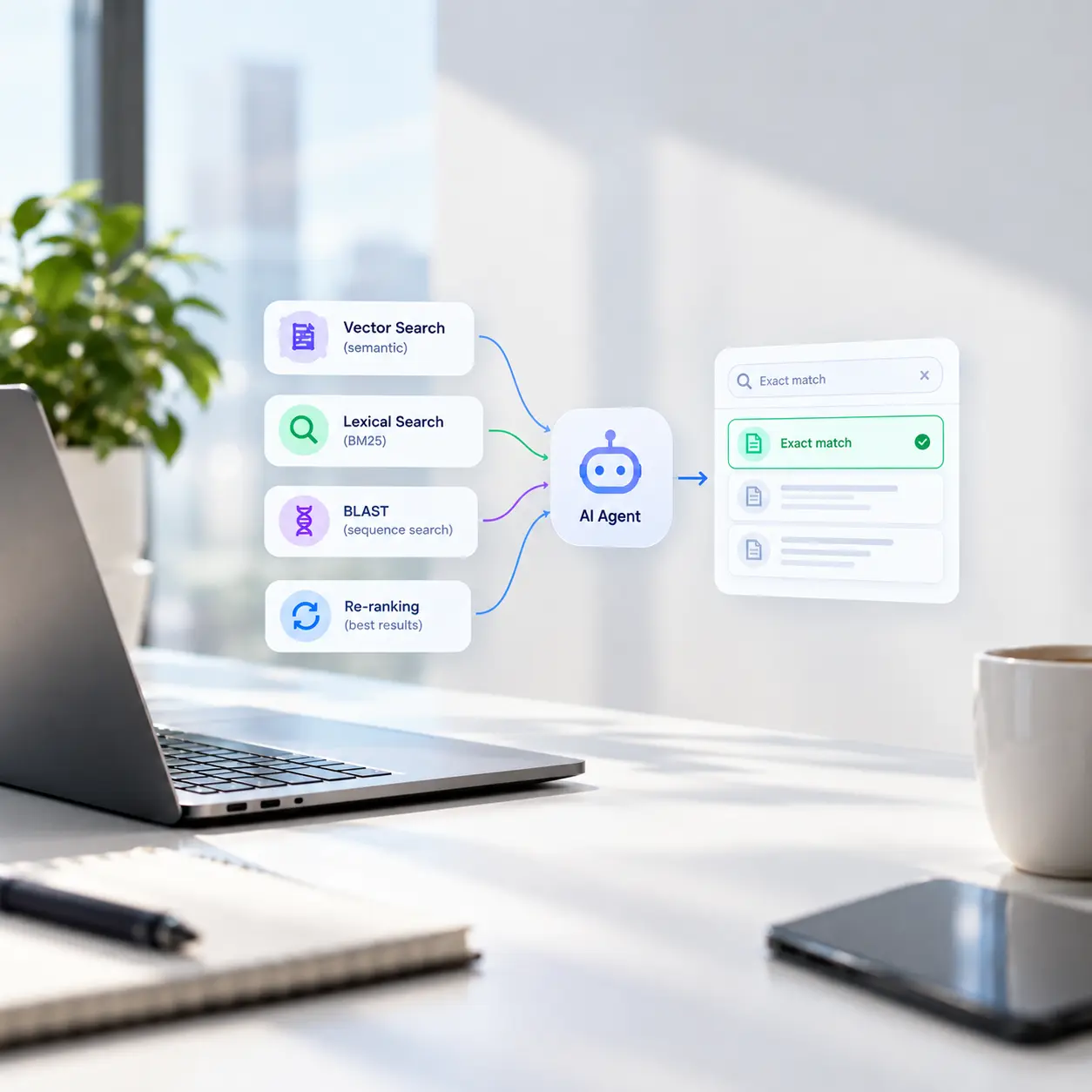
- Contextual Blindness: Generative AI models without a standardized semantic search framework cannot accurately cross-reference tribal knowledge, historical underwriting records, or complex, localized business rules.
- Silent Accuracy Decay: AI models trained or operated on unstructured, inconsistent data are highly prone to hallucinations, leading to incorrect automated triage and skewed risk scoring.
The Solution: Standardize the Data Foundation, Cut the Noise
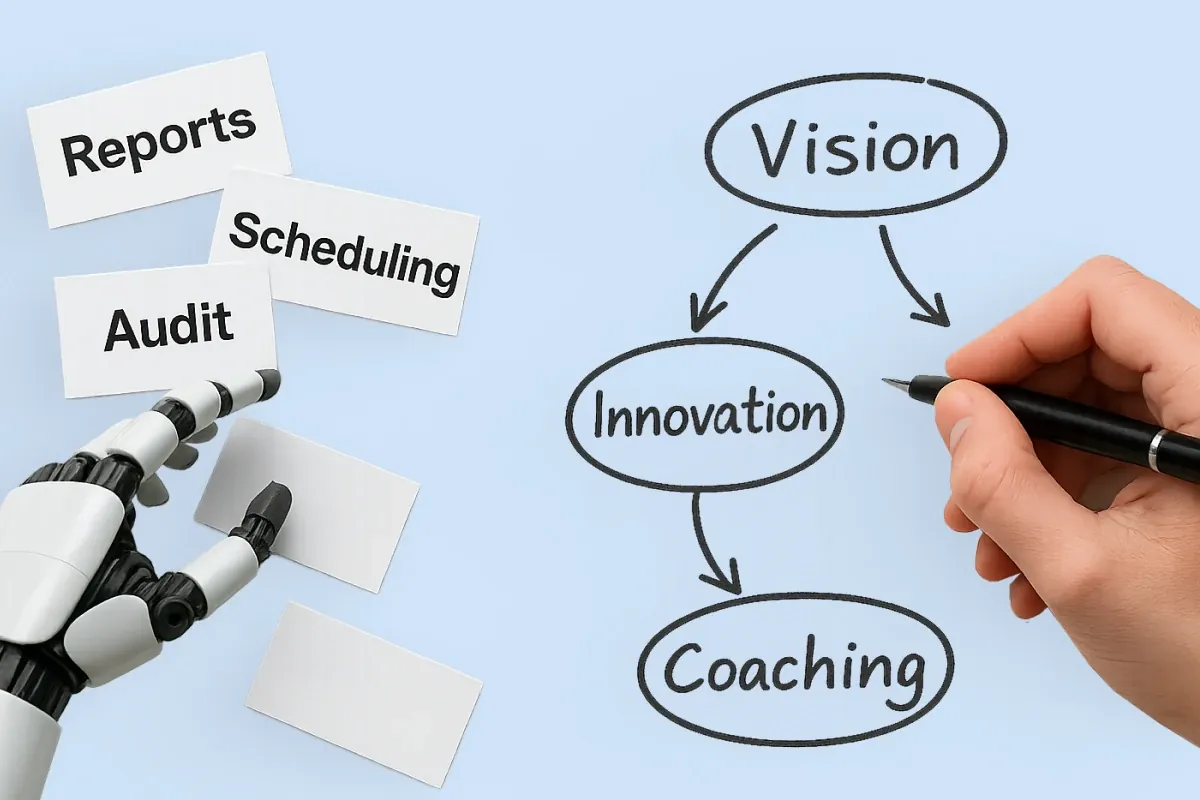
True operational efficiency is achieved when technology handles the peripheral mechanics of a file, allowing seasoned underwriters and claims professionals to apply their expert judgment where it matters most. The future belongs to companies with the best people using the best tools.
PwC recently analyzed over one billion job listings globally, and the findings destroy the "AI apocalypse" myth: companies deeply integrated with AI are expanding their headcounts twice as fast as those resisting it. AI isn't killing professions; it is splitting them into two tracks. It simplifies routine roles, but it makes strategic roles significantly more complex and valuable.
By taking over the grunt work – the manual file sorting, the basic data crunching – AI raises the stakes for the humans involved. In this new landscape, the premium on human judgment, empathy, and process orchestration skyrocketed. You can't just throw AI at a legacy stack and expect it to work without upgrading the execution capabilities of your team.
But to get to this well-orchestrated paradise, you don't need a 50-slide PowerPoint strategy from a global consultancy that overwhelms you with layers of management and heavy billing. You need lean, hands-on execution.
At Azati, our delivery methodology follows a strict rule: standardize the data foundation first, then build and operate AI on top.

1. Phased Legacy Modernization over "Big-Bang" Rewrites
Completely replacing core accounting or policy administration systems introduces massive operational risk. A more sustainable path is incremental modernization – from mapping legacy business logic and upgrading security protocols, to wrapping outdated platforms in clean, unified web APIs without incurring system downtime.
2. Mastering Complex, Custom Business Rule Languages
Enterprise-grade insurance environments often rely on deeply customized, proprietary business rule languages developed over decades. Successfully integrating modern software means dedicating engineering resources to fully understand, document, and extend these specialized codebases rather than trying to overwrite them blindly.
3. High-Throughput ETL and ELT Optimization
To feed AI models actionable data, back-office data engineering must be highly optimized. Redundant or conflicting entries must be reconciled via sophisticated data engineering logic, cutting execution runtimes for critical ledger extractions and portfolio reporting from hours down to minutes.
Moving Toward Production Durability
The next era of insurance transformation will not be defined by how fast data moves across a screen, or how many AI tools you claim to use. It will be defined by how accurately your organization can decide, and how effectively your talent can leverage data-driven insights.
When you replace the abstract "marketing fluff" and endless slide decks with hands-on experts who can automate a legacy process down to hours, you get real transformation. By building clean data pipelines, resolving legacy constraints, and focusing on data governance, insurance technology leaders can move past temporary pilots and establish durable, compliant, and highly profitable automated ecosystems.
Ready to audit your platform's AI readiness and clean up your data architecture? Contact Azati today to bypass the consulting theatre and speak directly with our senior insurance systems architects.