
SaaS is not dead, but it is changing. AI coding tools cut the cost of building internal software, and AI agents threaten the per-seat model most SaaS revenue depends on. Systems of record, regulated products and the cost of owning software still favor buying in many cases. The likely outcome is fewer, different subscriptions, not none.
Few phrases spread through boardrooms as fast as “SaaS is dead” did in 2026. Software stocks fell hard, analysts debated the end of per-seat pricing, and many CIOs started asking whether the next renewal should happen at all.
This article separates the signal from the noise. It covers why people say SaaS is dead, what AI changed and what it did not, and how vendors are responding. It ends with what the future of SaaS means for the next contract cycle. The overview reflects the market as of November 2026.
Key takeaways
- The SaaSpocalypse was a market repricing of the per-seat model, not proof that enterprise software is disappearing.
- AI agents break the link between headcount and license revenue, so vendors are moving to usage and outcome pricing.
- AI coding tools lowered the cost of a first version of internal software; the cost of owning and running it stayed.
- Gartner estimates that up to $234 billion of enterprise application spend is exposed to agentic AI through 2030, roughly 20% of enterprise application SaaS spending.
- Horizontal point tools with low switching costs are most at risk; vertical products with proprietary data are better protected.
- The practical answer for most companies is a per-tool decision: keep, renegotiate, replace or build on top.
What is SaaS, and why did the model win?
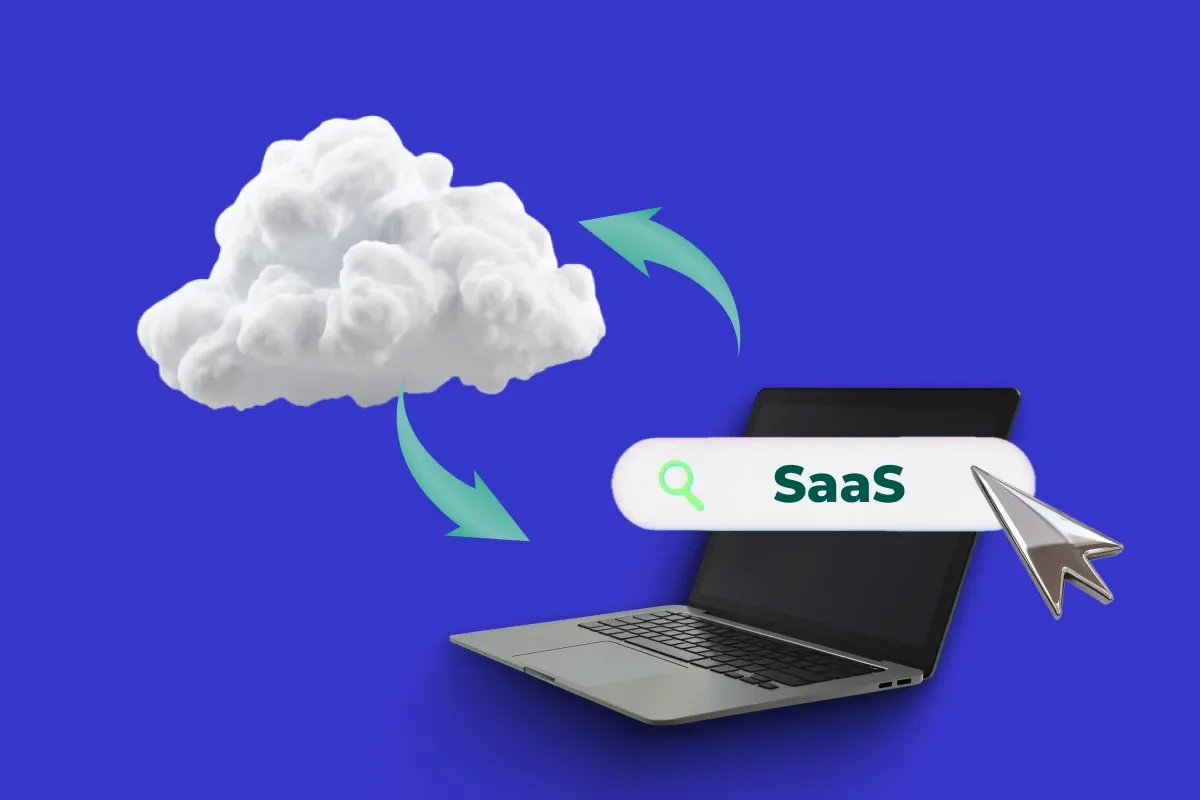
Software as a service is software that a company rents by subscription and uses in the browser, while the vendor hosts, updates and secures it. A short introduction to the model is available in SaaS: a beginner guide.
SaaS won because it removed the hardest parts of owning software: servers, upgrades, security patches and long implementation projects. A team could start the same day, and the price grew with the number of people using the tool.
That pricing logic is exactly what AI now puts under pressure. When software does part of the work instead of people, a price per person stops reflecting the value the product delivers.
Why do people say SaaS is dead? The SaaSpocalypse explained
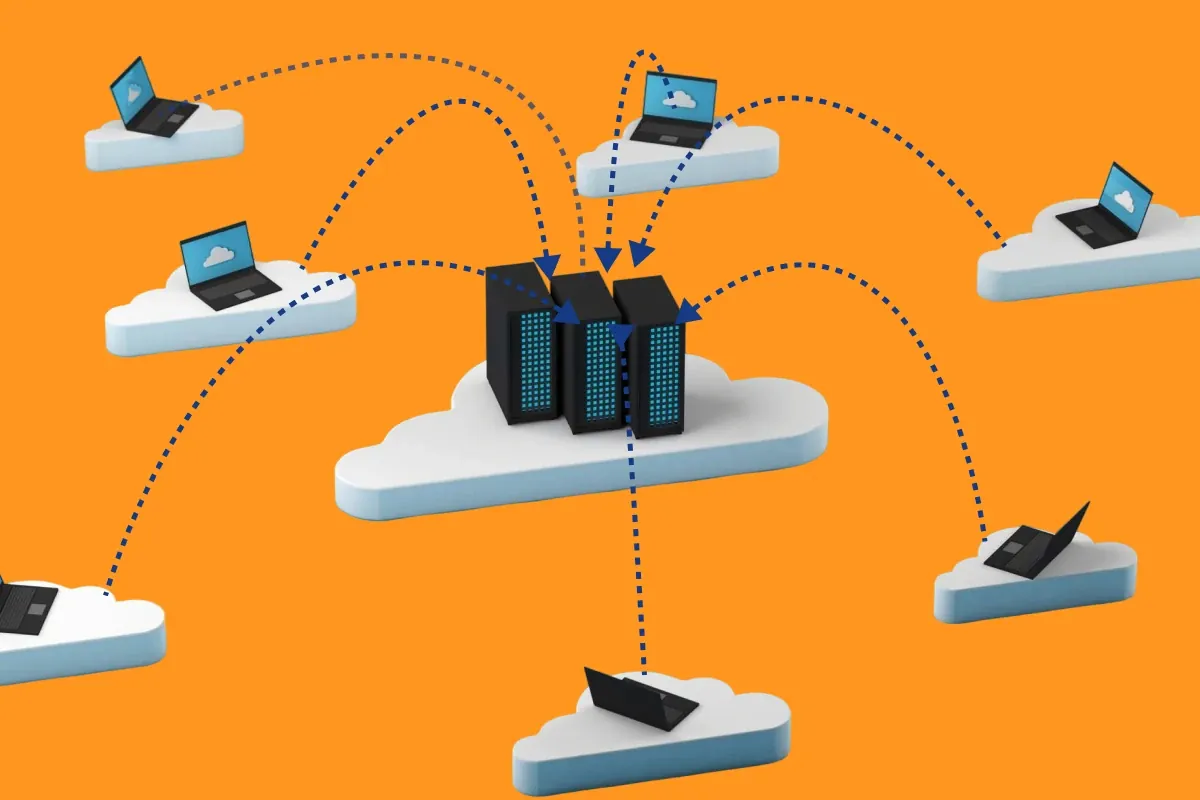
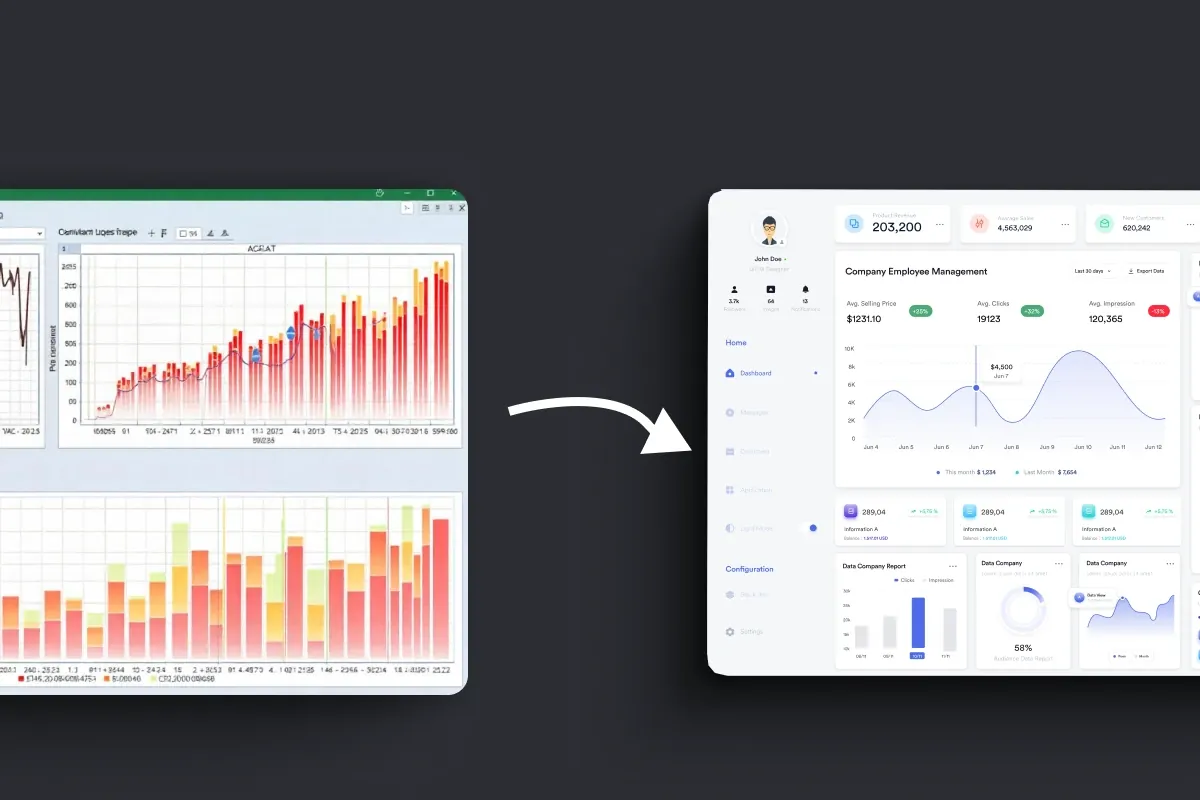
The phrase took off in early 2026, after a wave of AI agent products for everyday office work reached the market in January. Investors feared that agents performing tasks inside business systems would need far fewer human users, and per-seat subscriptions are priced by human users.
The SaaSpocalypse is the name investors gave to the software sell-off of early 2026, driven by fears that AI agents would replace per-seat SaaS. According to Forrester analysts led by Kate Leggett, Vice President and Principal Analyst, it erased over $1 trillion in software market value. That happened in a single week in February 2026. Their conclusion was more measured: SaaS in its current form is ending, but enterprise core systems will transform rather than disappear.
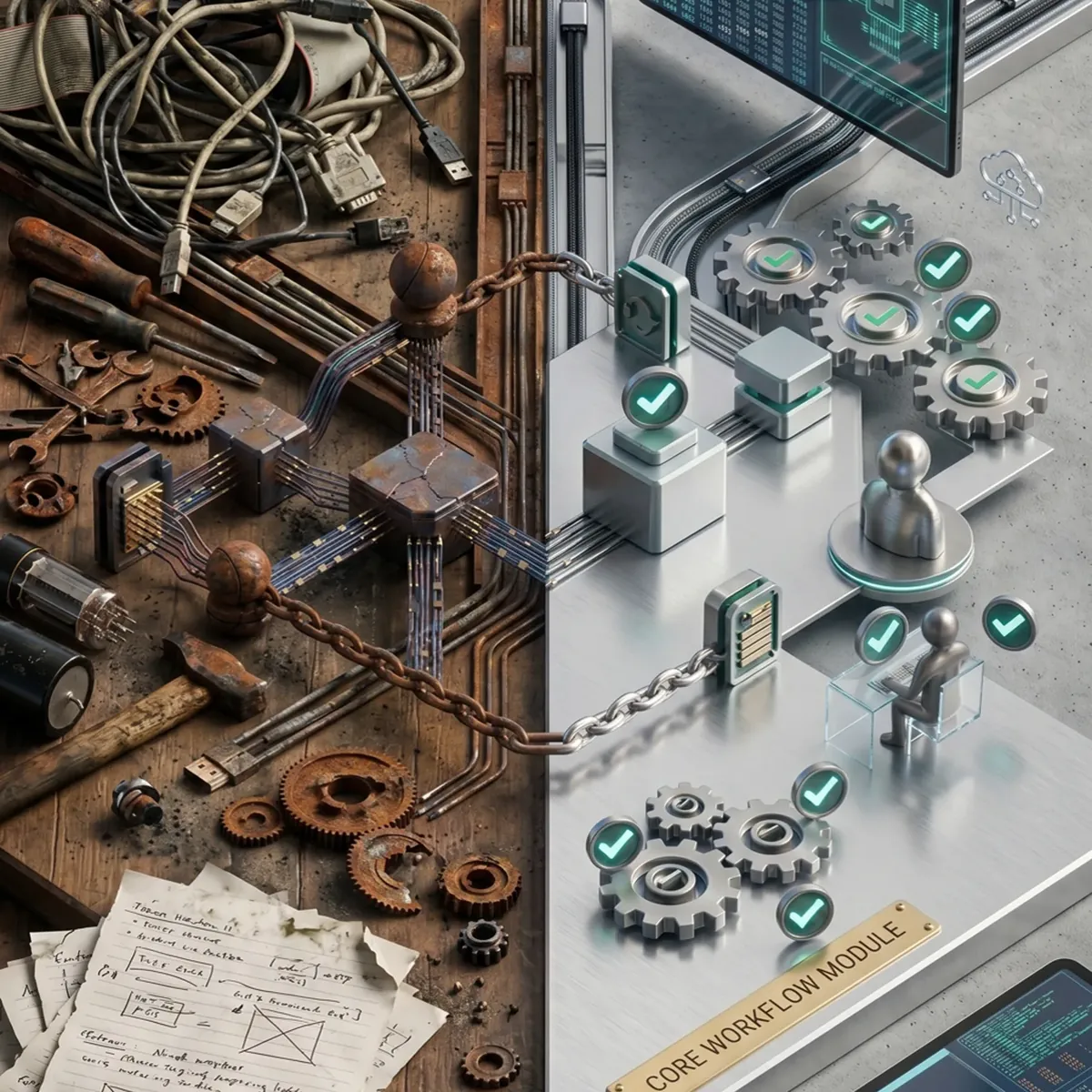
Two separate ideas sit behind the slogan. One is about pricing: agents break the link between headcount and license revenue. The other is about building: AI coding tools make it realistic for companies to create software they used to rent. Both are real, and neither means subscriptions vanish.
How do AI agents change the per-seat model?
A per-seat license charges for access: one person, one seat, one monthly fee. The model assumes that more work requires more people, and more people require more seats.
AI agents break that assumption. An agent can triage tickets, prepare reports or update records inside a business system, so the same volume of work needs fewer human seats. For the buyer, that looks like savings. For the vendor, it looks like shrinking revenue, which is why SaaS pricing is moving toward usage and outcomes.
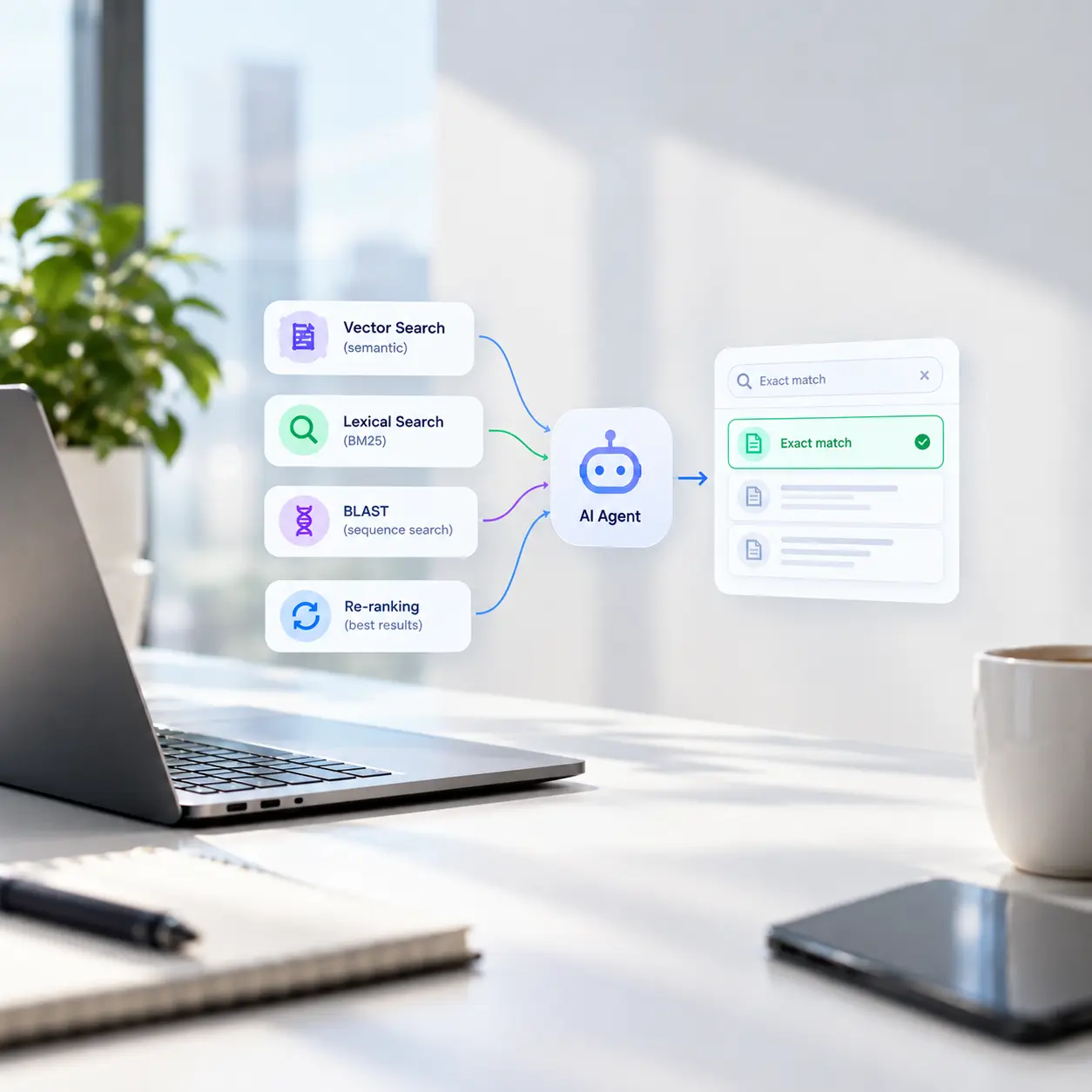
Agents also need somewhere reliable to work. They read and write data through APIs, follow permissions and leave audit trails. That is why Azati’s approach to agentic retrieval starts with the data layer. Moving agentic AI beyond the pilot also depends on the systems underneath.
What did AI coding tools change?
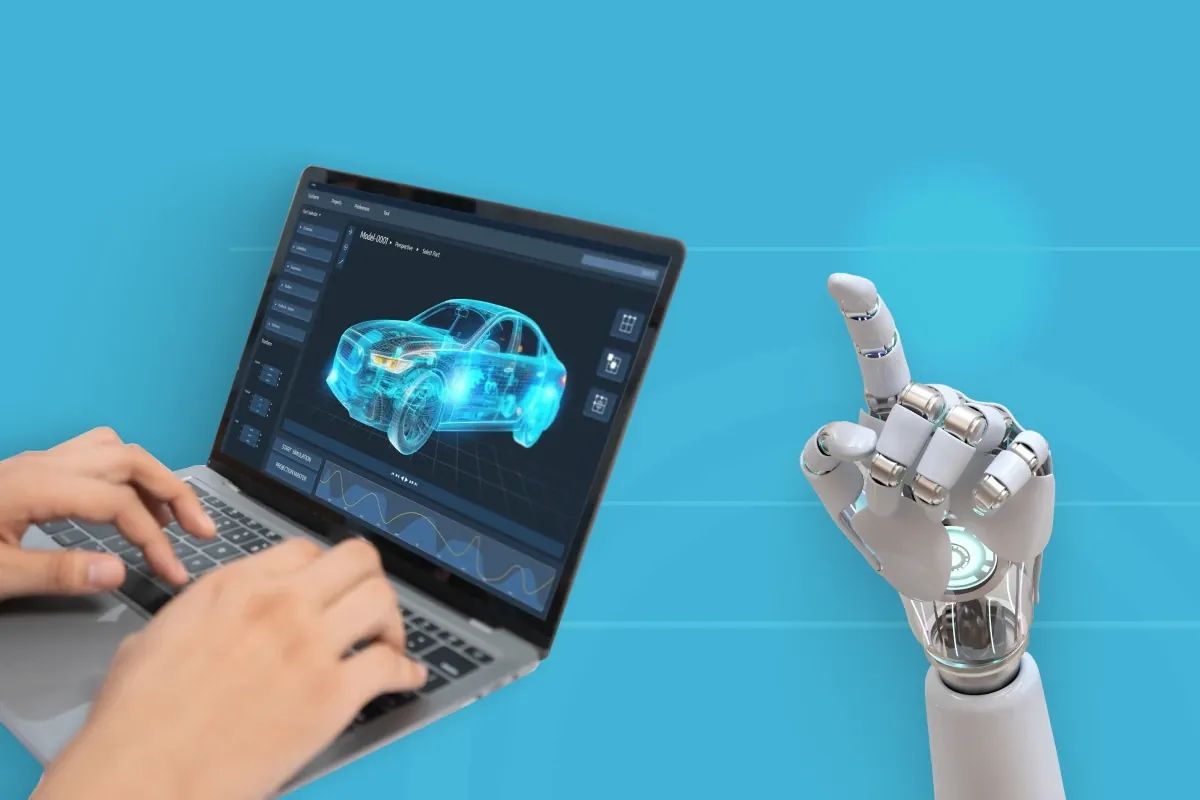
AI coding tools changed the economics of the first version. An approval flow, a dashboard or an operations portal that once needed a quarter of development can now reach a working prototype in weeks. Tools that were never worth a custom project are suddenly candidates for one.
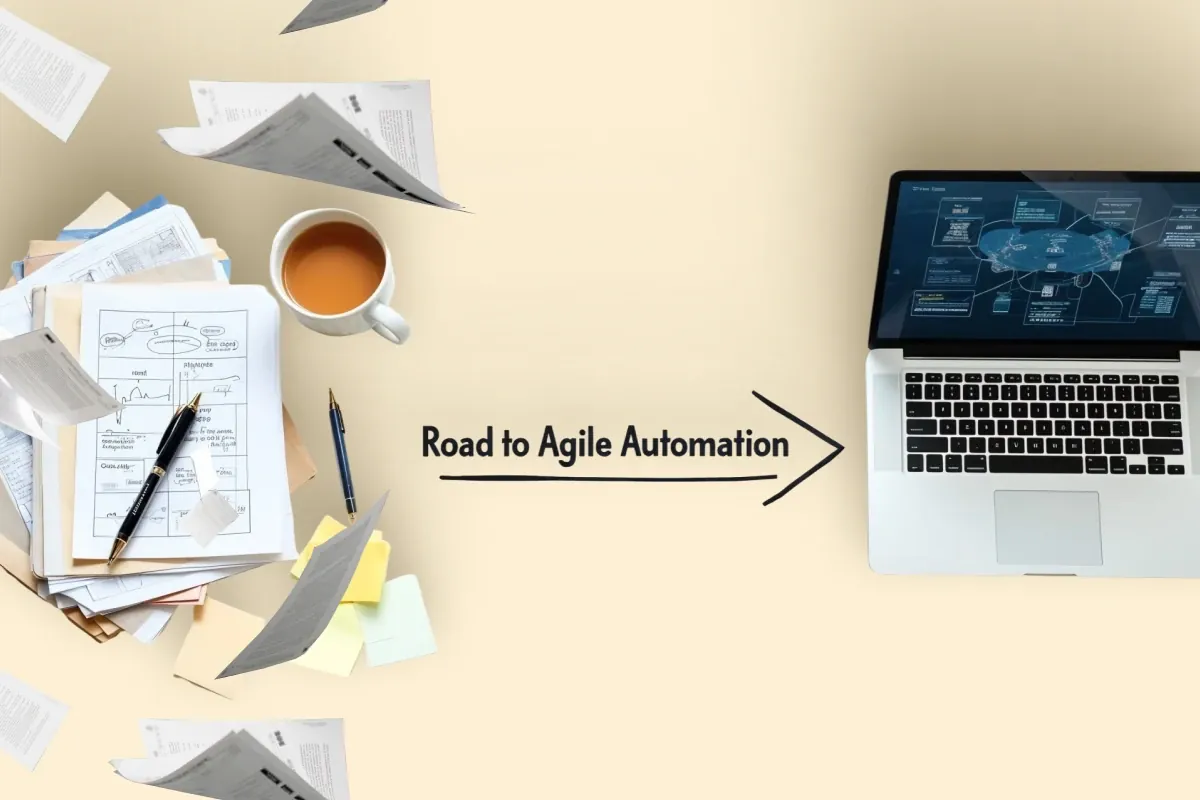
This is where “AI replacing SaaS” is most visible. Companies replace narrow subscriptions, where most users touch a small part of the product, with focused internal applications shaped around their own process. The decision logic is covered in build vs buy software, and Azati’s service to replace SaaS with AI-built software is built around this shift.
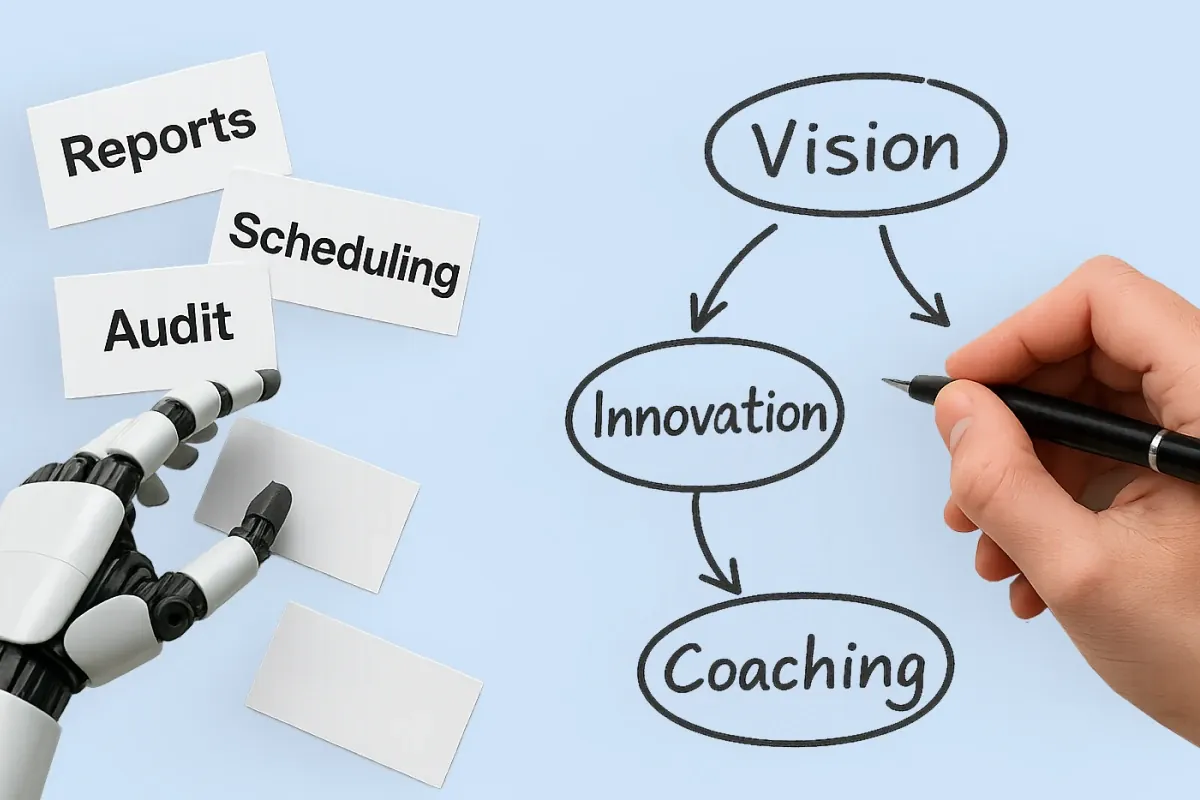
The change is also cultural. Business teams build their own tools with AI assistants, often outside IT. Engineers take on wider roles, as described in The Engineer Is Not Disappearing. The Engineer Is Expanding. That speed is useful, but it creates a new portfolio of applications that someone has to secure, maintain and eventually own.
What did not change?
The cost of owning software did not change. A working prototype still needs an architecture, access control, security updates, integrations, support and a named owner. Only then can it replace a product that a whole company relies on. The cost of maintaining an application continues long after launch, and AI shortens the first sprint, not the next five years.
The value of systems of record did not change either. Finance, payroll, compliance reporting and other regulated functions still benefit from specialist vendors that track legal changes for their customers.
Dependence did not disappear. A company can trade vendor lock-in for dependence on code nobody can maintain. Azati regularly sees AI-built applications that launched fast and then stalled under their own structure.
How are SaaS vendors responding to AI?
Vendors are rebuilding their products and their pricing at the same time. Gartner estimates that up to $234 billion of enterprise application spend is exposed to agentic AI between now and 2030. That is roughly 20% of enterprise application SaaS spending by then. George Brocklehurst, Managing Vice President at Gartner, notes that agentic AI “breaks the link between user growth and revenue growth” for many vendors. He calls the change “less an apocalypse and more of a metamorphosis.”
- Agents inside the product. Vendors embed agents at the point where work happens, so the product does tasks instead of only displaying them.
- New pricing. Per-seat contracts are moving toward usage-based and outcome-based models, including credits shared between people and agents.
- Data as the moat. Vendors with proprietary or domain-specific data defend their position better than generic point tools.
Which SaaS is most at risk, and which is not?
Risk depends on the type of product, not on the SaaS label. Forrester expects horizontal point solutions with low switching costs to be most exposed, while vertical, domain-specific vendors with proprietary data have better odds.
| Type of SaaS | Exposure to AI and in-house builds | Why |
|---|---|---|
| Horizontal point tools with simple workflows | High | Easy to rebuild or automate, low switching costs |
| Internal tools with high per-seat pricing | High | Most users need a small part of the product |
| Core systems of record such as ERP and finance | Moderate | Transform with embedded agents, hard to replace |
| Vertical products with proprietary data | Lower | Data and domain logic are hard to reproduce |
| Regulated functions such as payroll | Lower | Legal changes favor a specialist vendor |
What does it mean for CIOs in 2026?
For CIOs, the useful question is not whether SaaS is dead but which subscriptions still earn their price. A practical plan for the next contract cycle:
- Map the portfolio. List every SaaS contract with cost, active usage, overlap and renewal date.
- Avoid long lock-ins now. Prefer shorter terms while pricing models shift, and secure export rights and exit assistance.
- Renegotiate on the new pricing. Ask how agent usage is priced and whether seats will still reflect value in two years.
- Decide per tool. Keep, renegotiate, replace with owned software, or build a custom layer on top of a trusted system. A SaaS cost and build vs buy assessment gives this decision a number for each tool.
- Govern what teams build. Register internal AI-built applications and set review rules before they become critical, in line with generative AI governance.
What does a SaaS replacement look like in practice?
A SaaS replacement is a sequence of stages, not a single switch. Azati runs it in four:
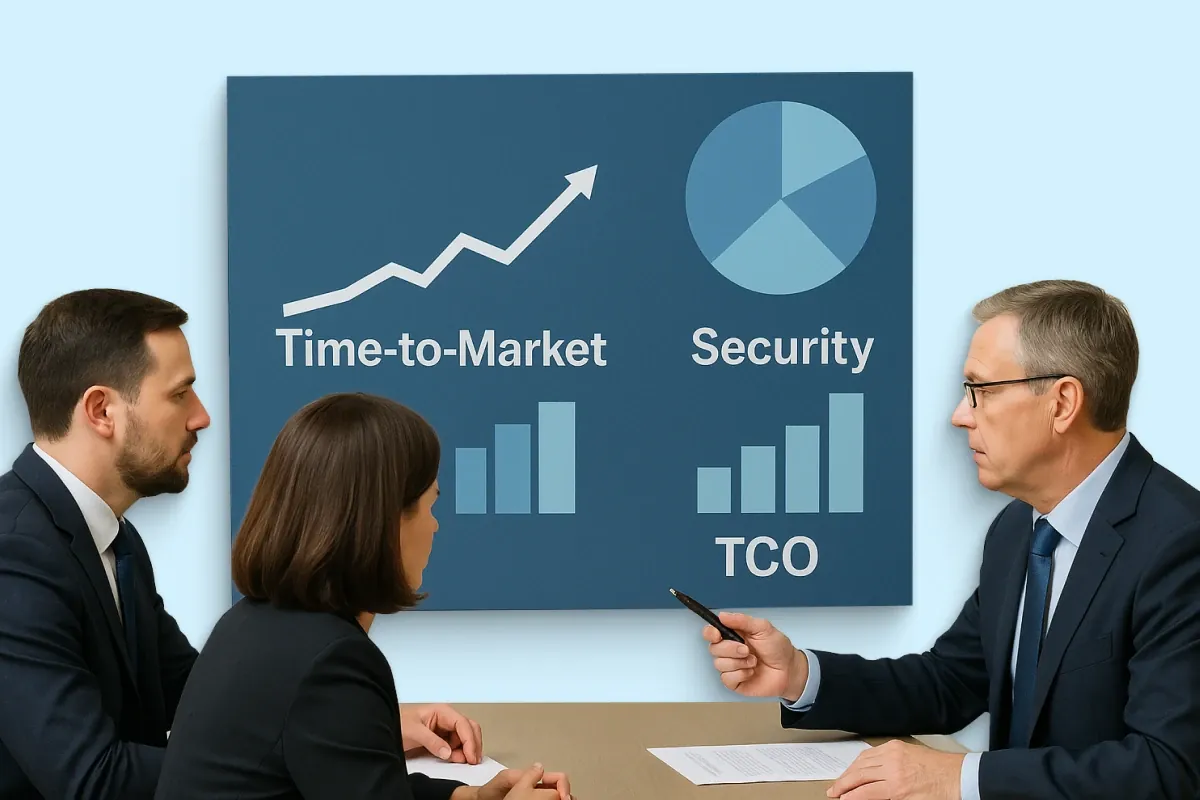
- Assessment. Usage, license cost, processes and data are mapped for each tool, with a three-year TCO and a build, buy or hybrid recommendation.
- Readiness. Target architecture, AI-ready data, security guardrails and review rules are prepared, so in-house teams or Azati can build safely.
- Delivery. The new application is built with AI-accelerated development, senior review and automated tests; data migrates and both systems run in parallel.
- Operation. The old subscription is decommissioned, and the new software is run and developed by the company’s team or under Azati’s managed operation.
Each stage ends with a clear result, and many companies keep some tools after the assessment because the numbers favor buying. The full engagement model is described on the SaaS replacement service page.
How has Azati handled the same shift?
Owned tools inside Azati
Azati applies this approach to its own operations. The company runs an internal AI-first platform and is moving CRM functionality from a third-party SaaS product into it. An in-house HR management system is being built on the same foundation. Project tracking, time logging and leave management for its 380+ person team already run on a custom project management platform that Azati owns.
Other internal tools follow the same principle, such as an AI-based CV matching tool that pairs candidates with projects. The lesson so far matches the market: replacing a subscription pays off when the new software is designed around the company’s process and data, not when it copies the tool it replaces.
Agents and AI on top of existing systems
Many client projects extend trusted systems instead of replacing them. Azati modernized an enterprise engineering project governance platform in an oil and gas security environment, enhancing six core platform domains. For another client, Azati built a secure LLM that works on top of the company’s existing knowledge.
SaaS replacement, decided per tool
Azati turns the SaaS debate into numbers. Its SaaS replacement service starts with a cost and build vs buy assessment for each tool. Azati then prepares data and guardrails for in-house teams or delivers the full cycle, from build and data migration to decommissioning. Where agents add more value than a new interface, Azati designs them through agentic AI engineering, on top of the systems a company already trusts.