Enterprise Marketplace Modernization for an Online Auction Platform

How can online auction platforms modernize legacy commerce systems without interrupting active marketplace operations?

Azati helped a European online auction marketplace resume active development of its supplier platform while modernizing the underlying architecture. Instead of replacing the existing system, the engagement combined incremental legacy modernization, microservices development, asynchronous transaction processing, and platform performance optimization, enabling continued product evolution without disrupting live auction operations.

Rather than focusing solely on new feature delivery, Azati helped establish a more scalable engineering foundation for growing marketplace activity, continuous releases, and future platform expansion.

Discuss my commerce system modernization
Platform responsiveness

Improved through API optimization

Legacy Java

Incrementally modernized

Event-driven

Marketplace architecture

Technologies used

Python
Python
FastAPI
FastAPI
Next.js
Next.js
React
React
RabbitMQ
RabbitMQ
PostgreSQL
PostgreSQL
Azure AKS
Azure AKS
GitHub Actions
GitHub Actions
Argo CD
Argo CD
Docker
Docker
Kubernetes
Kubernetes
SQLAlchemy
SQLAlchemy
Alembic
Alembic
Socket.IO
Socket.IO

The project's specifics

Marketplace platforms rarely fail because of missing functionality. They slow down when legacy architecture makes continuous product development increasingly difficult. As transaction volumes and marketplace capabilities grow, organizations must modernize backend services, improve scalability, and preserve business continuity without disrupting operations.

The client operated a European online auction marketplace where suppliers publish inventory and buyers compete through real-time bidding. The payment platform managed auction lifecycles, bid processing, supplier interactions, financial transactions, invoice generation, and customer communications across interconnected services.

To resume active product development, the organization launched incremental marketplace modernization, migrating core functionality from a legacy Java codebase to a scalable microservices architecture. Azati joined the engineering team to modernize the platform while maintaining continuous marketplace operations and feature delivery.

How can online marketplaces modernize legacy auction platforms while continuing product development?

The marketplace required simultaneous modernization across multiple areas while maintaining uninterrupted auction operations. Replacing the existing platform was not an option because auction activity, supplier operations, and transaction processing needed to continue throughout development.

Challenge 01

Modernizing legacy marketplace services

Existing Java components needed gradual migration toward modern Python-based services without disrupting interconnected marketplace workflows.

#1
Challenge 02

Supporting high-volume marketplace transactions

Auction bidding, purchase transactions, invoice generation, and customer communications required reliable processing throughout ongoing modernization.

#2
Challenge 03

Improving marketplace responsiveness

As marketplace functionality expanded, engineering teams needed to reduce API optimization bottlenecks and improve overall application responsiveness.

#3
Challenge 04

Establishing a scalable event-driven architecture

The client sought to replace tightly coupled service interactions with asynchronous event-driven communication supporting future marketplace growth.

#4

Why do marketplace companies choose Azati for platform modernization?

Incremental modernization without interrupting marketplace operations

Rather than replacing an operational commerce platform, Azati helped modernize individual platform domains while allowing buyers, suppliers, and internal teams to continue using the system.

Modern event-driven platform architecture

Azati helped evolve tightly coupled services toward asynchronous communication, improving scalability while reducing operational dependencies between marketplace domains.

AI-assisted engineering practices

The delivery process incorporated AI-assisted software engineering to accelerate troubleshooting, code analysis, implementation, and developer productivity while maintaining established engineering standards.

Modernize marketplace platforms without disrupting business operations

Azati helps marketplace and commerce companies modernize legacy applications, migrate toward scalable microservices, improve transaction processing, and establish maintainable engineering foundations that support continuous product evolution.

Discuss your marketplace modernization initiative

How Azati modernized the marketplace platform

Rather than rebuilding the platform from scratch, Azati supported the client's long-term modernization initiative through incremental engineering improvements. The engagement combined legacy modernization, new microservices development, frontend enhancement, asynchronous transaction processing, and platform optimization while preserving uninterrupted marketplace operations.

Alongside product development, the team helped strengthen the platform's engineering foundation by improving service communication, reducing API bottlenecks, and introducing more scalable architectural patterns that support continued marketplace evolution.

Key capabilities:
  • Marketplace platform modernization
  • Legacy Java modernization
  • Python microservices development
  • Marketplace transaction processing
  • Auction engine enhancement
  • Event-driven architecture
  • Frontend modernization
  • Performance optimization
  • Developer productivity enablement
01

Marketplace transaction processing

The marketplace relies on reliable processing of bids, purchases, invoices, and customer notifications throughout the auction lifecycle. Azati expanded backend services supporting auction transactions while improving responsiveness and maintaining operational stability as new functionality was introduced.

Key capabilities:
  • Auction transaction processing
  • Bid management
  • Purchase workflows
  • Financial transactions
  • PDF receipt generation
  • Email notifications
02

Legacy modernization and microservices evolution

Rather than replacing the platform, the client incrementally migrated legacy Java functionality toward modern Python services. Azati contributed to this ongoing modernization by developing new microservices while helping preserve compatibility with existing platform components.

Key capabilities:
  • Legacy Java modernization
  • Python services
  • Microservices architecture
  • Domain isolation
  • Incremental migration
  • Platform modernization
03

Event-driven marketplace architecture

Marketplace services increasingly relied on asynchronous communication instead of tightly coupled service interactions. Azati helped expand event-driven architecture, improving scalability while reducing dependencies between business domains.

Key capabilities:
  • RabbitMQ
  • Event-driven architecture
  • Asynchronous processing
  • Background workers
  • Domain events
  • Service communication
04

Marketplace performance optimization

As the platform continued evolving, improving responsiveness became an important engineering objective. Azati optimized backend processing, reduced inefficient data access patterns, and helped eliminate performance bottlenecks affecting marketplace operations.

Key capabilities:
  • API optimization
  • Performance tuning
  • Query optimization
  • Reduced API load
  • Database efficiency
  • Scalable backend services
05

Marketplace platform engineering

Beyond feature development, Azati contributed to the engineering platform supporting continuous delivery across multiple marketplace domains. The engagement included backend development, frontend improvements, platform integration, and ongoing engineering support across the product ecosystem.

Key capabilities:
  • Platform engineering
  • Full-stack development
  • Next.js
  • React
  • FastAPI
  • PostgreSQL
06

AI-assisted software engineering

The engineering team incorporated AI-assisted development practices throughout delivery. Internal engineering documentation, development guidelines, and AI agents accelerated troubleshooting, log analysis, implementation, and code generation while maintaining established standards.

Rather than becoming part of the marketplace product itself, AI strengthened engineering productivity and shortened development feedback cycles.

Key capabilities:
  • AI-assisted development
  • Log analysis
  • Code generation
  • Developer productivity
  • Engineering automation
  • Internal knowledge management

What Azati did

AreaAzati contribution
Marketplace modernizationContinued active development of the auction platform
Legacy modernizationParticipated in migration from legacy Java services to Python microservices
Backend engineeringDeveloped services supporting auction transactions and marketplace workflows
Frontend developmentEnhanced customer-facing functionality using Next.js and React
Event-driven architectureExpanded asynchronous communication using RabbitMQ
PerformanceOptimized APIs and reduced inefficient database access patterns
Marketplace transactionsEnhanced bid processing, purchase workflows, and receipt generation
Platform engineeringSupported multiple marketplace domains across the microservices ecosystem
AI-assisted engineeringApplied AI tools for troubleshooting, code analysis, and implementation
DeliveryWorked within Scrum alongside the client's engineering organization

Operational challenges

Modernizing an active marketplace without interrupting auctions

Platform improvements needed to be introduced while suppliers continued listing inventory, buyers participated in live auctions, and transaction processing remained uninterrupted.

Incrementally replacing legacy services

Modern services needed to coexist with legacy Java components throughout migration while maintaining compatibility across interconnected marketplace domains.

Scaling marketplace performance

As additional marketplace capabilities were introduced, backend services required continuous optimization to maintain app responsiveness and reduce infrastructure load.

Coordinating distributed microservices

The platform relied on multiple business domains, including bidding, finance, supplier operations, user management, and communications. These needed reliable interaction without creating tight service dependencies.

Accelerating delivery through AI-assisted engineering

The engineering team incorporated AI-assisted development into everyday workflows, improving troubleshooting, implementation, and developer productivity while maintaining engineering quality standards.

Modernize marketplace platforms while keeping business operations running

Azati helps marketplace, commerce, and digital platform companies modernize legacy applications, evolve toward event-driven architectures, improve transaction processing, and establish scalable engineering foundations for continuous product development.

Discuss your marketplace modernization

Key delivery outcomes

AreaOutcome
Engagement modelEmbedded engineering partnership
Marketplace modernizationActive product evolution resumed
Legacy modernizationJava-to-Python migration supported
Marketplace architectureEvent-driven communication expanded
Platform responsivenessPerformance optimization implemented
Transaction processingModernized and stabilized
Engineering productivityAI-assisted development adopted
DeliveryContinuous sprint-based releases

Results & business impact

Reliable marketplace operations during modernization

Auction transactions, purchase workflows, invoice generation, and customer communications continued operating throughout the modernization program. The client improved the underlying platform without interrupting day-to-day marketplace operations.

Improved marketplace responsiveness

API optimization and more efficient backend processing reduced performance bottlenecks introduced by the legacy architecture. As a result, the platform became more responsive while supporting continued marketplace growth.

Continuous platform evolution

The client resumed active platform development while incrementally migrating legacy Java services toward modern Python microservices. New functionality was delivered alongside modernization, allowing the platform to evolve without disrupting marketplace operations.

Faster engineering delivery

Modern engineering practices, asynchronous processing, and AI-assisted software development accelerated implementation, troubleshooting, and day-to-day workflows, allowing the product team to iterate more efficiently.

Strategic impact

Lower modernization risk

Rather than replacing a business-critical marketplace, the client modernized the platform incrementally while keeping product development moving. This reduced delivery risk and avoided the disruption associated with large-scale platform replacement.

Preserved marketplace continuity

Auction operations, supplier workflows, transaction processing, and customer-facing services remained operational throughout the engagement. The platform continued evolving without interrupting day-to-day marketplace activity.

Stronger engineering scalability

The combination of legacy modernization, microservices, asynchronous communication, and AI-assisted engineering created a more maintainable platform. Engineering teams could deliver new functionality while supporting ongoing modernization efforts.

Foundation for future platform evolution

Incremental migration from legacy Java services to Python microservices established a scalable architecture that supports onboarding more suppliers, higher bidding activity, and marketplace capabilities growth.

Longer architecture runway

Modern engineering patterns, including event-driven communication and loosely coupled services, reduced future modernization effort. The client gained an architecture that can evolve without requiring another large-scale platform redesign.

Engagement & delivery

Azati worked as an embedded engineering partner within the client's Scrum delivery organization, contributing full-stack engineering across backend services, frontend development, and marketplace platform evolution.

The Azati team participated in the continuous modernization of the platform, implementing sprint-based enhancements while preserving production stability across active marketplace operations.

Relevant expertise:

  • Marketplace platform modernization
  • Online auction platform development
  • E-commerce platform modernization
  • Legacy Java modernization
  • Python microservices migration
  • Marketplace transaction processing
  • Auction engine development
  • Event-driven architecture
  • RabbitMQ implementation
  • Marketplace performance optimization
  • API optimization
  • Asynchronous transaction processing
  • Marketplace platform engineering
  • Full-stack marketplace development
  • Developer productivity
  • AI-assisted software engineering
  • Engineering workflow automation
  • Digital commerce modernization
  • Commerce platform scalability
  • Incremental legacy modernization

Explore Azati's related marketplace, commerce, and platform modernization expertise

Get a snapshot of our recent projects and see how Azati delivers measurable results for our clients.

Shopify App Modernization for Scalable Merchant Growth
Retail & E-commerce

Shopify App Modernization for Scalable Merchant Growth

99% crash-free application stability
3x faster feature delivery cycle
45% increase in merchant engagement
  • Ruby on Rails
  • Vue.js
  • GraphQL
  • Shopify API
  • AWS Lambda
  • Shopify app development

Business challenge

To support continued growth, a Shopify application required modernization to resolve architectural bottlenecks, including unclear service boundaries and a lack of automated testing. The objective was to stabilize the application and improve development efficiency to support thousands of stores during peak traffic periods.

Solution at a glance

Azati modernized the application by simplifying its architecture, implementing automated QA, and introducing reliable CI/CD pipelines. This engagement transformed the platform into a stable, maintainable solution capable of supporting faster feature delivery and high-traffic retail events.

How Azati solved the challenge

  • Platform architecture modernization: simplified the application's architecture, clarified component responsibilities, improved documentation, and established a maintainable technical foundation that reduced operational complexity and supported future product growth
  • Automated quality assurance: implemented comprehensive automated testing, continuous integration, and deployment pipelines that significantly improved release reliability while reducing the risk of regressions during ongoing product development
  • Merchant engagement capabilities: developed customizable customer engagement features that allow Shopify merchants to display dynamic notifications, promotional messages, and personalized interactions designed to improve customer engagement and increase sales
  • Scalable Shopify infrastructure: optimized the technology stack by combining Ruby on Rails, Vue.js, AWS Lambda, GraphQL, and multiple database technologies to support high-traffic e-commerce events while maintaining application performance and reliability
  • Product delivery optimization: worked closely with product stakeholders to define development priorities, improve planning processes, establish a sustainable roadmap, and accelerate the delivery of new platform capabilities

Business outcome

  • Higher platform stability: delivered a highly reliable Shopify application with significantly improved stability, reducing operational disruptions for merchants while providing a stronger foundation for continuous product development
  • Faster product innovation: automated testing, improved development workflows, and clearer architecture enabled substantially faster feature delivery while maintaining software quality
  • Better merchant engagement: customizable customer interaction capabilities helped merchants improve customer engagement and create more personalized shopping experiences across their online stores
  • Greater operational scalability: the modernized platform can reliably support high transaction volumes and peak retail events such as Black Friday and Cyber Monday without requiring significant architectural changes
  • Sustainable long-term modernization: established modern engineering practices, comprehensive documentation, and maintainable architecture that enable the client to continue evolving the Shopify application with lower delivery risk and greater development efficiency
Enterprise Banking Platform Modernization for SME Digital Banking
Banking & Finance

Enterprise Banking Platform Modernization for SME Digital Banking

3x faster SME payment settlement
1M+ payments processed daily after platform scaling
94% reduction in manual payment processing errors
  • Java
  • Kotlin
  • Spring Boot
  • Apache Kafka
  • OpenShift
  • Microservices modernization

Business challenge

A financial institution needed to modernize its monolithic SME banking platform to resolve scalability and performance bottlenecks, ensuring the system could support high transaction volumes and enable rapid digital evolution.

Solution at a glance

Azati modernized the enterprise banking platform through microservices adoption, payment optimization, and automated delivery. This transformation delivered a scalable, reliable system that significantly increased payment processing capacity and operational efficiency for SME banking.

How Azati solved the challenge

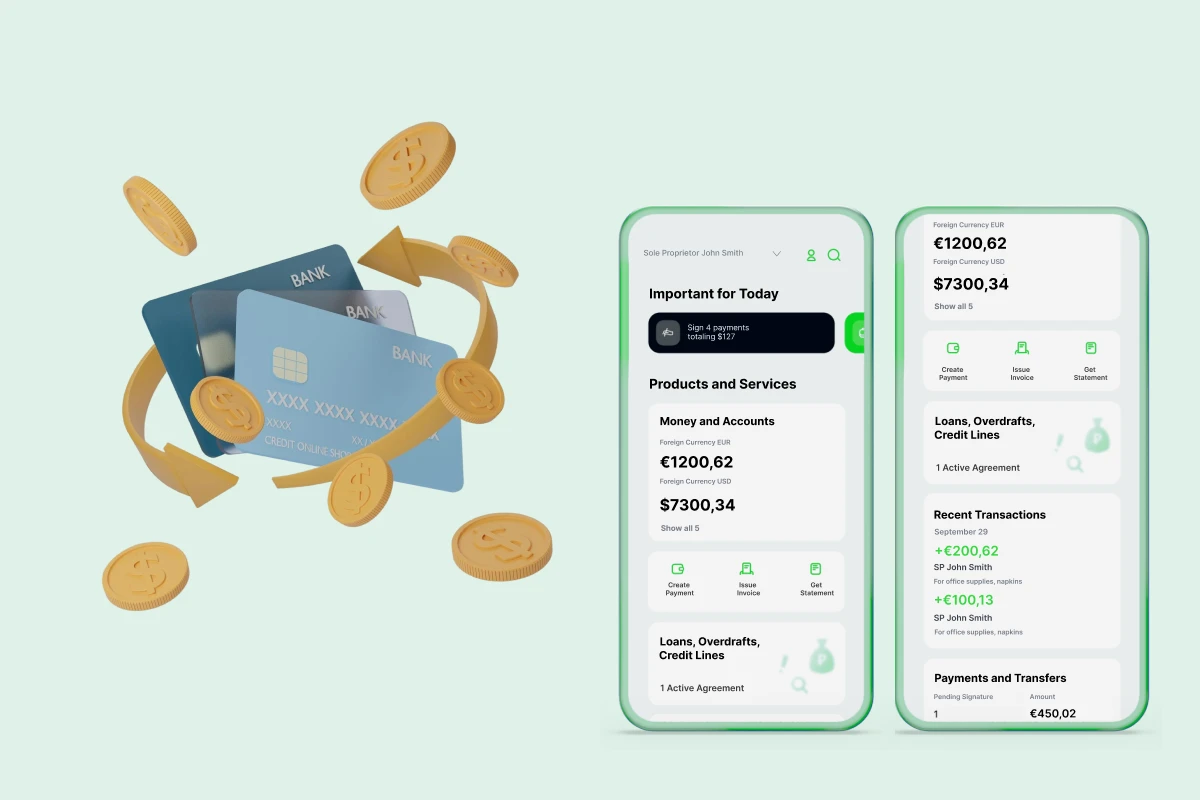
  • Enterprise payment platform modernization: developed and enhanced core payment services supporting multiple payment channels, account operations, transaction processing, and financial reporting, enabling faster and more reliable banking services for SME customers
  • Microservices architecture transformation: supported the migration from a legacy monolithic platform to a modern microservices architecture, improving scalability, service isolation, deployment flexibility, and long-term maintainability while enabling continuous platform evolution
  • High-volume transaction processing: optimized platform performance and implemented event-driven processing using distributed messaging technologies to support rapidly growing payment volumes while maintaining low latency, platform reliability, and operational resilience
  • Platform stability and operational resilience: established engineering practices focused on high availability, production monitoring, incident response, and performance validation, ensuring uninterrupted banking services during periods of peak transaction activity
  • Embedded engineering leadership: provided technical leadership throughout the engagement, coordinating cross-functional development activities, guiding architectural decisions, maintaining code quality, and supporting continuous collaboration with client stakeholders

Business outcome

  • Massively increased transaction capacity: scaled the platform from processing approximately 10,000 payments per month to supporting more than one million payment transactions per day, providing the foundation for continued business growth
  • Faster digital banking operations: accelerated SME payment processing and settlement while reducing manual intervention, enabling faster financial operations for business customers
  • Higher platform reliability: improved system resilience and operational stability, ensuring continuous availability of critical banking services during high-demand periods such as tax seasons and payment peaks
  • Scalable modernization foundation: established a modern microservices architecture that enables faster feature delivery, independent service evolution, and simpler long-term maintenance without disrupting business operations
  • Long-term enterprise platform evolution: supported the client's ongoing digital transformation through continuous modernization, technology upgrades, architectural improvements, and embedded engineering expertise, creating a sustainable foundation for future banking innovation
Digital Banking Platform Enhancement for Customer Experience and Regulatory Compliance
Banking & Finance

Digital Banking Platform Enhancement for Customer Experience and Regulatory Compliance

120K+ monthly active users supported across digital banking channels
350K+ financial transactions processed every month
1.5s average transaction processing time
  • Java
  • Spring Boot
  • Oracle
  • Hibernate
  • Digital banking modernization

Business challenge

A financial institution required continuous digital banking platform enhancement to support a growing user base while ensuring regulatory compliance and platform stability. The primary challenge involved delivering new customer-facing functionality and rapid production support without disrupting daily operations or strict SLA commitments.

Solution at a glance

Azati acted as an engineering partner to stabilize and modernize the platform, focusing on backend performance optimization, regulatory updates, and rapid defect resolution. This partnership resulted in a modernized system capable of supporting high transaction volumes and reliable digital banking services.

How Azati solved the challenge

  • Digital banking feature development: developed and enhanced customer-facing functionality across mobile and online banking, introducing new services while improving usability, security, and overall customer experience
  • Regulatory compliance implementation: delivered ongoing updates required by Central Bank regulations, ensuring the platform remained compliant with changing financial requirements while minimizing operational disruption
  • Performance and database optimization: optimized database operations and backend processing to reduce transaction latency, improve system responsiveness, and maintain consistent performance under growing user activity
  • Production stabilization and SLA support: provided continuous monitoring, defect resolution, and production support, addressing critical issues within SLA targets to maintain uninterrupted banking services
  • Continuous platform evolution: worked closely with business stakeholders throughout the development lifecycle, translating evolving business priorities into technical improvements while ensuring long-term maintainability and operational stability

Business outcome

  • Enhanced customer experience: delivered new digital banking capabilities that improved usability, increased customer engagement, and strengthened the overall digital banking experience across online and mobile channels
  • Reliable regulatory compliance: enabled the organization to respond quickly to evolving Central Bank requirements, reducing compliance risk while maintaining uninterrupted service delivery
  • Faster and more stable banking operations: database optimization and continuous performance improvements reduced transaction processing times while supporting reliable platform operation under increasing workloads
  • Higher operational resilience: rapid production support and SLA-driven issue resolution improved platform stability, minimized service interruptions, and strengthened customer trust in digital banking services
  • Sustainable digital banking modernization: established an engineering model that allows the bank to continuously introduce new functionality, maintain regulatory compliance, and improve platform performance without disrupting day-to-day banking operations
Enterprise Content Management Platform for Digital Property Auctions
Infrastructure, Construction & Real Estate

Enterprise Content Management Platform for Digital Property Auctions

97% of auction-related documents processed and secured through the platform
45–70% estimated reduction in manual document handling and data processing effort
50–60% estimated improvement in auction listing preparation and accuracy
  • C#
  • ASP.NET MVC
  • Azure
  • SpringCM
  • Vitrium
  • Enterprise content management

Business challenge

A leading commercial real estate company needed to manage thousands of property-specific documents for a large distressed property auction marketplace. Manual handling created bottlenecks, data quality issues, and security risks. The client required an enterprise platform to automate document processing, secure sensitive information, and integrate third-party systems at scale.

Solution at a glance

Azati developed an enterprise content management (ECM) and web content management platform to automate document workflows and secure property data. The unified solution combined automated content organization, document security, and custom integrations, simplifying auction operations while improving information quality for buyers.

How Azati solved the challenge

  • Enterprise document management: built an ECM platform capable of managing large volumes of property documents, images, and supporting materials while organizing information around individual assets and auction events
  • Secure content distribution: implemented secure document delivery using SpringCM, Vitrium, and Content Security Policy mechanisms to protect confidential property documentation while providing controlled access for authorized users
  • Automated auction content processing: developed automated workflows that categorized documents, synchronized content repositories, validated property information, and prepared structured content for publication on the auction marketplace
  • Third-party platform integration: integrated document management, PDF processing, email handling, and content management technologies into a unified workflow while developing custom modules to extend platform functionality
  • Scalable auction operations: worked within a multi-vendor development environment to continuously expand platform capabilities, improve operational efficiency, and support the growing scale of digital property auctions

Business outcome

  • More efficient auction operations: automated document processing and content organization significantly reduced manual effort required to prepare and maintain auction listings
  • Stronger document security: protected sensitive property documentation through enterprise-grade access controls, encryption, and secure document delivery integrated directly into auction workflows
  • Higher-quality property listings: improved the consistency, completeness, and accuracy of property information by automating content validation, document organization, and listing preparation
  • Better collaboration across complex delivery teams: successfully coordinated development across multiple vendors while integrating numerous third-party technologies into a single enterprise platform
  • Scalable digital real estate foundation: established a content management platform capable of supporting high-volume online property auctions while providing a scalable foundation for future marketplace growth and continued platform evolution
Interactive Fan Engagement Platform for Live Stadium Experiences
Media & Entertainment

Interactive Fan Engagement Platform for Live Stadium Experiences

72% increase in on-stadium fan engagement during live events
lower interaction latency through real-time synchronization
55% increase in successful live auction participation
  • Angular
  • WebSocket API
  • CSS3
  • Responsive web applications
  • Real-time event platforms

Business challenge

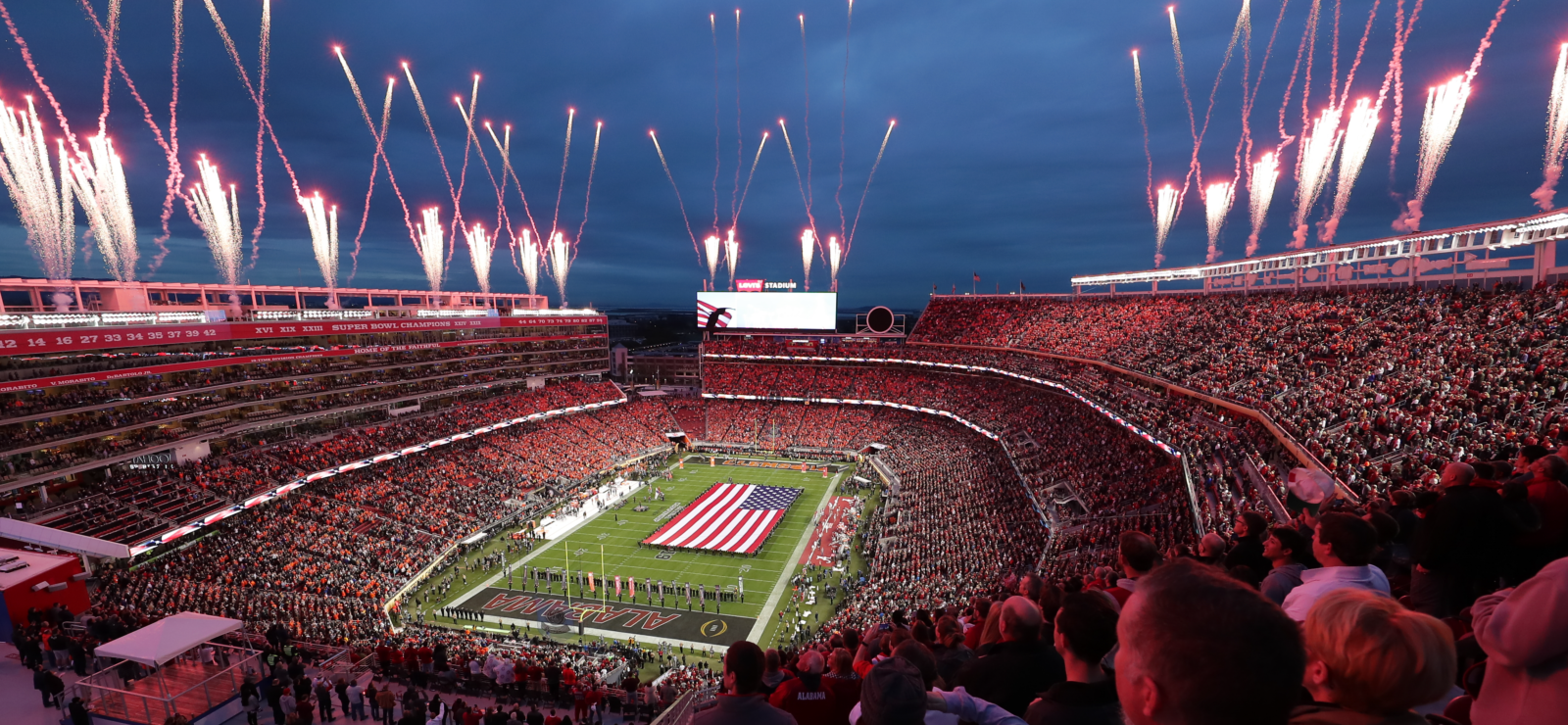
A major sports venue wanted to create a more engaging in-stadium experience by allowing spectators to participate in live auctions during football games using their personal devices. The platform had to synchronize thousands of concurrent participants with content displayed on the stadium's jumbotron, creating a seamless, real-time interactive experience.

The challenge extended beyond building a responsive web application. The solution needed to deliver low-latency communication, maintain synchronized auction state across multiple screen types, and support the unique display requirements of a high-resolution stadium jumbotron while integrating with the venue's existing digital infrastructure.

Solution at a glance

Azati developed an interactive web application that synchronized live auctions across spectators' mobile devices and the stadium's multimedia system. The platform combined responsive user interfaces, WebSocket-based real-time communication, and multimedia synchronization to enable thousands of fans to participate simultaneously during live sporting events.

The result was an engaging digital experience that increased audience participation while providing the venue with a scalable foundation for future interactive fan engagement initiatives.

How Azati solved the challenge

  • Real-time audience interaction: developed a low-latency web application that enabled spectators to participate in live auctions, receive instant bidding updates, and interact with event content in real time
  • Cross-device synchronization: implemented WebSocket-based communication to synchronize auction activity, multimedia content, and live updates across thousands of mobile devices and the stadium's jumbotron simultaneously
  • Adaptive user interface: built responsive interfaces that automatically adapted to mobile devices, desktop browsers, and the stadium's custom high-resolution display while maintaining a consistent user experience
  • Multimedia platform integration: integrated the application with the venue's existing digital ecosystem, enabling synchronized display of auction information, live media, and winner announcements without disrupting existing infrastructure
  • Scalable event delivery: designed the solution to support large numbers of concurrent participants with minimal latency, providing a foundation for future interactive experiences across live sporting and entertainment events

Business outcome

  • Higher fan engagement: created an interactive digital experience that encouraged active audience participation throughout live events, increasing spectator involvement beyond passive viewing
  • Seamless real-time experiences: delivered synchronized interactions across personal devices and stadium displays, ensuring all participants experienced auctions simultaneously with minimal latency
  • New audience monetization opportunities: enabled live auction experiences that introduced additional engagement and revenue opportunities during sporting events without interrupting the core fan experience
  • Reliable large-scale event operations: provided a scalable platform capable of supporting thousands of simultaneous users while maintaining consistent performance during high-profile live events
  • Foundation for future digital experiences: established a flexible real-time engagement platform that can be extended to support additional interactive experiences, promotions, contests, and fan participation initiatives across future events

Last updated

Got a job for Azati? Let’s talk business!

This site is protected by reCAPTCHA and the Google Privacy Policy and Terms of Service apply.

What's next?

  • 1. Tell Us Your Story
    Describe your project. We come back within 24 hours with team availability and a rough plan. NDA on request before the first call.
  • 2. Get Your Roadmap
    Receive a detailed proposal with scope, team composition, timeline, and costs tailored to your goals.
  • 3. Start Building
    Azati aligns on details, finalize terms, and launch your project with full transparency.