Large insurance companies run engineering departments that look, from the outside, a lot like any other large software organization. Hundreds of engineers, dozens of teams, a mature CI/CD pipeline, and a backlog that never gets shorter. The difference is the compliance layer underneath everything: every change goes through security review, every deployment needs sign-off, and every new tool has to clear an architecture committee before it touches production.
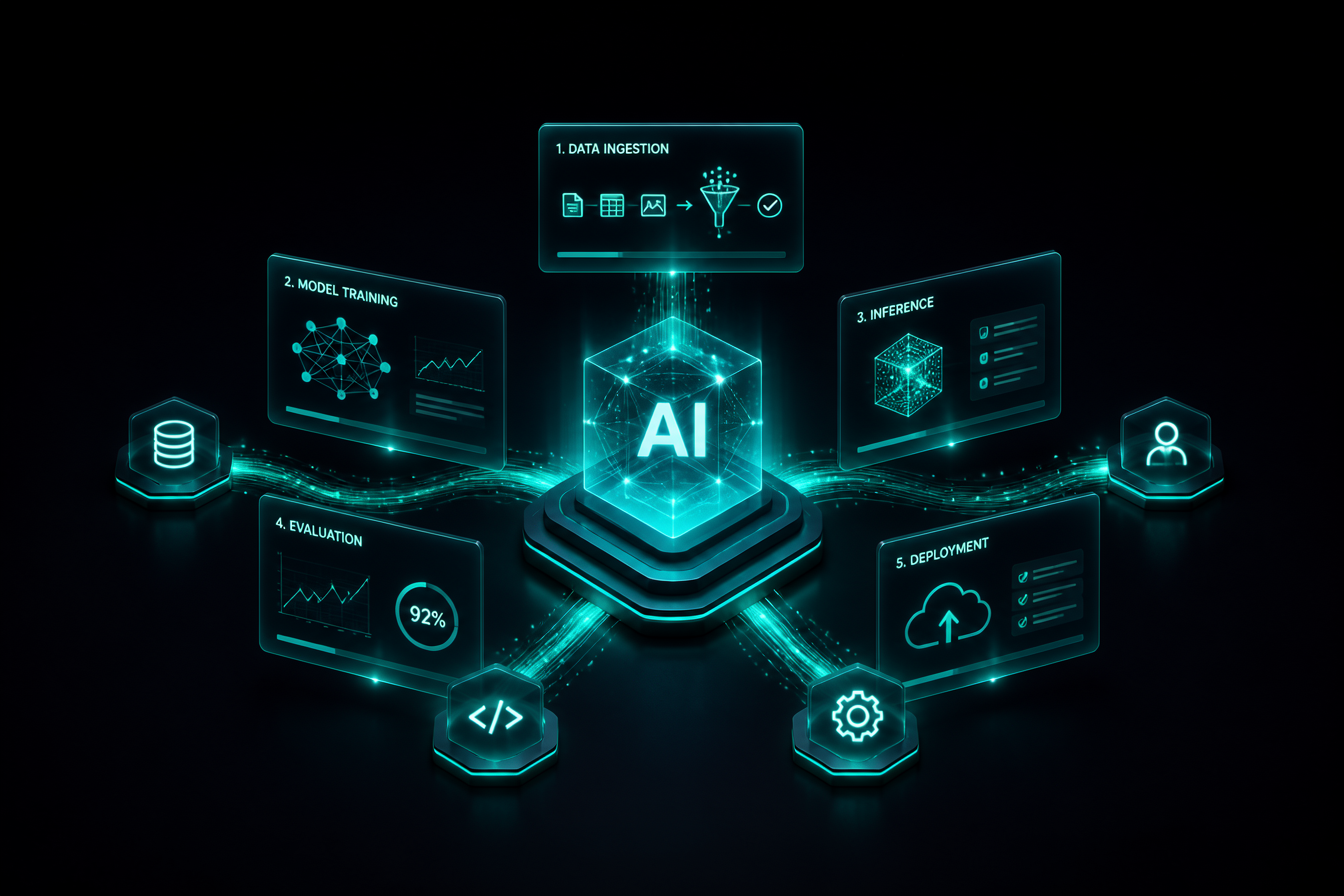
The client is a major insurance enterprise with 12,000+ employees, running a significant internal software development operation. The pain they came with was concrete: too much engineer time going into work that felt routine but couldn't easily be skipped. Code reviews that took hours. Unit tests written by hand for every new function. Specification documents cross-checked manually against implementation. Deployment preparation that required pulling in senior engineers for guidance that, in most cases, looked almost identical to last time.
The question wasn't whether AI could help. It was whether AI could be deployed inside a corporate perimeter with the security constraints of a regulated insurer, integrated into an existing Azure DevOps setup, and actually used by engineers who had no patience for tools that added friction instead of removing it. Azati was brought in to answer that question in practice, not in theory.