
A dedicated team, not an augmentation
The client didn't add a few Azati engineers to an existing roster, they stood up a new, focused team of specialists matched to the stack and the specific modules that needed building.
How do you build enterprise-grade task management modules that plug into a platform several other teams are building at the same time?
A large technology holding company was building an internal task management platform, a domestic alternative to Jira and Confluence, across multiple parallel teams and vendors. Azati contributed a focused team building task card entities, custom fields, filtering, and epic and story dependency structures, integrated by the client's core team without disrupting the rest of the application.
rating out of 5 for engagement potential, cited for a clean codebase and modern architecture
parallel development model across several vendors and the client's core team
Feature-Sliced Design architecture followed across all delivered modules


A large multi-industry technology holding company was building an internal enterprise task and project management platform intended as a domestic alternative to Jira and Confluence. Development spanned multiple parallel teams and vendors, each responsible for distinct parts of the system, all integrating into one application built on a shared architecture.
With multiple vendors and internal teams working on different parts of the same application simultaneously, coordinating scope and avoiding conflicting changes required constant attention:
Following Feature-Sliced Design and a common UI kit was not optional. Every module had to integrate cleanly into a system being extended by teams the developers didn't work alongside day to day:
Business logic was refined throughout the engagement as the platform's scope became clearer, which meant some already-built functionality had to be adapted mid-development:
The client didn't add a few Azati engineers to an existing roster, they stood up a new, focused team of specialists matched to the stack and the specific modules that needed building.
Delivering functionality that a different team, the client's core team, integrates into a shared codebase requires discipline that self-contained project work doesn't demand. Every module had to be architecturally clean enough to merge without special handling.
Building task cards, custom fields, epic and story dependency structures, and filtering systems for a Jira-style platform requires understanding how these systems actually get used at scale, not just how to build a form.
Feature-Sliced Design, a common UI kit, and internal project standards were followed as day-to-day working constraints across every module Azati delivered, which is what made parallel development by multiple teams actually work.
Azati can stand up a dedicated frontend team that builds cleanly integrable modules inside your existing architecture, without duct-taping onto your core team.
Build my platform's frontend modulesAzati's scope centered on the task entity and the mechanisms around it: how a task is structured, how it can be customized, how it's filtered, and how it relates to other tasks.
The task card is the core object users interact with constantly. Azati's team developed and extended this entity, adding structure and functionality that the rest of the platform's task-related features built on.
Beyond standard fields, the team implemented computed fields, values derived automatically from other task data rather than entered manually, extending what users could configure and track on a task without added manual effort.
Large project spaces with many tasks need reliable, flexible filtering to stay usable. Azati built the filtering functionality that let users narrow down task views across large datasets.
The team designed and implemented the dependency structure between task categories, epics and stories, similar in concept to Jira, giving the platform a way to represent hierarchical relationships between work items.
Components were built on Ant Design and documented in Storybook, supporting reuse across the modules Azati delivered and giving other teams a clear reference for how components were meant to be used.
| Area | Azati contribution |
|---|---|
| Task entity | Developed and extended the task card entity |
| Custom fields | Implemented new field types including computed fields |
| Filtering | Built the task filtering system for large project spaces |
| Categories | Designed epic and story dependency structure |
| UI components | Built components on Ant Design, documented in Storybook |
| Code quality | Participated in code review, refactoring, and defect fixes |
| Architecture | Maintained Feature-Sliced Design across all delivered modules |
Development took place within the client's corporate perimeter, following internal security processes. Source code was managed in GitLab, with mandatory code review required before any change was integrated.
Azati staffed a dedicated team, including a frontend developer, business analyst, and project manager, working on a Fixed Price basis alongside the client's core team and multiple other vendors developing different parts of the platform.
The team worked in an Agile model, adapting to evolving requirements while maintaining the architectural discipline the multi-team environment required:
The modules Azati built, the task entity extensions, custom fields, filtering, and epic and story logic, were integrated into the main application and used by other teams going forward, not built and shelved.
Two specific technical contributions stood out: implementing computed fields on the task entity, and designing the dependency scheme between task categories on the board, epics and stories, modeled after how Jira represents these relationships.
Some of the business analysts who worked on this engagement remained with the client afterward, a signal of the working relationship's strength beyond the immediate deliverables.
The engagement strengthened Azati's expertise in React, TypeScript, MobX, Feature-Sliced Design, Storybook, and reusable component organization, along with practical experience designing complex task entities, custom fields, and filtering mechanisms at enterprise scale.
What this engagement demonstrates:
When several teams are building different parts of the same application in parallel, the shared architecture, in this case Feature-Sliced Design and a common UI kit, is what actually makes that possible. Good code that ignores the shared standard still breaks the system.
A task filter or a custom field sounds simple until it has to work reliably across a platform with epics, stories, computed values, and thousands of tasks. Real Jira-scale complexity lives in the details of these systems, not in their surface description.
For clearly bounded functional modules within a larger multi-team effort, a dedicated team matched to the stack integrated more cleanly than adding individual contributors to an existing roster would have.

Influencer marketing platform modernization: 5+ applications, ~200K creators & 12K+ advertisers across 18 markets — React Native upgrades, AI-powered campaign analytics, contract workflows, and internationalization delivered alongside feature development without a roadmap freeze.

Custom Redmine plugin: department reporting, automated time logging reminders, leave management, and branded theme built in Ruby on Rails for 350+ person software company.

5+ years of backend engineering on a global EdTech platform: 1M+ students, LMS integrations, zero-downtime at billion-record scale.
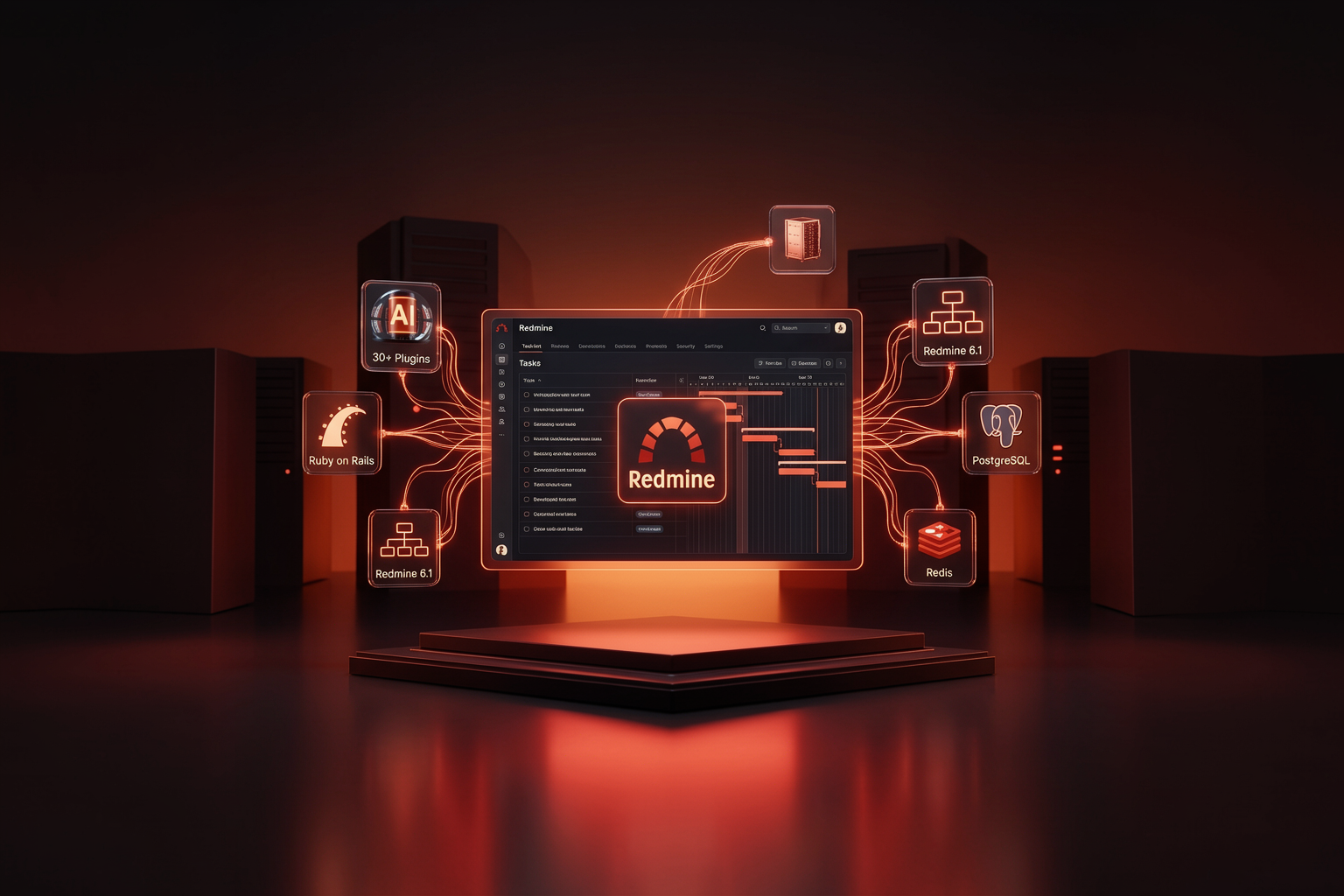
Custom Redmine plugin development and full-stack upgrade for a DevOps MSP, 30+ plugins adapted, Ruby 3 and Rails 7 migration, zero business disruption.

Mobile app with CNN model for automated steak marbling quality assessment.
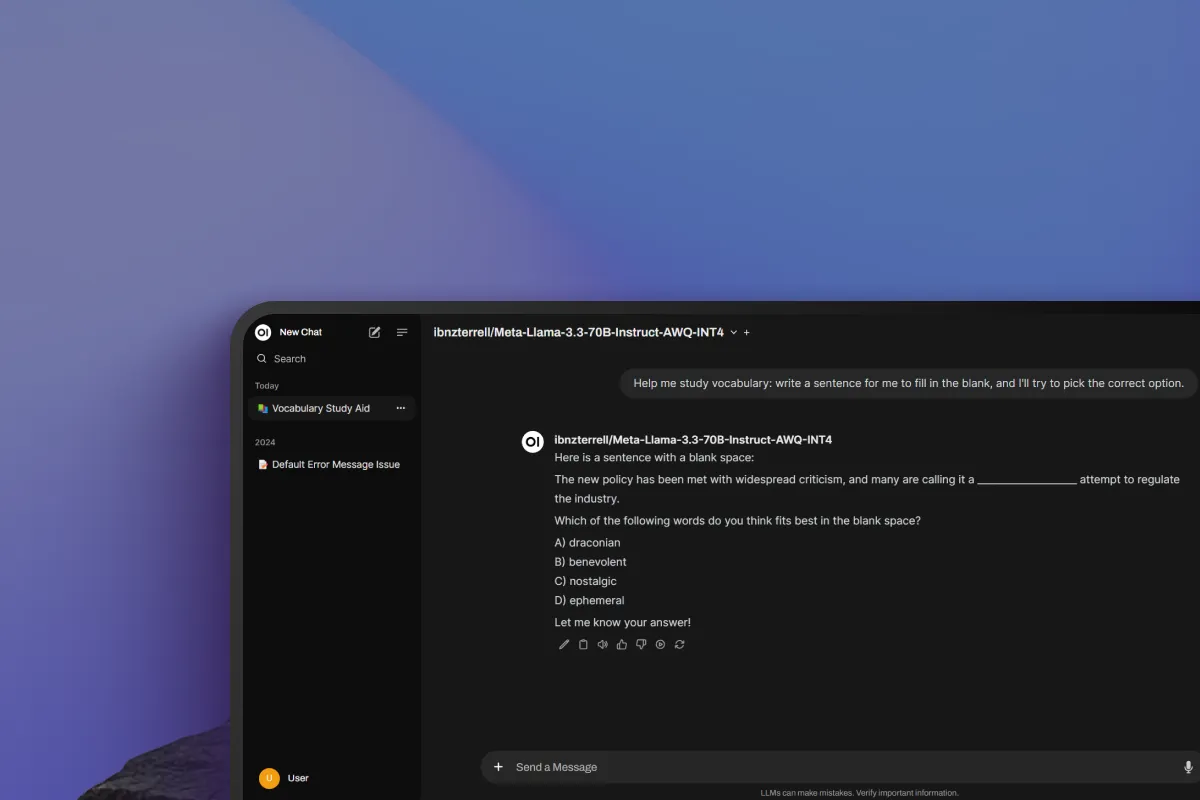
Secure locally-hosted LLM alternative for confidential corporate communication.
Last updated
