AI-Assisted Engineering Data Extraction & Legacy Drawings Digitization

How can industrial organizations digitize legacy engineering drawings when conventional OCR fails?

Azati modernized engineering document processing by transforming low-quality piping isometrics and P&ID drawings into structured engineering data. Rather than relying on fully autonomous AI, the solution combined computer vision, multimodal AI, deterministic validation, and human review to automate Flange Master Register (FMR) preparation while maintaining engineering-grade accuracy.

The engagement established a practical document intelligence workflow that supports maintenance planning, engineering traceability, procurement, and future engineering data modernization initiatives.

Audit my engineering document workflow
471

engineering drawings processed

X2

faster engineering review and FMR preparation

45%

reduced manual interpretation workload

Technologies used

Python
Python
YOLO11 / Ultralytics
Qwen3.5-VL
Qwen3.5-VL
Qwen3.5
Qwen3.5
Transformer
Transformer
LM Studio
LM Studio
OCR
OCR
Amazon S3
Amazon S3
JSON
JSON

How do industrial organizations modernize engineering documentation without fully relying on AI automation?

Industrial operators often depend on engineering drawings created decades ago using inconsistent drafting standards, degraded scans, handwritten annotations, and incomplete documentation. These records remain essential for maintenance, shutdown planning, procurement, and regulatory compliance, yet were never designed for automated processing.


The client needed to transform archived engineering documentation into structured datasets suitable for Flange Master Register generation while preserving confidence in the extracted information. Conventional OCR and fully autonomous AI approaches proved unreliable due to inconsistent layouts, fragmented annotations, and poor document quality.

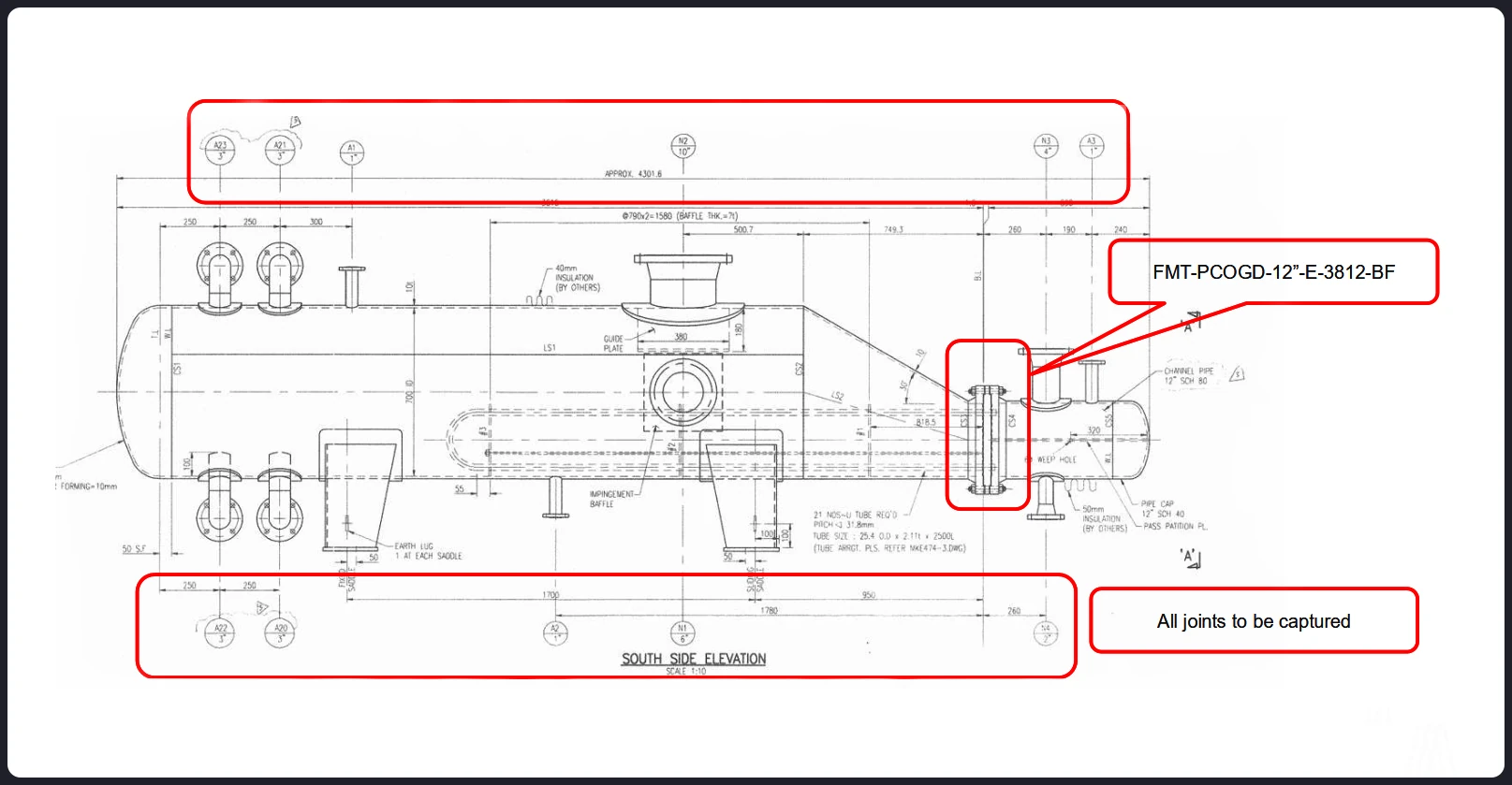
  • Identify and mark up piping flange joints across archived isometric drawings
  • Assign unique flange-joint IDs
  • Extract engineering metadata from legacy drawings
  • Generate structured Flange Master Registers (FMR)
  • Validate extracted flange data and mark-up accuracy
  • Support non-standard, low-quality engineering documentation
  • Deploy the solution in an on-premises environment

How can AI modernize engineering document workflows without replacing engineering expertise?

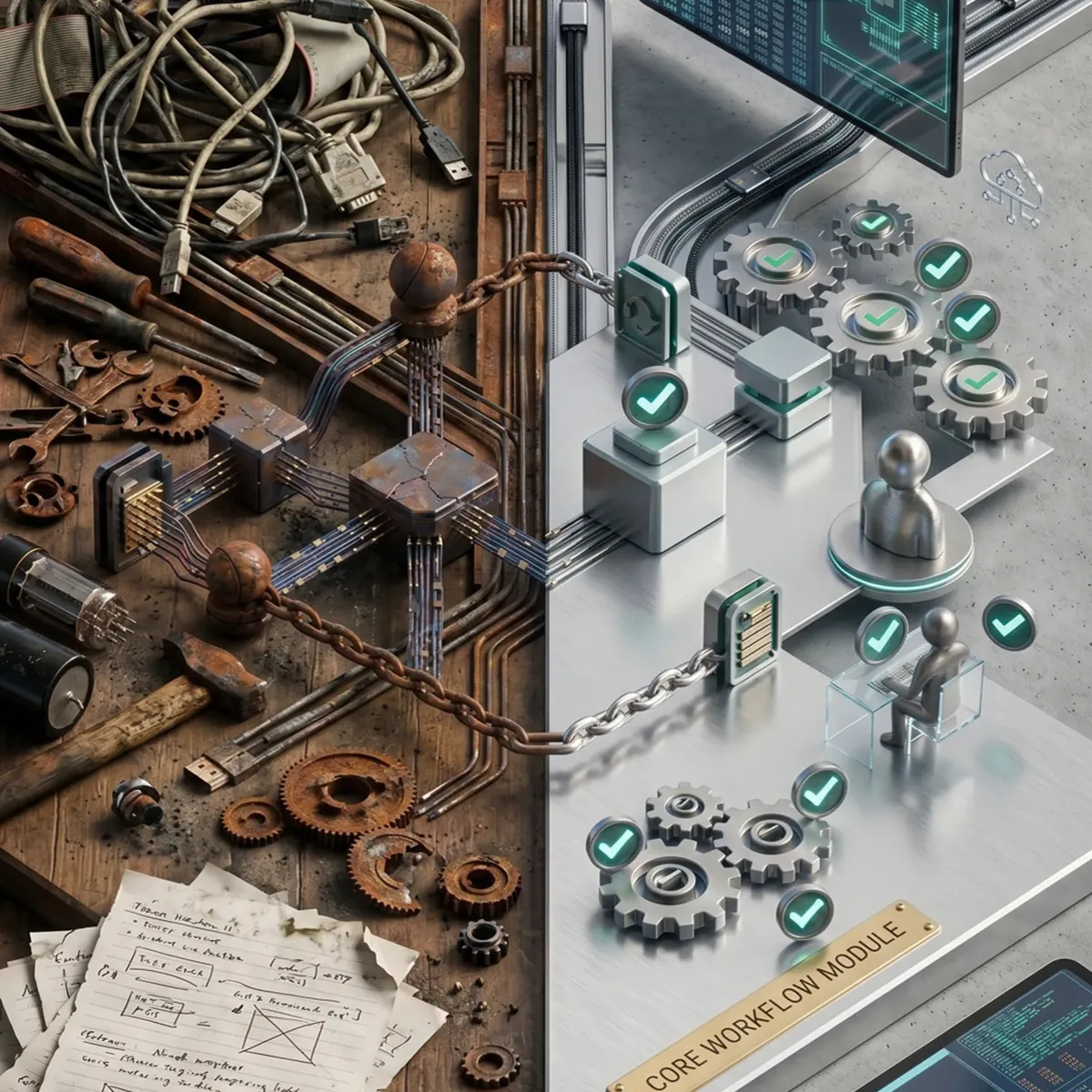
Rather than attempting full automation, Azati designed a hybrid engineering workflow where AI performs repetitive extraction tasks while deterministic validation and engineering specialists verify ambiguous cases.


This approach transformed fragmented documentation into validated structured data while preserving traceability, engineering oversight, and operational reliability required for maintenance and asset lifecycle workflows.

Challenge 01

Fully automated AI extraction approaches failed

Archival PID documentation lacked consistent formatting and was low-quality (low-res scans, corrupted text). Conventional engineering drawing OCR pipelines struggled with fragmented layouts, merged annotations, and inconsistent graphical logic common in legacy PID digitization projects. The engagement evolved into a broader piping document modernization project rather than a standalone OCR implementation.

#1
Challenge 02

Manual processing of low-quality engineering drawings

As source docs varied in structure and quality, reviewing them took heavy manual engineering. Additionally, doc preparation overhead and registration risks grew due to incomplete tabular formatting, handwritten adjustments, and ambiguous graphical elements. Azati overcame this by implementing a hybrid workflow that combines AI with deterministic validation and manual engineering QA to stabilize extraction.

#2

Why do industrial organizations choose Azati for engineering document intelligence?

Practical industrial AI instead of autonomous AI promises

Instead of pursuing unrealistic, fully autonomous document processing, Azati designed a human-in-the-loop workflow capable of handling degraded documentation while maintaining engineering-grade quality.

Engineering-aware document intelligence

The engagement focused on understanding the engineering context, including flange identifiers, piping metadata, engineering annotations, and downstream maintenance workflows, rather than simply extracting text from drawings.

Solution

AI-powered engineering document modernization

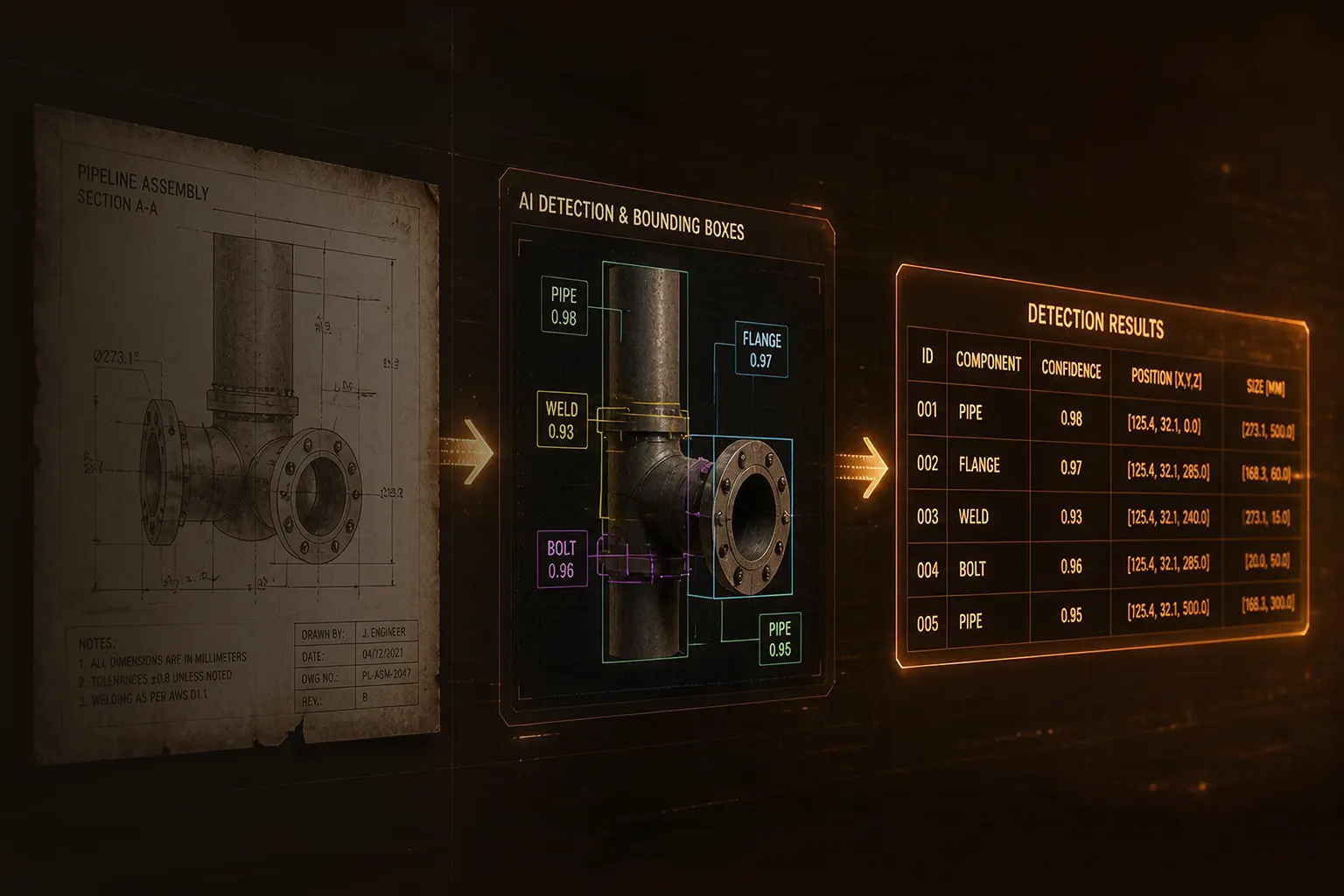
Rather than implementing another OCR pipeline, Azati developed a production-oriented engineering document intelligence workflow capable of detecting flange joints, interpreting annotations, validating extracted information, and generating structured Flange Master Register datasets suitable for operational engineering processes.

The platform combined computer vision, multimodal AI, deterministic validation, structured normalization, and engineering QA into a scalable industrial document modernization workflow.

Key capabilities:
01

AI-powered flange identification

Azati implemented an object-detection pipeline to automatically detect flange joints across archived piping drawings, assign identifiers, and generate engineering markups.

Key capabilities:
  • Flange-joint localization
  • Automatic flange-ID assignment
  • Drawing markup generation
  • Detection across low-quality scans
  • Engineering-region extraction
  • Piping integrity documentation
02

Engineering document understanding

The platform combined multimodal LLM analysis with OCR extraction to interpret engineering annotations, tables, and contextual drawing information.

Key capabilities:
  • Engineering OCR
  • Table and annotation interpretation
  • Engineering data normalization
  • Context-aware data extraction
  • Structured JSON generation
  • Semantic analysis of drawing regions
03

Engineering data validation

Because fully automated extraction proved unreliable on unique archival documents, Azati implemented additional validation and normalization workflows through deterministic rules.

Key capabilities:
  • JSON validation
  • Noise and hallucination filtering
  • Output normalization
  • Data consistency checking
  • Human review workflows
04

Quality control (QC) and Flange Master Register generation

The engagement also included quality-control validation of generated flange markups and extracted engineering data. Azati prepared validated engineering information for downstream maintenance, procurement, and asset integrity workflows.

Key capabilities:
  • FMR preparation
  • Engineering QA
  • Manual correction support
  • Structured delivery
  • Quality control

What challenges arise when AI processes legacy engineering drawings?

While processing industrial, energy, and engineering drawings, fully autonomous AI can hallucinate, failing to sustain stable extraction. This is why Azati's approach focused on balancing automation with engineering-grade accuracy.

Why doesn't fully autonomous AI work for industrial engineering documentation?

Legacy engineering drawings frequently contain fragmented tables, degraded scans, inconsistent graphical conventions, and incomplete engineering references that cause multimodal models to generate inconsistent outputs.

How can organizations balance AI automation with engineering-grade accuracy?

Rather than replacing engineers, Azati designed a hybrid workflow in which AI accelerates repetitive work. In contrast, engineers validate exceptions, preserving confidence in the engineering information used for maintenance and shutdown planning.

Modernize engineering document workflows with AI

Enterprise engineering modernization begins with trusted information. Azati helps industrial organizations digitize legacy engineering documentation, automate data extraction, and establish structured datasets that support maintenance, shutdown planning, asset integrity, and future industrial AI initiatives.

Detect legacy document bottlenecks

What Azati delivered

AreaAzati contribution
PID digitizationAI-assisted extraction from legacy piping drawings
Engineering drawing OCROCR and multimodal interpretation for industrial asset lifecycle documentation
FMR automationStructured flange-register preparation workflows
Data structuringConversion of graphical engineering information into structured JSON
Engineering document QAHuman-validated extraction and normalization. JSON normalization, hallucination rectification, and QC workflows
DeliverablesFlange Master Register preparation support and validated markup outputs

Key delivery outcomes

Metric / areaResult
Engineering drawings processed471 pages
Flange processingAutomated identification and markup support
Asset lifecycle documentation workflowSemi-automated asset maintenance and engineering governance
Extraction workflowAI-assisted engineering data structuring
Validation approachHuman-controlled QC and post-processing
Deployment modelOn-premise-compatible workflow

What business outcomes can AI-assisted engineering document processing deliver?

Faster engineering document processing

Standardized extraction and validation accelerated flange identification, engineering review, and Flange Master Register preparation.

Lower manual engineering effort

The workflow automated repetitive engineering analysis while allowing specialists to focus on validating edge cases rather than processing every drawing manually.

Better engineering readiness

Structured engineering datasets improved preparation for maintenance and shutdown planning by reducing documentation bottlenecks.

Assess the opportunities for legacy engineering document automation

No room for struggling in regulated enterprises. Azati can convert its experience in modernizing legacy workflows into your AI-ready digitized documentation pipelines.

Evaluate the FMR automation returns

What strategic advantages did the client gain?

Trusted engineering information for maintenance operations

Validated engineering datasets provided a more reliable foundation for downstream maintenance and engineering workflows.

Foundation for engineering document modernization

The project established reusable processes that can be applied to future legacy drawing digitization initiatives across industrial assets.

Practical industrial AI operating model

The engagement demonstrated that hybrid AI combined with engineering QA delivers more reliable operational outcomes than fully autonomous AI for complex engineering documentation.

Reduced dependence on manual engineering interpretation

Engineering specialists shifted from repetitive document transcription toward higher-value engineering validation and decision-making.

Engagement & delivery

Focused engineering delivery

The engagement was executed as a compact engineering project focused on stabilizing a specific industrial docflow under tight operational constraints. The engagement combined AI-assisted extraction with engineering document QA, deterministic validation, and human-controlled post-processing to stabilize output reliability on non-standard industrial drawings.

Human-in-the-loop industrial AI approach

Instead of positioning AI as fully autonomous, Azati implemented a practical workflow where AI handled repetitive extraction tasks, validation logic filtered erratic outputs, and engineers reviewed ambiguous engineering contexts manually. This balanced automation efficiency with industrial-document accuracy requirements.
The described expertise is relevant for:

  • Power generation operators
  • Heads of Engineering Data
  • Plant modernization leaders
  • Maintenance and shutdown planning teams
  • Engineering, Procurement, and Construction digitalization firms
  • Industrial AI and refinery modernization projects
  • Engineering document control managers for digitization initiatives dealing with legacy piping documentation

Screenshots

AI-Assisted Engineering Data Extraction & Legacy Drawings Digitization

Azati’s related case studies

Grab a snapshot of Azati’s relevant expertise in legacy engineering and industrial document digitization and modernization with AI, OCR, and enterprise QA validation.

AI-Powered Piping Isometric Digitization, Flange Register Consolidation
Engineering & Manufacturing Energy, Oil & Gas

AI-Powered Piping Isometric Digitization, Flange Register Consolidation

250,000 piping isometrics consolidated
70% reduction in project schedule
50% reduction in manual engineering effort
  • Python
  • TensorFlow
  • OpenCV
  • OCR
  • AWS
  • Engineering document AI

Business challenge

A global energy company needed to create a single, reliable flange register by consolidating information scattered across approximately 250,000 piping isometrics, CAD drawings, and marked-up inspection documents produced by more than ten engineering contractors.

The documentation varied significantly in format, quality, and annotation standards, making manual reconciliation impractical and error-prone. Differences in drawing layouts, handwritten notes, inconsistent page structures, and varying engineering conventions prevented reliable alignment between CAD drawings and marked-up documentation. Without a unified, traceable dataset, flange management, inspection planning, and integrity management remained highly labor-intensive.

Solution at a glance

Working as Petronas's AI engineering partner, Azati developed a customized computer vision and machine learning pipeline that automatically extracted engineering data, identified flanged joints, mapped CAD and marked-up drawings, and generated a consolidated flange register.

Rather than relying on off-the-shelf OCR, the solution used trainable recognition models and custom machine learning components tailored to engineering documentation, enabling accurate extraction across highly inconsistent datasets and providing a scalable foundation for future processing of engineering documentation.

How Azati solved the challenge

  • AI-powered engineering document processing: Developed custom OCR and computer vision models capable of identifying flanged joints, interpreting piping topology, and extracting engineering attributes from both CAD drawings and scanned, marked-up isometrics with varying document quality
  • Cross-document reconciliation: Built intelligent mapping logic that automatically aligned CAD drawings with contractor markups despite differences in layouts, page structures, drawing orientation, and engineering conventions, creating consistent links between both document sources
  • Automated data enrichment: Extracted and assigned engineering attributes, including flange identifiers, pipe specifications, materials, and pipe sizes, creating complete and standardized flange records from fragmented source documentation
  • Scalable processing pipeline: Designed a production-grade AI pipeline capable of processing very large engineering document collections efficiently while continuously adapting to newly discovered document variations through iterative model improvements
  • QA/QC verification support: Delivered a verification interface allowing engineering teams to review mapped flanges alongside extracted metadata, accelerating quality assurance while simplifying validation and issue resolution

Business outcome

  • Unified engineering data: Created a single, consistently tagged flange register linked across CAD and marked-up documentation, providing a trusted source of engineering information
  • Accelerated project delivery: Reduced the overall project schedule by 70% by automating document reconciliation and eliminating large-scale manual engineering activities
  • Lower engineering effort: Reduced manual processing requirements by approximately 50%, allowing engineering specialists to focus on higher-value inspection and integrity activities
  • Improved traceability and quality: Increased consistency, auditability, and confidence in flange information by automatically reconciling engineering data across multiple contractors and document sources
  • Scalable foundation for asset integrity management: Delivered an AI-driven processing framework capable of supporting future inspection planning, maintenance programs, and engineering documentation initiatives across additional assets and projects
AI-Powered Data Recognition for an Oil & Gas Enterprise
Energy, Oil & Gas

AI-Powered Data Recognition for an Oil & Gas Enterprise

40% better data recognition accuracy
30% less manual data processing effort
2X faster data extraction and analysis
  • Python
  • Machine Learning
  • Computer Vision
  • Elasticsearch
  • REST APIs

Business challenge

The client needed to process large volumes of unstructured industrial data (documents, schemes, technical records), but faced low accuracy of manual data extraction, time-consuming processing workflows, inconsistent data formats, and difficulty integrating extracted data into operational systems. These issues slowed down decision-making and increased operational costs.

Solution at a glance

Azati developed an AI-powered data recognition system to automate the extraction, structuring, and validation of industrial data. The solution focused on: applying machine learning and computer vision for data extraction, structuring unstructured data into usable formats, integrating outputs into existing workflows and systems, continuously improving accuracy through validation and feedback loops. This enabled faster and more reliable data processing at scale.

How Azati solved the challenge

  • AI-based data extraction: Used machine learning and computer vision to extract information from complex documents and technical files.
  • Data structuring & normalization: Converted unstructured inputs into standardized, system-ready formats.
  • Validation & feedback loops: Improved model accuracy over time through continuous validation and refinement.
  • Workflow integration: Embedded AI outputs into operational systems via APIs.
  • Manual and automated QA: Combined automated processing with manual validation for critical data points.

Business outcome

  • Automated data recognition: AI extracts and processes data from diverse industrial sources.
  • Improved accuracy: Higher reliability compared to manual or rule-based approaches.
  • Faster processing: Reduced time required for data extraction and analysis.
  • Integration-ready outputs: Structured data ready for downstream systems and workflows.
  • Scalable architecture: Handles growing volumes of industrial data efficiently.
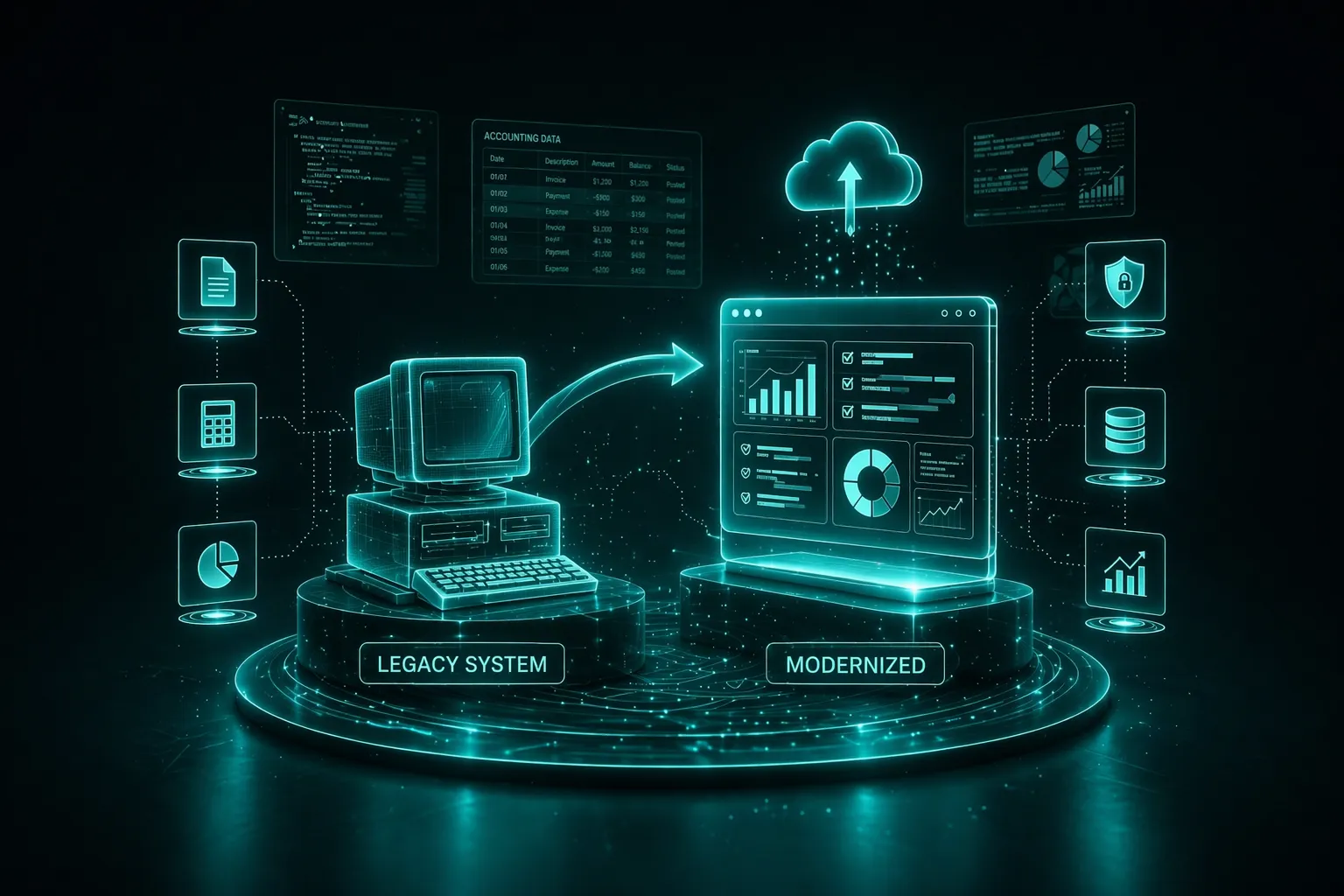
Legacy Accounting System Modernization
Insurance & Enterprise Systems

Legacy Accounting System Modernization

3X faster system performance
50%+ reduction in manual operations
0 downtime during migration and rollout
  • PHP
  • JavaScript
  • MySQL
  • REST APIs
  • Legacy modernization

Business challenge

The client relied on a legacy accounting system built on outdated PHP architecture, which limited scalability, slowed down performance, and required significant manual effort for routine operations. The system struggled with a rigid monolithic structure, slow data processing and reporting, high dependency on manual workflows, and difficulty integrating with modern tools and services. Any attempt to modernize carried a high risk of disruption to business-critical financial operations.

Solution at a glance

Azati re-architected the legacy system into a modern, modular platform, ensuring continuity of operations while enabling future scalability and AI readiness. The modernization strategy focused on gradual refactoring instead of full replacement, introducing API-based integrations, improving data processing pipelines, and preserving business logic while upgrading architecture. The transition went without downtime, allowing the client to continue operations seamlessly.

How Azati solved the challenge

  • Incremental modernization: Refactored the monolithic system step by step to reduce risk and avoid downtime.
  • API layer introduction: Built REST APIs to enable integration with external systems and future AI components.
  • Data workflow optimization: Improved data handling and processing speed across accounting operations.
  • Manual process reduction: Identified and automated repetitive accounting tasks to reduce operational overhead.
  • System stabilization: Ensured consistent performance and reliability during and after modernization.

Business outcome

  • Modernized Architecture: Transition from a legacy monolith to a more flexible, maintainable system architecture.
  • Improved performance: Faster data processing and reporting across accounting workflows.
  • Integration-ready platform: API-first approach enabling future integrations and AI adoption.
  • Reduced operational load: Less manual work required for routine accounting processes.
  • Zero-downtime migration: Continuous system availability during the entire modernization process.
Managed AI for Invoice & Document Processing
Insurance

Managed AI for Invoice & Document Processing

85% docs processed autonomously
52% lower cost per processed doc
<90sec average end-to-end processing time
  • Python
  • Azure
  • PostgreSQL
  • Apache Kafka
  • Kubernetes

Business challenge

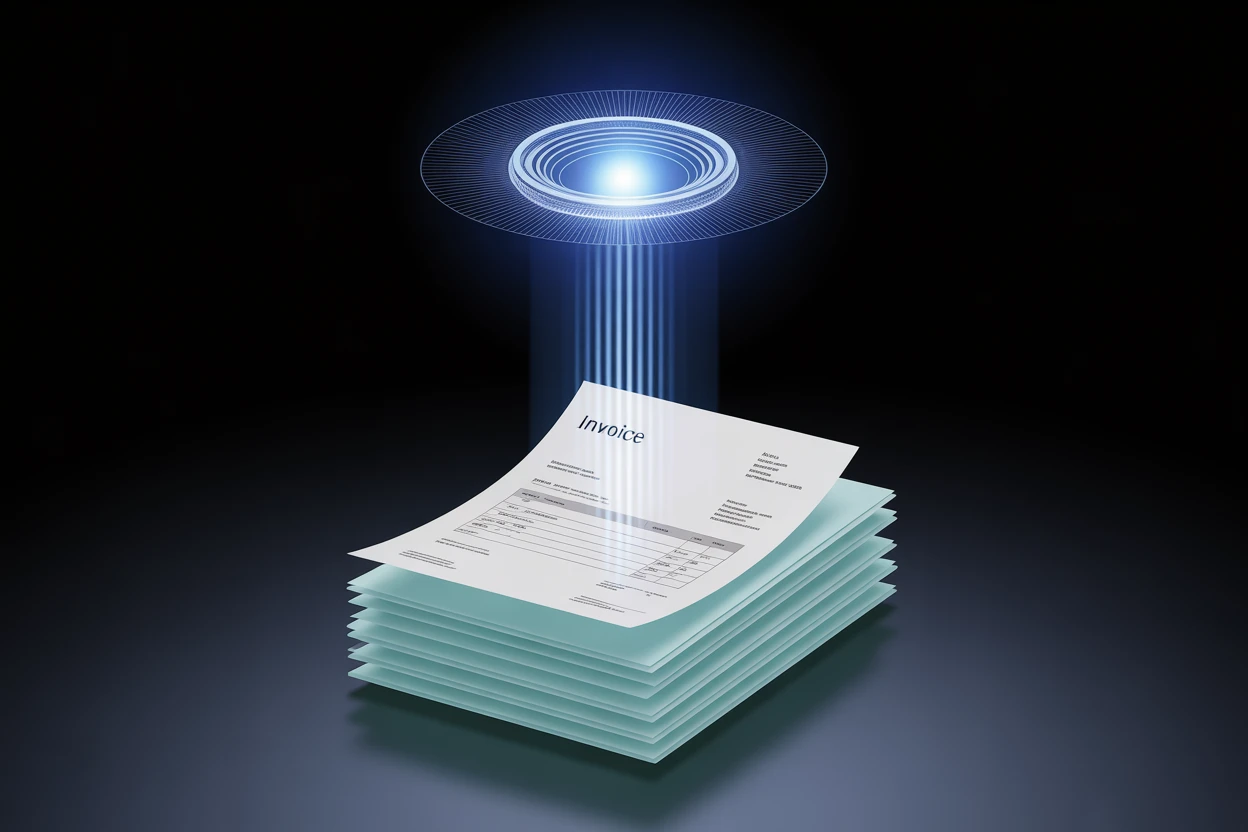
A shared mission-critical service center processed 40,000+ documents monthly, yet relied on manual review and error-prone legacy OCR. The workflows were drowned in manual effort and SLA delays. The challenge was to keep the existing SAP and document management infrastructure. No replacing, no rebuilds.

Solution at a glance

Azati crafted AI workflow automation middleware that integrates with the legacy SAP and DMS infrastructure through pre-built connectors. The project’s scope was to build and operate the solution from scratch, so Azati owns extraction accuracy, uptime SLA, and non-stop improvement as the core delivery model, not optional maintenance.

How Azati solved the challenge

  • Multi-format doc ingestion and classification
  • AI-assisted field extraction with confidence scoring
  • Human-in-the-loop workflow for uncertain decisions
  • AI process automation, including monthly costs and accuracy reports

Business outcome

  • Multi-channel doc ingestion capability (PDF, TIFF, DOCX, XML, EDI)
  • SAP REST API integration using master data matching
  • Document-level immutable audit trail with GDPR compliance
  • Operations dashboard with cost per document visibility
Cloud System for Oil & Gas Document Digitization
Energy, Oil & Gas

Cloud System for Oil & Gas Document Digitization

5000+ docs per hour
98.8% accuracy rate
5X cost reduction
  • Java
  • Python
  • OCR
  • GenAI
  • Data Science

Business challenge

DIGATEX needed to digitize and structure highly complex engineering documentation spread across multiple industrial assets. Manual processing was too slow and costly for operational needs, while inconsistent document quality and strict compliance standards added significant risk.

Solution at a glance

A powerful collaboration with DIGATEX, an AIML disruptor for heavy industry clients. Azati helped build a custom AI-enabled system for digitizing complex engineering documents. The ISO 27001 and ISO 20000-compliant platform extracts, processes, and collates technical data from dispersed assets, including pipeline layouts, industrial plans, and maps.

How Azati solved the challenge

  • AI-enabled document processing: Automated extraction from diverse engineering document types and formats
  • Technical-data collation: Consolidation of fragmented information into a structured, usable dataset
  • Quality and accuracy controls: Validation flows to maintain stable extraction precision at scale
  • Compliance-by-design architecture: ISO 27001 and ISO 20000-aligned security and service controls

Business outcome

  • Enterprise document-digitization platform: One secure cloud environment for complex technical assets
  • Industrial-scale throughput: 5,000+ documents processed per hour
  • High extraction precision: 98.8% accuracy rate for mission-critical technical data
  • Measurable cost impact: Up to 5X reduction in document-processing costs
Fuel Card Management Platform Optimization for an Oil & Gas Enterprise
Energy, Oil & Gas

Fuel Card Management Platform Optimization for an Oil & Gas Enterprise

87% reduction in critical production bugs
2.5x faster regression testing
99.3% test-case pass rate before release
  • PHP
  • JavaScript
  • Kohana
  • SOAP
  • CRM Integration

Business challenge

The client operated a legacy fuel card management platform used for customer account operations, transactional reporting, and service requests. Over time, the system became difficult to maintain due to missing version control practices, inconsistent deployment environments, and growing operational complexity.

Solution at a glance

Azati optimized the client’s fuel card management platform by improving development coordination, stabilizing release processes, modernizing operational modules, and automating repetitive workflows. The team enhanced customer self-service capabilities, transactional visibility, PDF processing automation, CRM synchronization, operational scheduling workflows, and regression testing efficiency.

How Azati solved the challenge

  • CRM integration: Integrated the platform with Siebel CRM using SOAP-based communication for faster request processing and synchronized customer operations
  • QA stabilization and regression optimization: Improved release quality through structured QA workflows and enhanced regression testing practices
  • Modular service architecture: Combined monolithic application architecture with isolated microservices for document processing workflows
  • PDF automation: Automated facsimile detection, stamp placement, and PDF processing operations
  • Operational workflow optimization: Improved queue management, scheduling workflows, reporting visibility, and customer support functionality

Business outcome

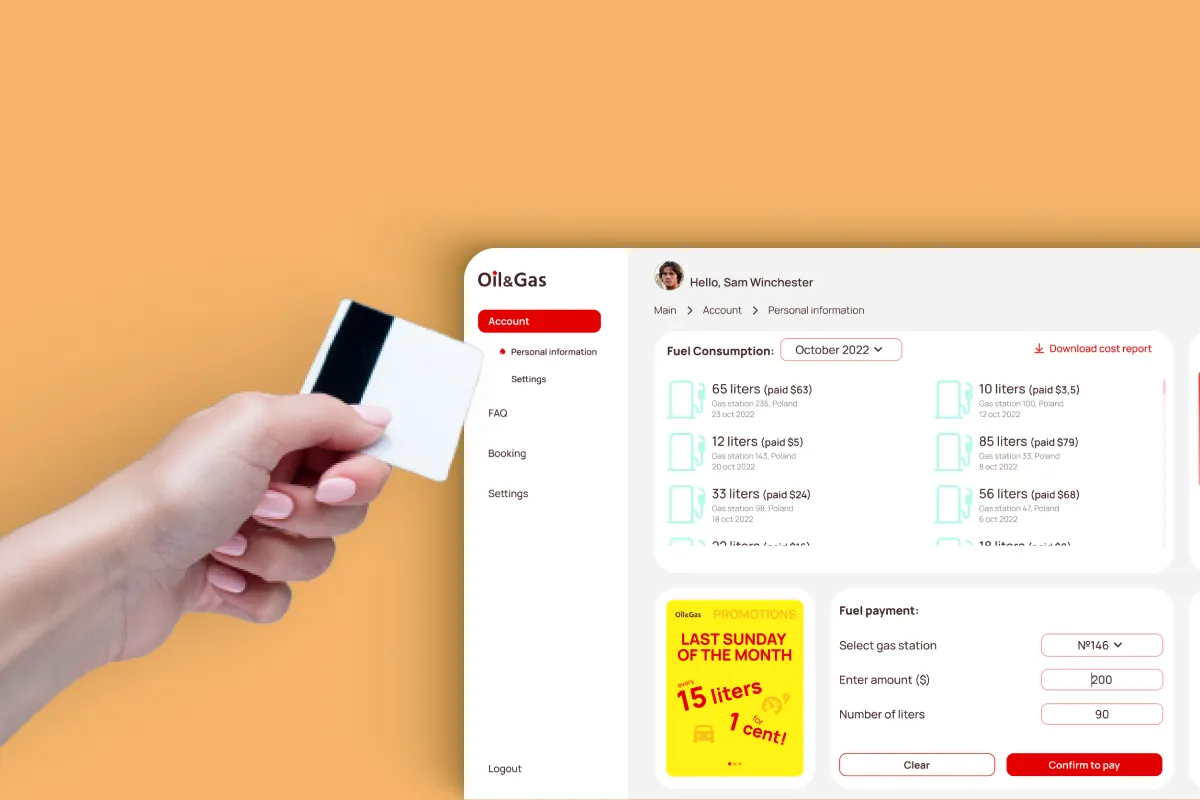
  • Fuel card self-service portal: Centralized management of customer fuel card operations and account requests
  • Electronic queue management: Real-time appointment scheduling and operational coordination across offices
  • Transaction reporting system: Enhanced visibility into fuel card activity, operational reporting, and audit workflows
  • Automated PDF document processing: Reduced manual document handling through automated PDF workflows
  • FAQ and support management: Centralized knowledge management improving customer support efficiency

Last updated

Got a job for Azati? Let’s talk business!

This site is protected by reCAPTCHA and the Google Privacy Policy and Terms of Service apply.

What's next?

  • 1. Tell Us Your Story
    Describe your project. We come back within 24 hours with team availability and a rough plan. NDA on request before the first call.
  • 2. Get Your Roadmap
    Receive a detailed proposal with scope, team composition, timeline, and costs tailored to your goals.
  • 3. Start Building
    Azati aligns on details, finalize terms, and launch your project with full transparency.