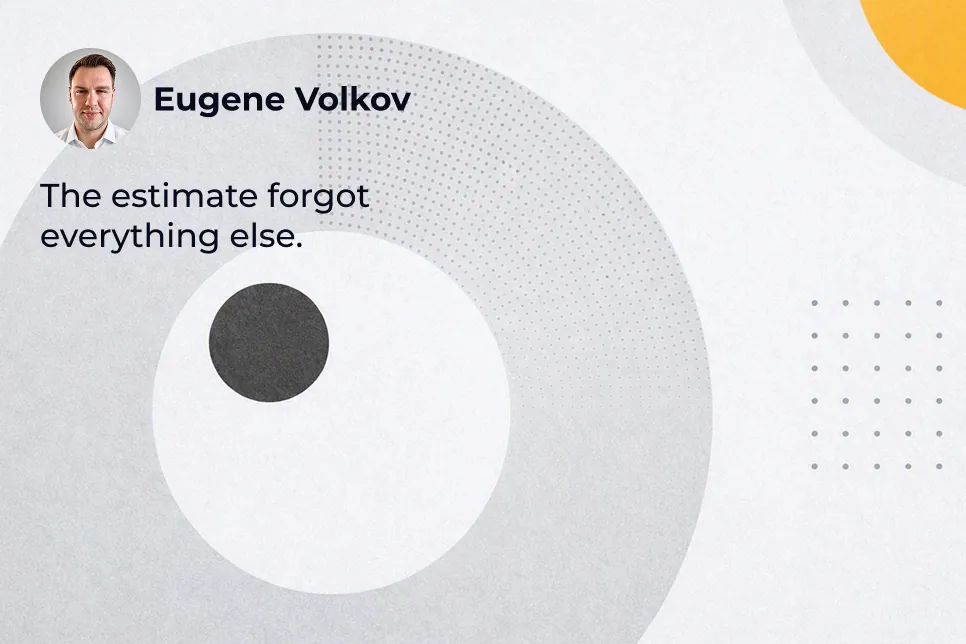

Quick answer: Storage is easy to measure. Operational complexity isn't — and that's the number that matters. Across an 8+ year media data engineering engagement, Azati kept 300+ ETL processes running through streaming, broadcast, advertising, and audience workflows. The interesting question was never "how much did we store." It was whether hundreds of interdependent workflows kept working as sources changed, whether historical context survived migrations, and whether the data stayed connected to real programming and campaign decisions. See the media data platform case study. So the real question for your platform: if the volume doubled tomorrow, would anything actually break?
The shallow lesson: "scale bigger, buy more storage"
Tempting, and beside the point. Hyperscale for its own sake solves the easy problem — the one you can already put on a slide.
The real lesson: durability under change is the hard, valuable thing
300 pipelines that keep producing correct answers through eight years of shifting sources is an achievement of engineering discipline, not raw capacity. You can buy terabytes in an afternoon. You cannot buy a system that stays legible while everything feeding it moves.
The sobering part
The output of a data platform isn't the size of the warehouse — it's a system that keeps working under distortion: new sources, schema drift, migrations, business logic that changes underneath it. Build for change, not for a benchmark you'll quote once and never touch again.
Full disclosure
Azati ran that 8+ year media data engagement, so yes, we're partial to the "operations over volume" view. See our data & product engineering work.
FAQ
Adapted from a LinkedIn post by Eugene Volkov, Commercial Director at Azati Software – read the original. Source: Azati media data platform case study (streaming, advertising & audience analytics).