Higher Throughput
Straight-through processing increased by 45%, allowing faster application approvals without human intervention.
Azati designed an automated policy application decision assistant for insurance underwriters. With machine learning tools and improving computing capacities, this has now become a reality. The assistant processes policy applications and provides recommendations to approve, decline, or manually review them, helping underwriters make faster, more informed decisions. The system utilizes historical data for predictive modeling, significantly enhancing the underwriting process.
increase in straight-through processing
increase in application processing capacity
Auto-Approval Efficiency Score (AAES)
To address manual decision bottlenecks, inconsistent underwriting outcomes, and time-consuming processing by leveraging historical data and machine learning, enabling faster, more accurate, and consistent policy application decisions while freeing underwriters to focus on complex or high-value cases.
Manual decision-making caused delays and bottlenecks in the underwriting process, preventing efficient handling of policy applications. Azati addressed this by automating the decision-making process, reducing the need for manual intervention and speeding up policy application processing.
The underwriting process was time-consuming due to repetitive tasks, making it difficult to quickly evaluate and process applications. Azati developed an automated system that analyzes policy applications and provides recommendations, significantly reducing processing time.
Human factors led to inconsistent decisions, affecting the quality of underwriting decisions and increasing the risk of errors. Azati solved this by using machine learning to analyze historical data and provide data-driven decision recommendations, ensuring consistency and accuracy in the process.
There was limited use of historical data, which hindered the potential to make data-driven decisions and improve the accuracy of policy assessments. Azati leveraged historical underwriting data to train the machine learning model, enhancing the decision-making process with predictive insights from past applications.
We developed a machine learning-based predictive model that processes policy applications, assigns them scores, and provides recommendations for approval, rejection, or manual review.
The model was trained using historical data, including previous underwriting decisions, policy submissions, and claims, allowing the system to learn from past patterns and make informed decisions.
Identified limitations of GraphQL as a standalone solution and proposed a hybrid approach combining GraphQL and standard JSON API to ensure flexibility and comprehensive data handling.
By automating the decision-making process, the system reduces manual intervention and significantly increases the speed and accuracy of underwriting decisions.
Bring your complexity. We'll bring the plan. Tell us about your project and we'll get back within one business day.
Inquire for more infoProcesses incoming policy applications using a machine learning-based predictive model that scores each application and provides recommendations to approve, decline, or manually review. Eliminates repetitive manual assessment and speeds up underwriting while maintaining high accuracy.
Utilizes extensive historical data from past applications, decisions, policies, and claims to train the predictive model. Ensures that the system learns from past patterns, improving consistency and reliability of recommendations over time.
Allows administrators to adjust thresholds for approval, review, and decline zones, balancing risk and application throughput. Enables the business to control the level of automation and fine-tune system performance based on risk appetite.
Provides underwriters with statistical analysis of similar past decisions, showing historical effectiveness of approvals and declines. Supports informed decision-making and continuous improvement of underwriting strategies.
Implements a hybrid API architecture combining GraphQL and JSON endpoints to handle complex data needs of the underwriting system, ensuring flexible integration with internal and external platforms.
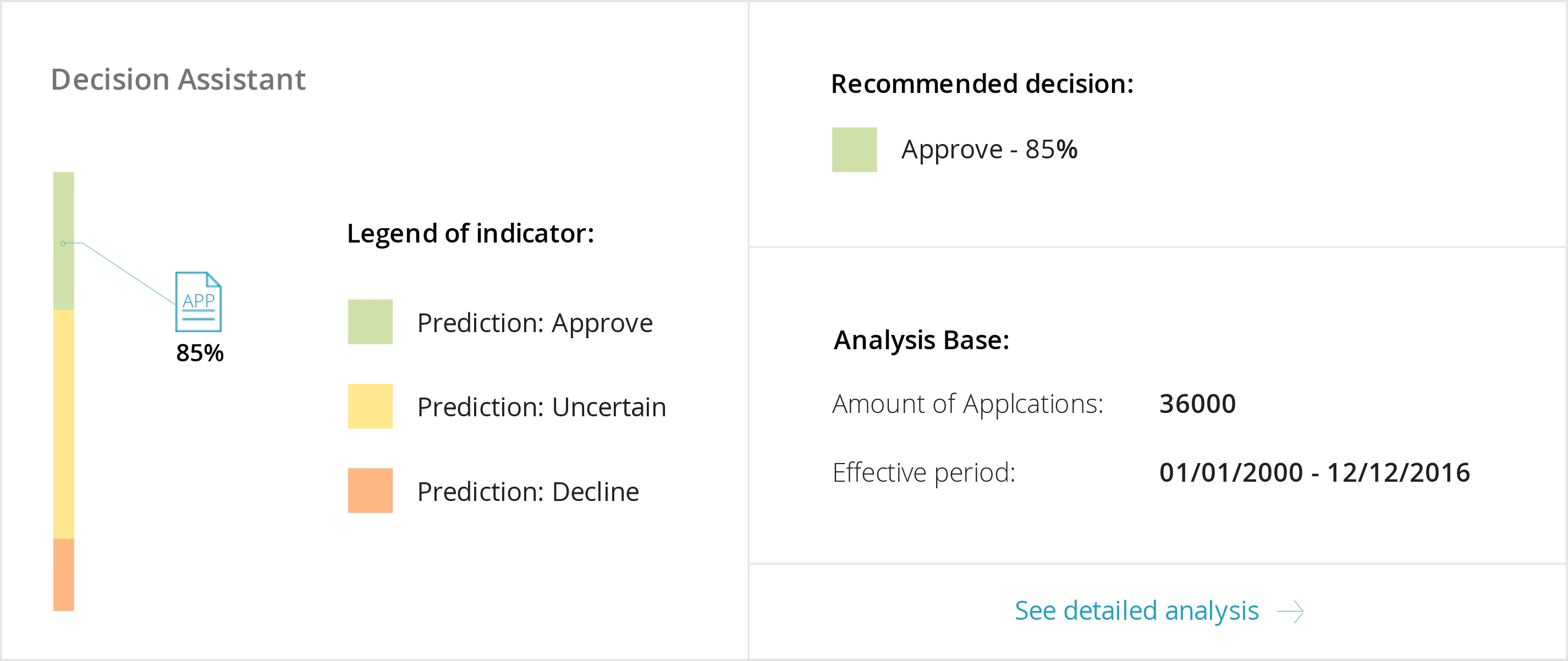
Straight-through processing increased by 45%, allowing faster application approvals without human intervention.
Underwriters focus on high-value, complex cases, freeing time from routine applications.
System processed 2.5 times more applications over the same period.
Machine learning-based recommendations reduce errors and variability in underwriting.
Configurable thresholds allow the insurance company to balance volume and risk according to business needs.

Five AI agents delivered into a 12,000-person insurer's Azure DevOps pipeline: PR review, unit test gen, spec validation, and deployment assistance, all on-premise.
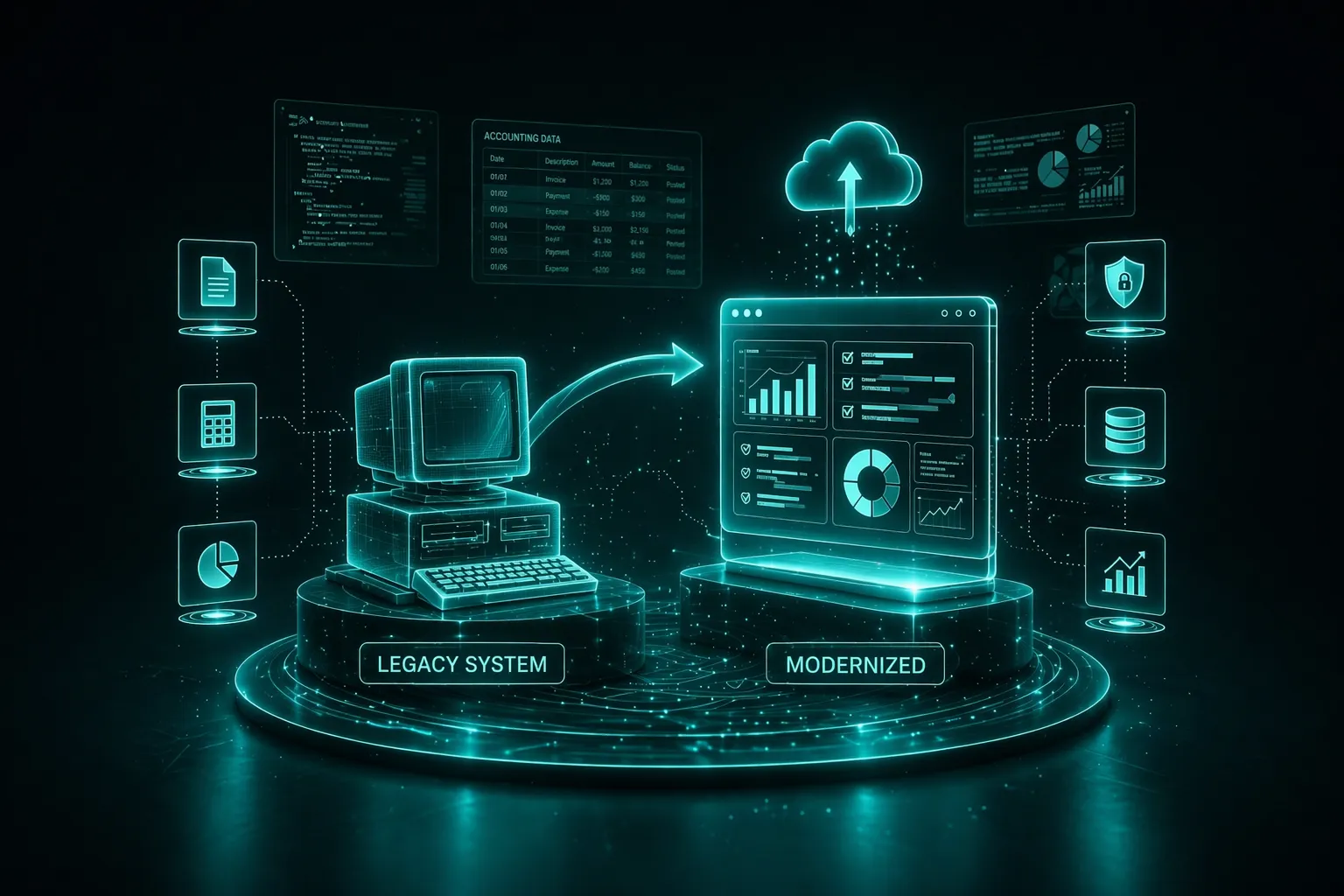
Legacy PHP modernization for a mission-critical insurance accounting app with upgrade without rewrite and infrastructure support.
Managed AI solution that automates invoice and document processing with seamless ERP integration and built-in compliance.
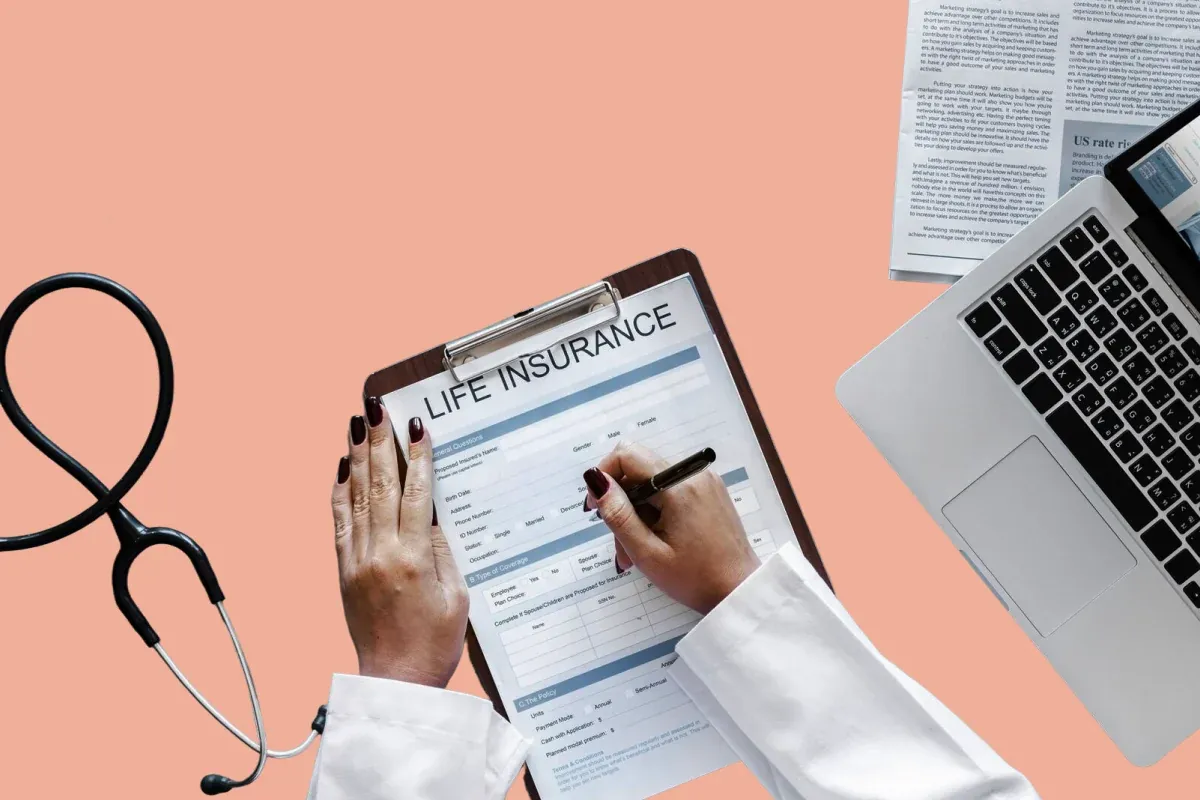
Online application forms automating insurance quote and decision processes.

Automated tool generating personalized insurance promotional materials.
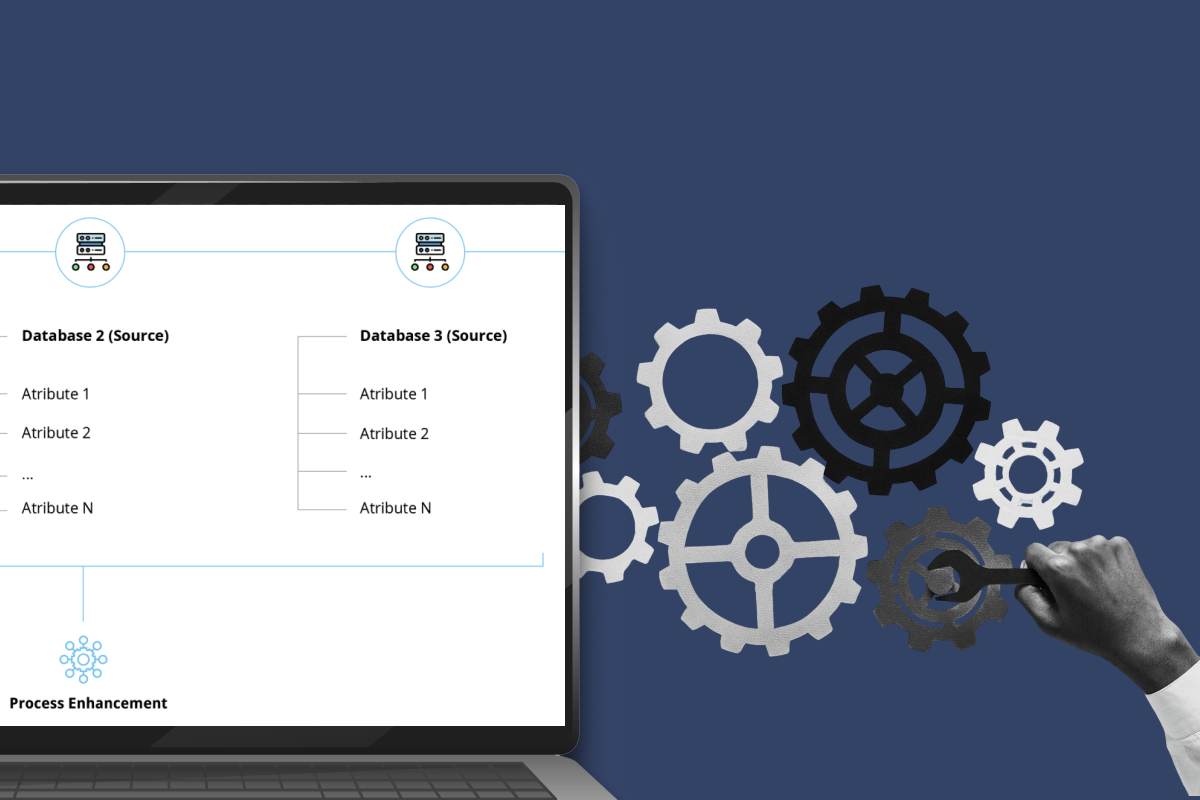
Enhanced ETL process eliminating data inconsistencies for healthcare customer.
Last updated
