Increased Engagement
Increased engagement with younger users, fostering independent learning and improving note recognition skills.
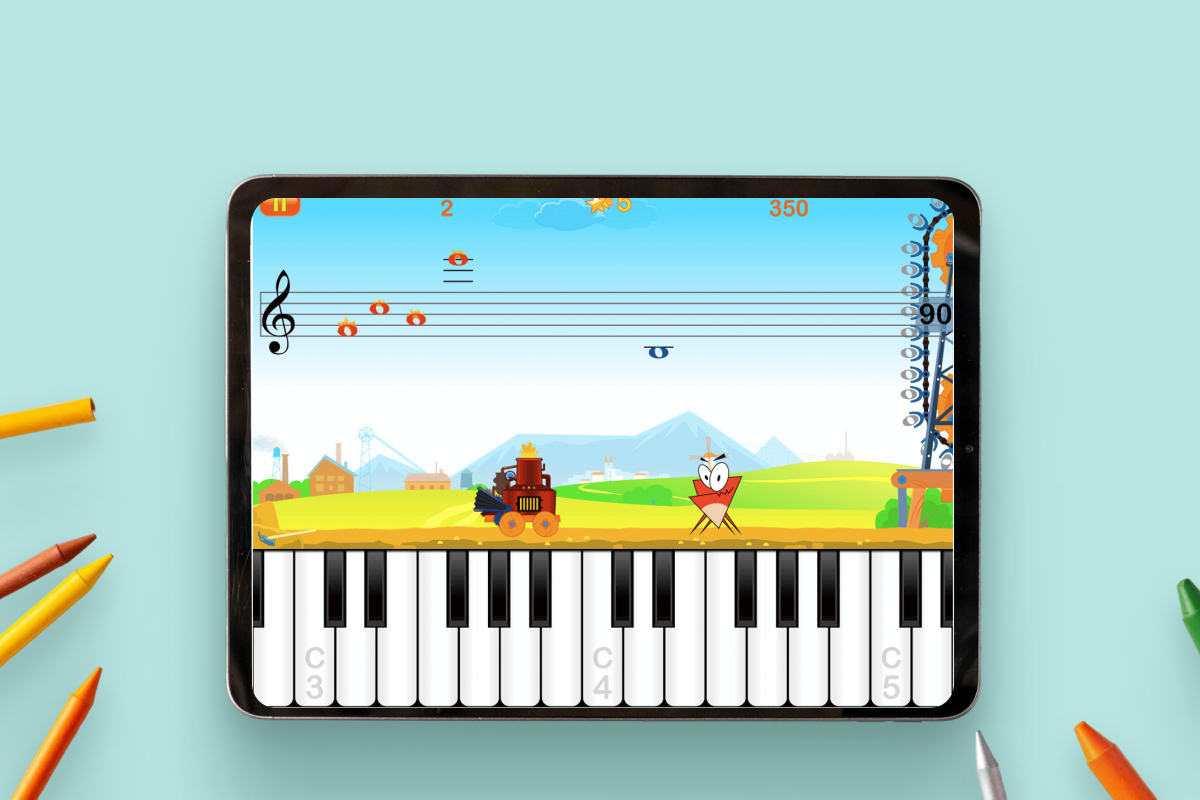
NoteWorks is a musical game designed to teach note recognition and improve sight-reading skills. In the game, Hungry Munchy eagerly attempts to catch elusive blue notes, and the player's goal is to help Munchy catch each note as quickly as possible.
active students using the mobile game monthly
homework assignments completed via the web portal
notes correctly identified by players


Children were struggling to learn music theory in a way that was engaging and adaptable to their skill levels, often losing interest in traditional lessons. The client wanted an interactive solution that could teach note recognition and sight-reading while keeping students motivated, allowing them to learn independently or with a teacher or parent.
The increasing use of iPads and Android tablets in schools created an opportunity to attract children and engage them in music education. To solve this, we developed a cross-platform mobile game for both iOS and Android, ensuring compatibility with the devices children are already using.
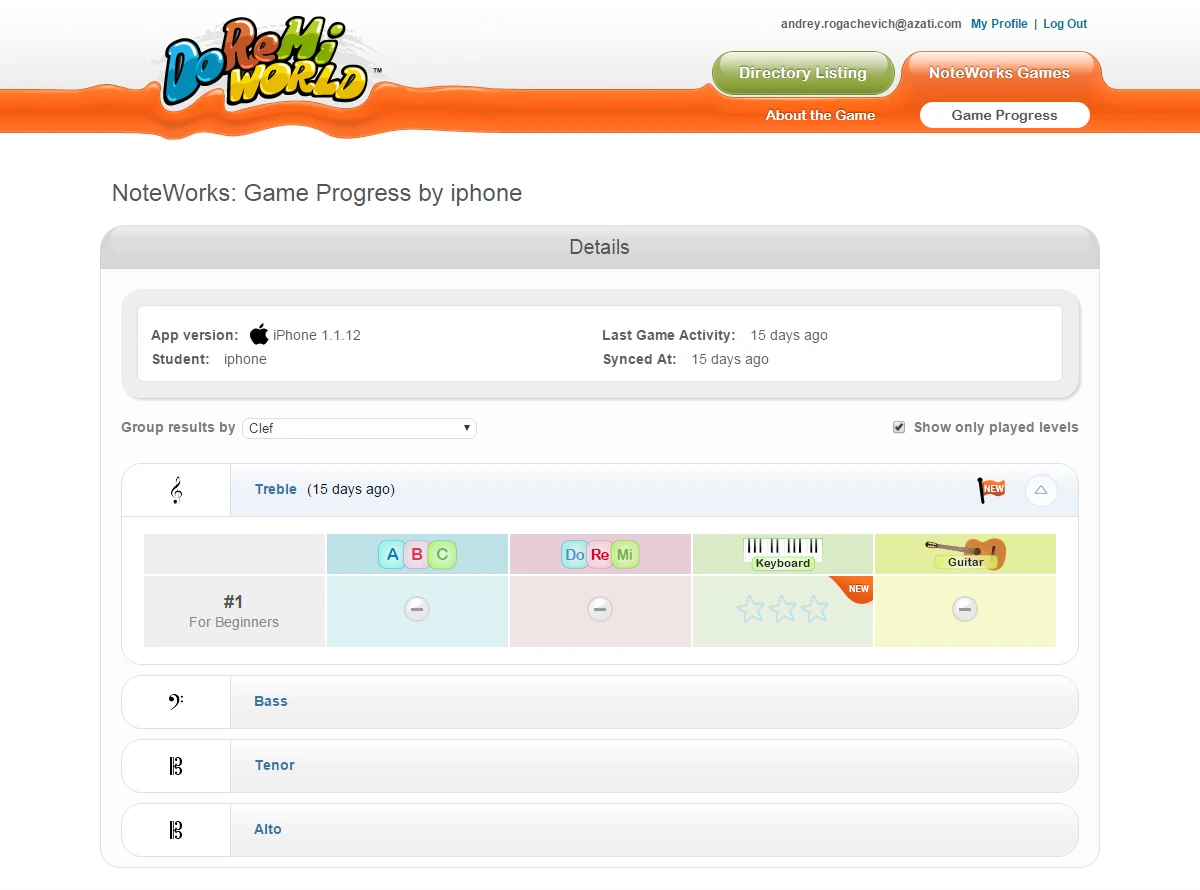
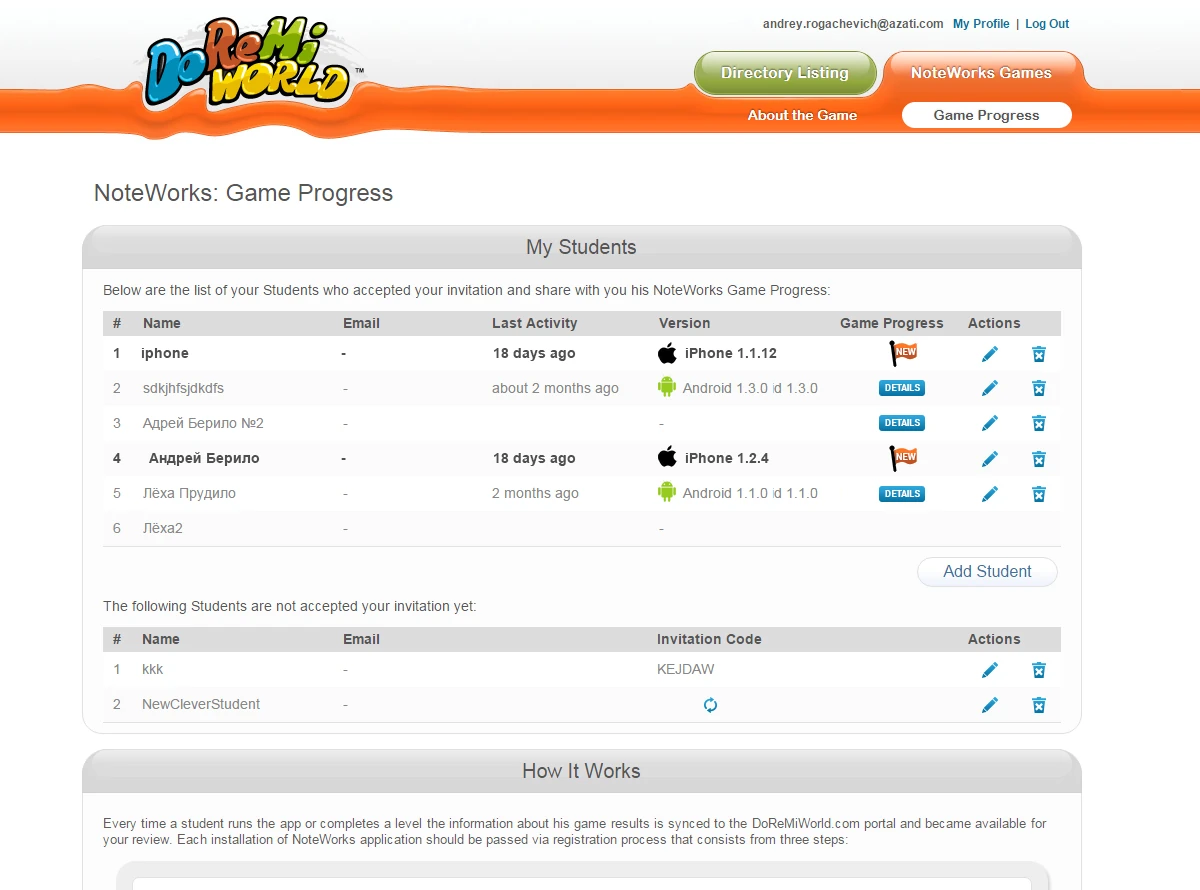
There was a need for an interactive web-based system that would allow parents and teachers to monitor students' progress, assign homework, and manage other educational activities. To address this, we built a web portal connecting students, parents, and teachers, allowing teachers to assign tasks, track progress, and communicate with parents.
Music learners have diverse skill levels and preferences, which made it necessary to create a tool that could adapt to different users. To solve this, we created a flexible mobile game that allows users to adjust difficulty, select instruments, choose clefs, modify speed, and tailor the game to their personal learning preferences.
We conducted comprehensive research with the client to understand the target audience, including children of various ages and skill levels, as well as teachers and parents. Surveys and interviews helped identify learning goals, device preferences (iPads, Android tablets), and engagement strategies to make the learning process effective and fun.
Based on the research, we designed flexible learning paths that adapt to each user’s skill level, preferred instrument, and pace. We ensured that students can gradually progress from basic note recognition to advanced sight-reading exercises, with adjustable difficulty and game settings to maintain motivation.
We developed engaging mini-games, such as guiding Hungry Munchy to catch notes, with instant feedback on accuracy and speed. Gamification techniques like scoring, rewards, and progressive challenges were integrated to maintain high engagement and encourage repeated practice.
To ensure broad accessibility, the mobile game was developed for both iOS and Android platforms. We focused on seamless performance across devices, smooth animations, and optimized responsiveness for touch interactions to provide a consistent and enjoyable experience.
We integrated MIDI interface support and microphone-based acoustic piano note detection, enabling students to practice with real instruments. This allowed real-time feedback, helping learners connect digital exercises with practical music skills and improving retention.
We built a web-based portal to connect students, parents, and teachers. Features include homework assignments, lesson tracking, calendars, multi-language support, and reporting on student progress. This portal allows educators to monitor multiple students, assign tasks, and communicate effectively with parents.
We conducted extensive testing, including functional, usability, and device compatibility testing. Feedback from early users (students, teachers, parents) was incorporated to refine gameplay, improve learning efficacy, and ensure a smooth experience across all supported devices.
The game and portal were deployed to app stores and web servers, with monitoring in place to track usage, engagement, and performance. Continuous updates were planned to introduce new features, optimize performance, and maintain high standards of user engagement and educational effectiveness.
Bring your complexity. We'll bring the plan. Tell us about your project and we'll get back within one business day.
Inquire for more infoThe mobile game allows users to customize their learning path based on instrument, skill level, age, clef, mode, and speed. This ensures that each player receives a personalized learning experience suited to their abilities and goals, keeping them engaged and motivated to progress.
Supports multiple player profiles, allowing families and teachers to manage and track progress for multiple users. Each profile retains personalized settings, achievements, and learning progress, making it easy to monitor and compare development across different learners.
The game provides an interactive, fun environment where users help Hungry Munchy catch notes, reinforcing note recognition and sight-reading skills. Gamified elements, rewards, and progressive challenges ensure continuous engagement and motivation for learners of all ages.
A web portal connects students, teachers, and parents, enabling assignment management, lesson tracking, and progress monitoring. Teachers and parents can guide and support the learner, assign tasks, review results, and customize learning objectives, ensuring a collaborative educational experience.
Increased engagement with younger users, fostering independent learning and improving note recognition skills.
Provided a comprehensive educational resource that connects students, teachers, and parents, enhancing the learning experience.
Offered a fun and efficient way to learn music theory, promoting better home practice routines with engaging gameplay.
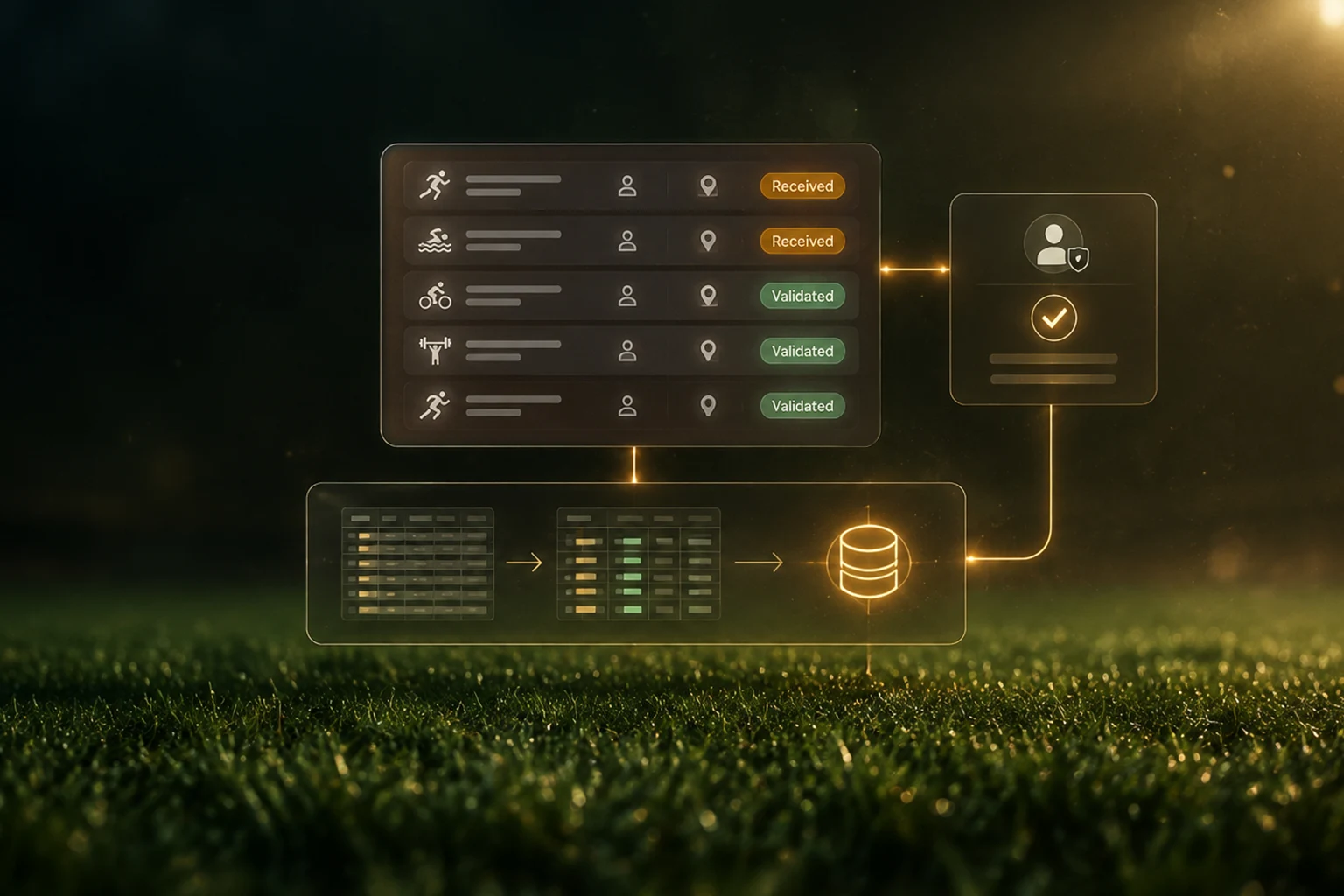
Centralized sports data platform that replaced spreadsheet coordination with controlled validation, transformation, and delivery workflows for event and participant data.

Media data engineering across streaming, broadcast, advertising, and audience analytics: 90 TB data lake, 300+ ETL processes, and a custom DB2 Warehouse migration.

Azati stabilized and refactored a vibe-coded NestJS backend for a consumer mobile app, taking full engineering ownership without a rewrite.

AI-driven platform for centralized ingestion, normalization, and governance of athlete and sports event data, improving accuracy, automation, and operational efficiency at scale.

Comprehensive QA testing for art trading platform supporting NFTs and digital assets.
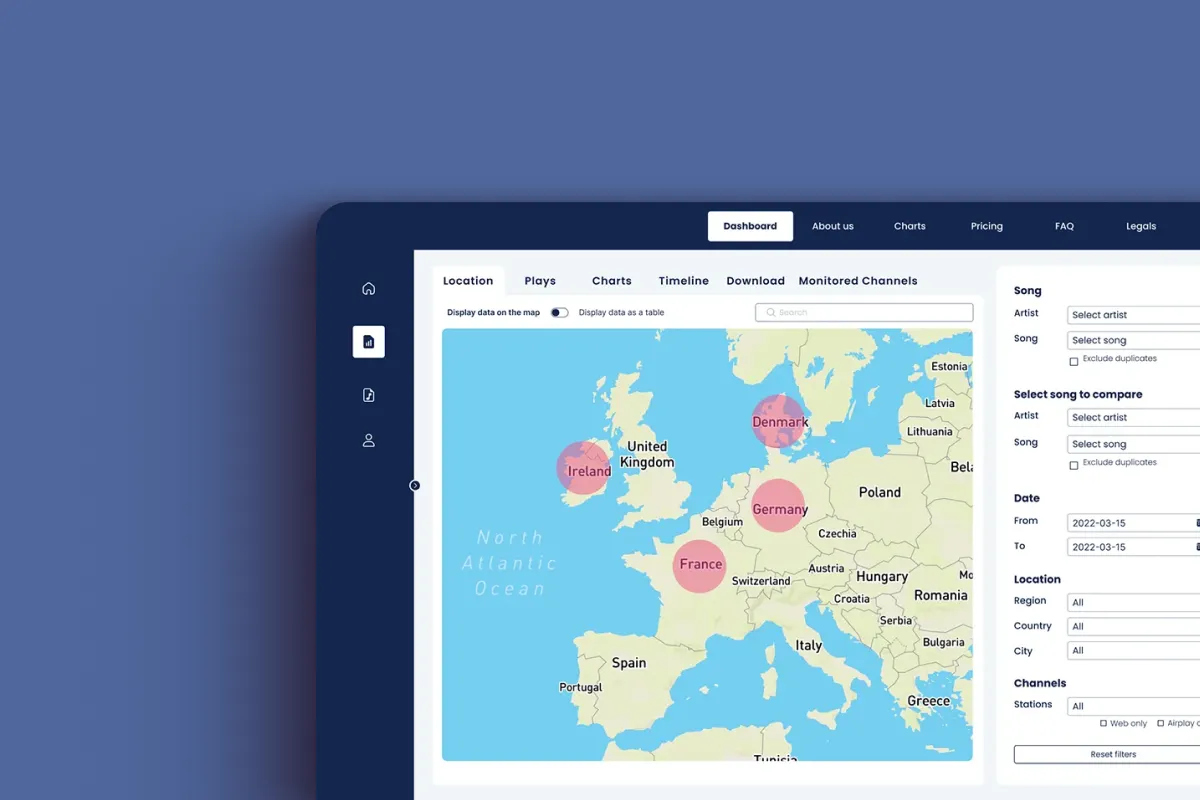
Modernized UX/UI redesign for global radio song tracking platform.
Last updated
