Significant Performance Boost
Extract process runtime reduced from 3 hours to just 10-15 minutes, accelerating financial reporting and operational workflows.
Optimization of the client’s general ledger extract process, which works with large datasets from different sources.
reduction in extraction runtime
decrease in direct path read events
increase in extraction throughput


The customer, a US leader in patient safety, healthcare insurance, claims, and risk solutions, faced severe performance issues when extracting large volumes of financial data from their general ledger. Inefficient SQL execution, invalid system statistics, and overloaded memory caused extract jobs to run for hours, slowing analytics, reporting, and operational workflows. The objective was to identify the root causes, improve query efficiency, optimize system statistics, and reduce extraction time to support timely decision-making and high system availability.
Large datasets triggered memory overload, inefficient execution paths, and slow-running queries. As data volume grew, extraction times increased dramatically, impacting downstream analytics and general ledger reconciliation.
System statistics did not reflect actual performance conditions, causing the optimizer to choose suboptimal execution plans and perform unnecessary full table scans instead of using available indexes.
Due to outdated statistics and poor query structure, indexes were not used effectively. This resulted in long-running operations, excessive I/O, and increased CPU consumption during extraction.
The database served both transactional (OLTP) and batch (DSS) processing, requiring a flexible statistics collection strategy to maintain optimal performance under varying load patterns.
Used SQL Trace and Oracle performance monitoring tools to identify inefficient execution paths and slow operations.
Detected that a class of queries consistently triggered full table scans due to invalid or non-representative system statistics.
Gathered and validated new system statistics, ensuring they accurately represented real workload behavior.
Balanced statistics collection across OLTP and DSS workloads to avoid skewing performance in either processing type.
Collected daytime, nighttime, and 24-hour statistics to capture full system behavior under varying load.
Analyzed gathered statistics and published updated values to improve query execution plans and eliminate bottlenecks.
Bring your complexity. We'll bring the plan. Tell us about your project and we'll get back within one business day.
Inquire for more infoA monitoring framework used to detect inefficient query patterns, identify full table scans, and capture performance bottlenecks through SQL Trace analysis.
A systematic analysis module designed to uncover issues caused by invalid system statistics and poor query design, enabling the team to isolate the key factors slowing down the extract process.
A structured process for gathering, validating, and publishing accurate system statistics to ensure the optimizer generates efficient execution plans.
A set of optimization enhancements applied to SQL queries and system parameters to reduce extract runtime and eliminate system bottlenecks.
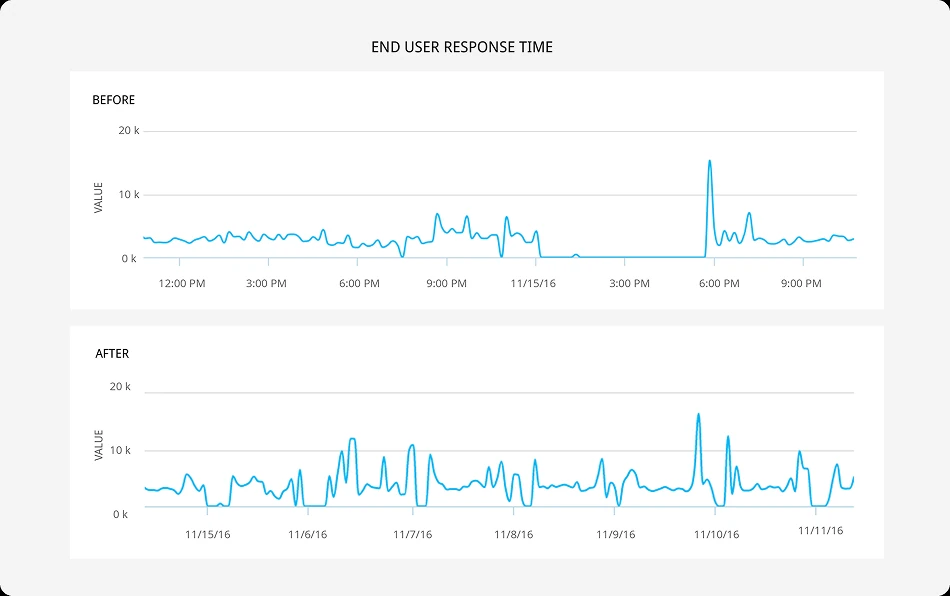
Extract process runtime reduced from 3 hours to just 10-15 minutes, accelerating financial reporting and operational workflows.
Total direct path read events decreased by 50%, lowering system stress and improving stability.
Optimized statistics and query execution increased throughput and reduced resource usage across the system.

Five AI agents delivered into a 12,000-person insurer's Azure DevOps pipeline: PR review, unit test gen, spec validation, and deployment assistance, all on-premise.
Legacy PHP modernization for a mission-critical insurance accounting app with upgrade without rewrite and infrastructure support.
Managed AI solution that automates invoice and document processing with seamless ERP integration and built-in compliance.

Online application forms automating insurance quote and decision processes.

Automated tool generating personalized insurance promotional materials.
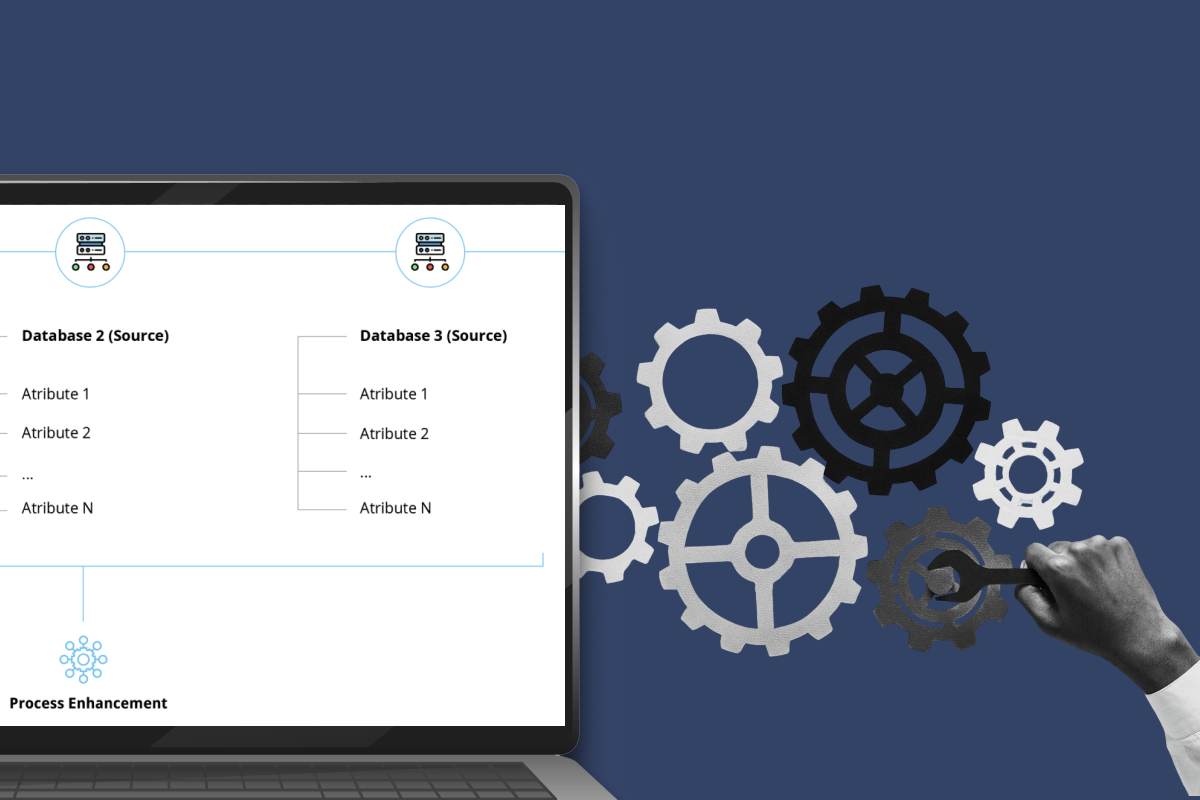
Enhanced ETL process eliminating data inconsistencies for healthcare customer.
Last updated
